
Highly adaptable, these fish can manipulate their pigmentation to reflect or dim light and camouflage themselves depending on their environment.
Read More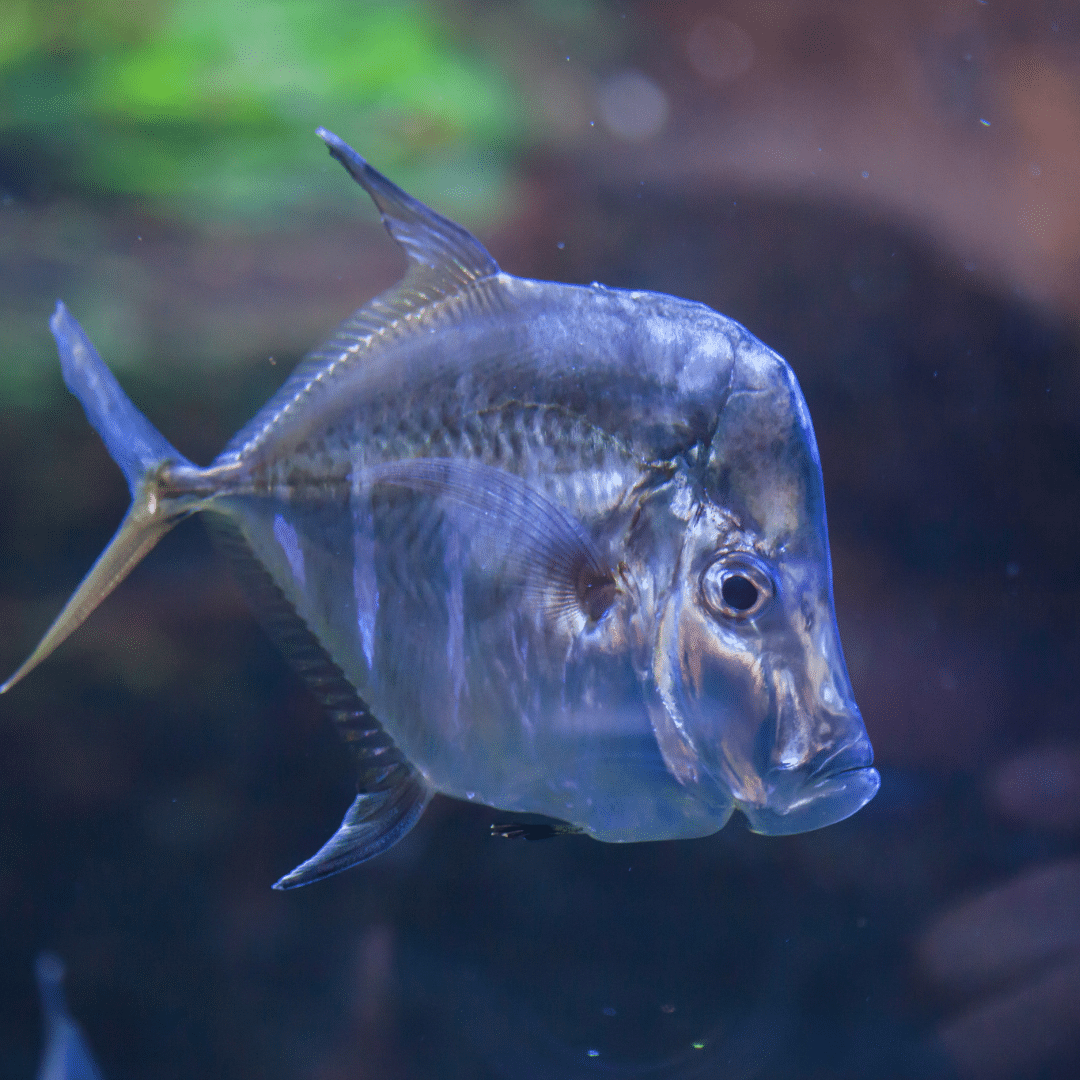
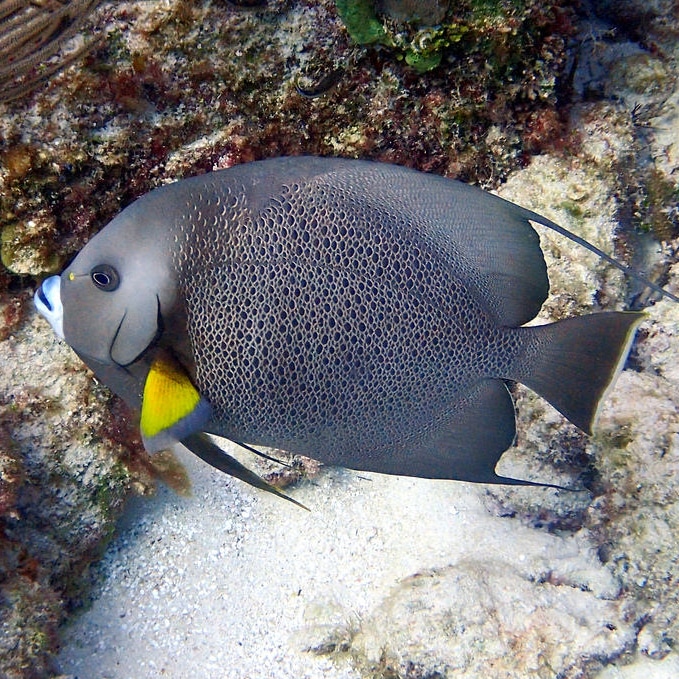
This large angelfish, also known as the black angelfish, is commonly found in shallow warm waters of the Caribbean, especially in coral reefs. It feeds mainly on sponges.
Read More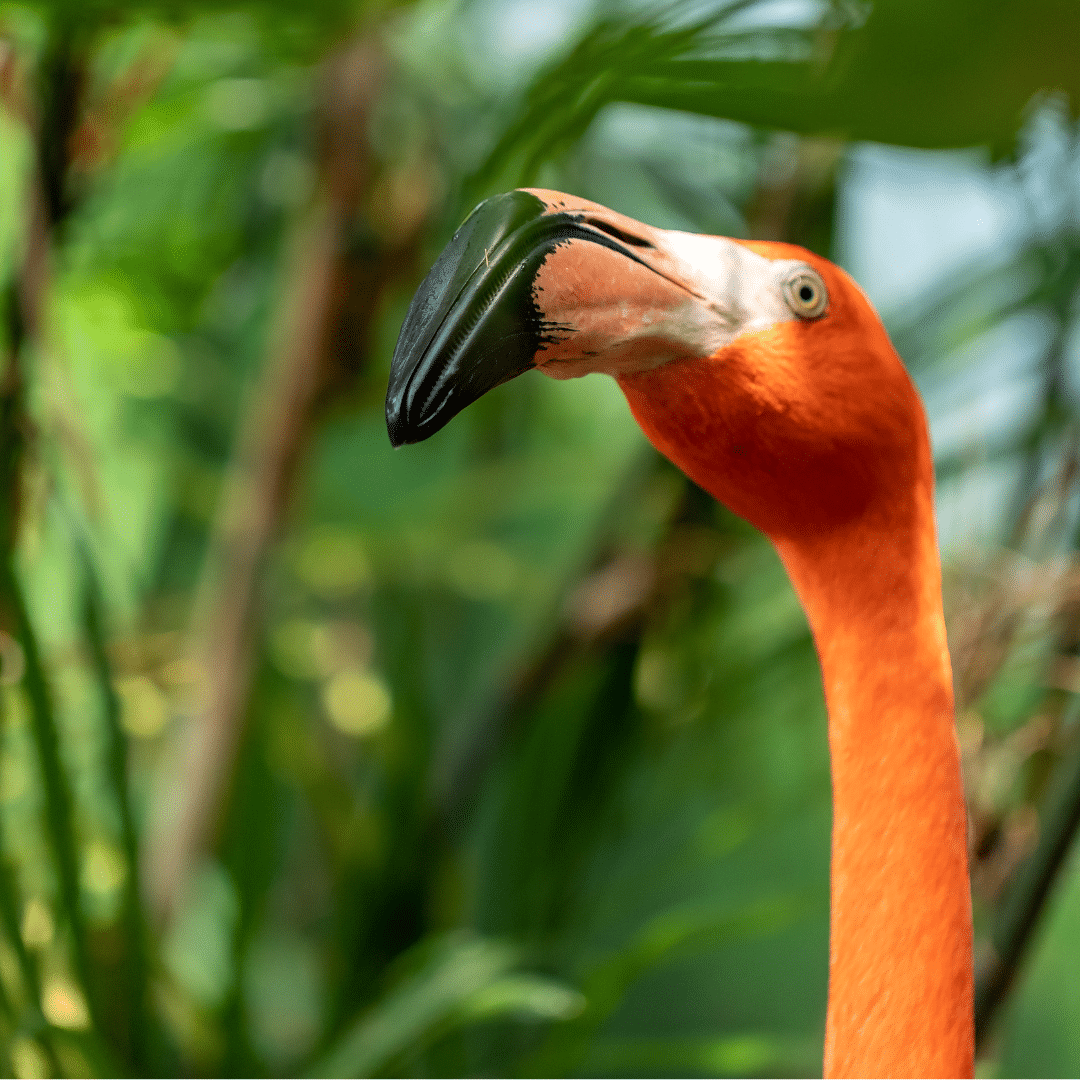
These birds get their vivid pink color from eating crustaceans. Their long necks and legs are made for wading shallow waters in search of food.
Read More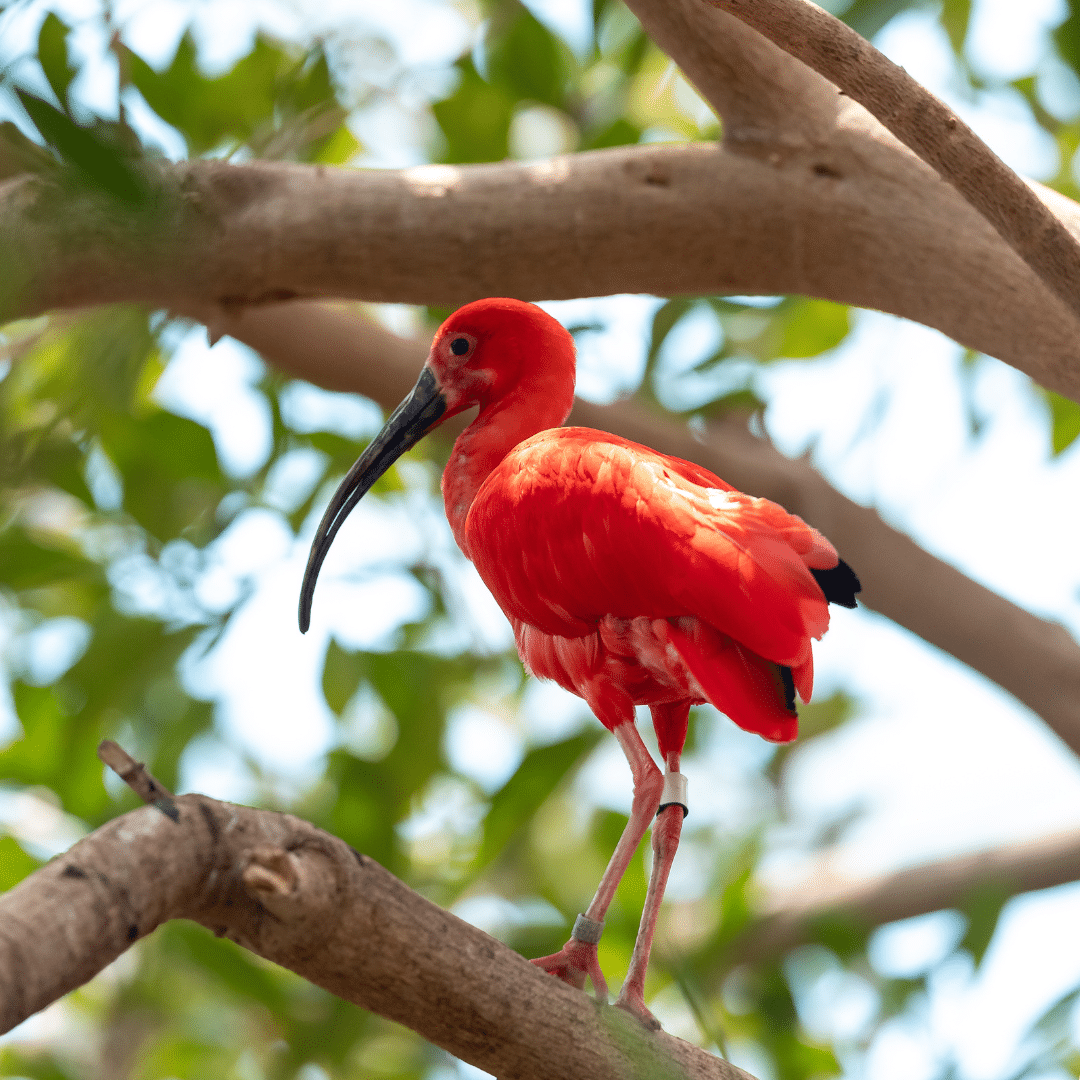
This red bird used its curved, slender bill to forage for food in shallow water. The bird’s bright colors come from the crustaceans in its food.
Read More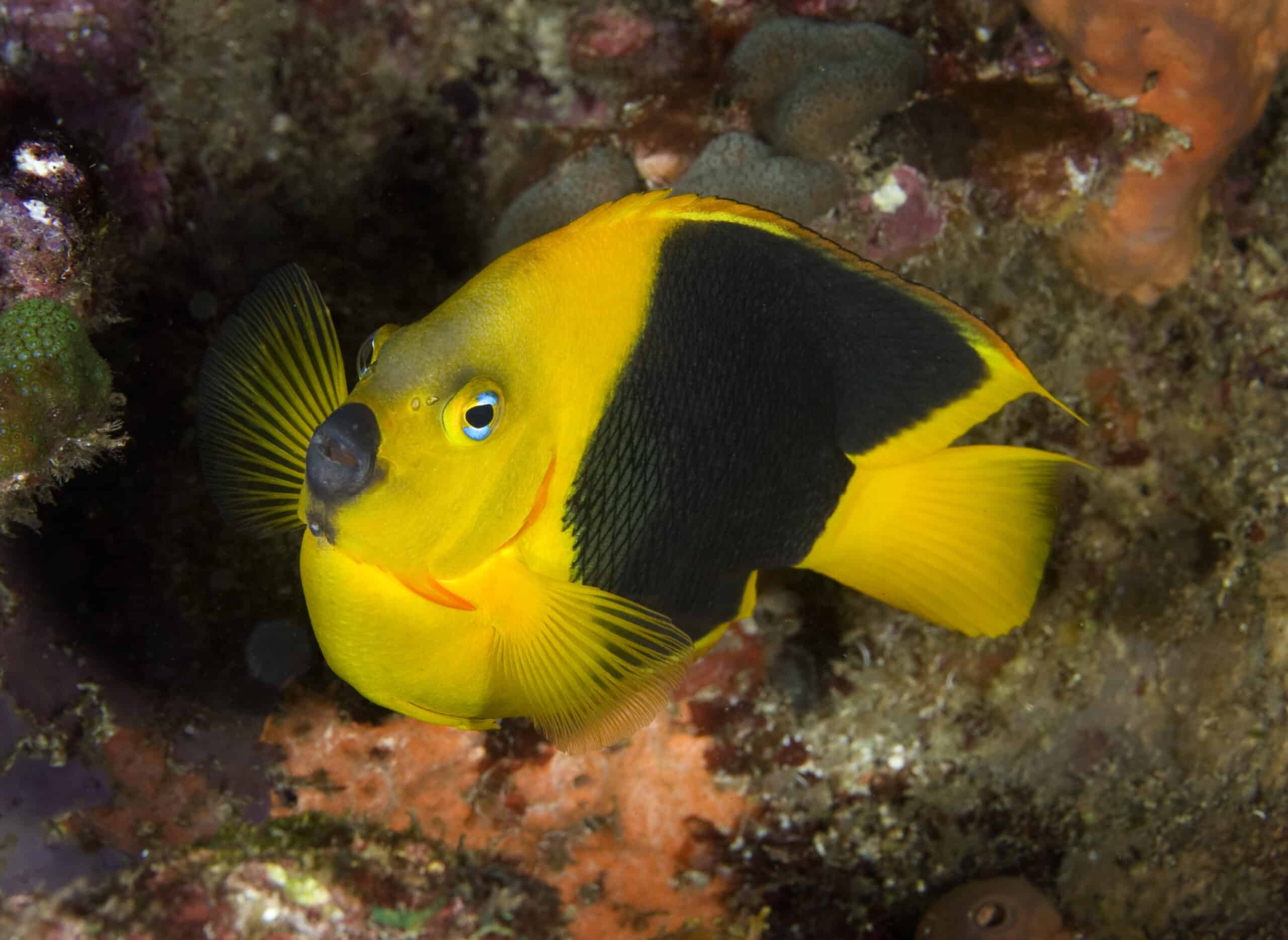
The rock beauty’s appearance allows it to blend with the rocks and rubble of the coral reefs where they live. Young specimens are always female and can change into males when older.
Read More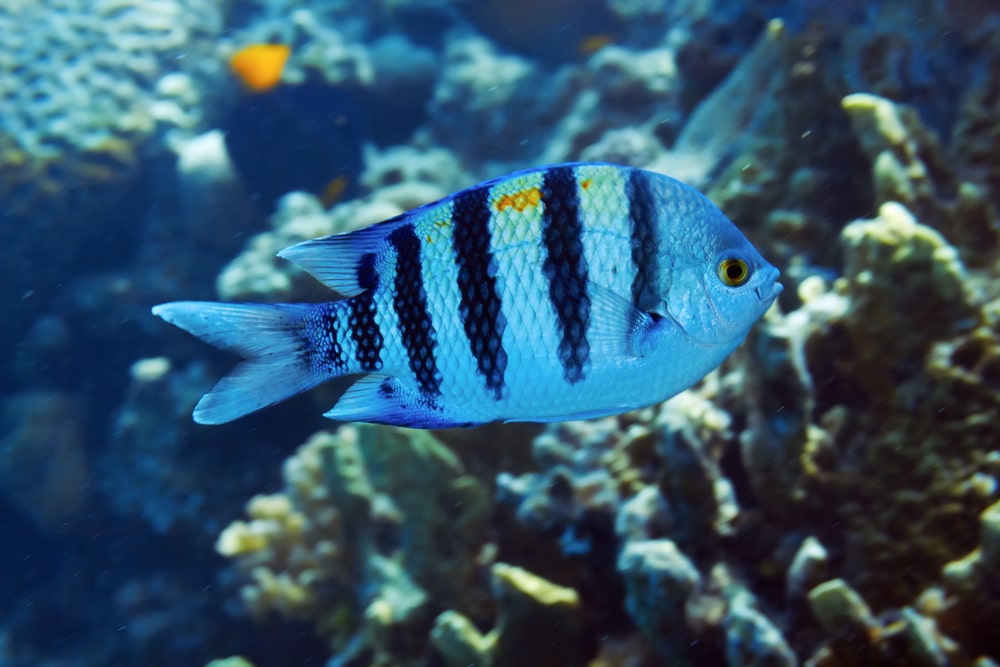
This species gets it name from the five black bars along its side, which resemble the insignia of the sergeant major military rank. Adult males can change color to a blueish hue while guarding their nesting sites.
Read More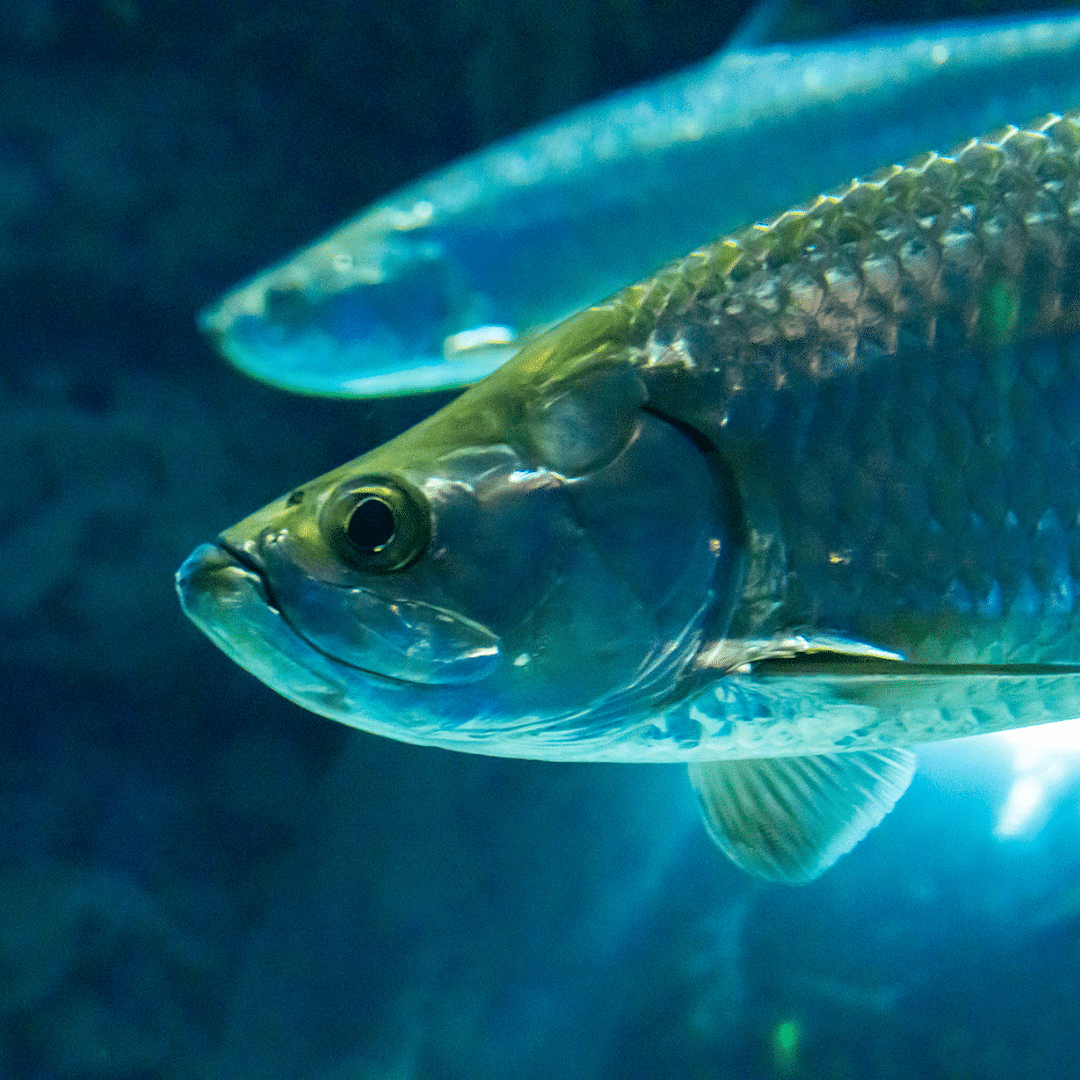
This large fish, nicknamed the silver king, is a voracious predator, feeding on small fish and crustaceans.
Read More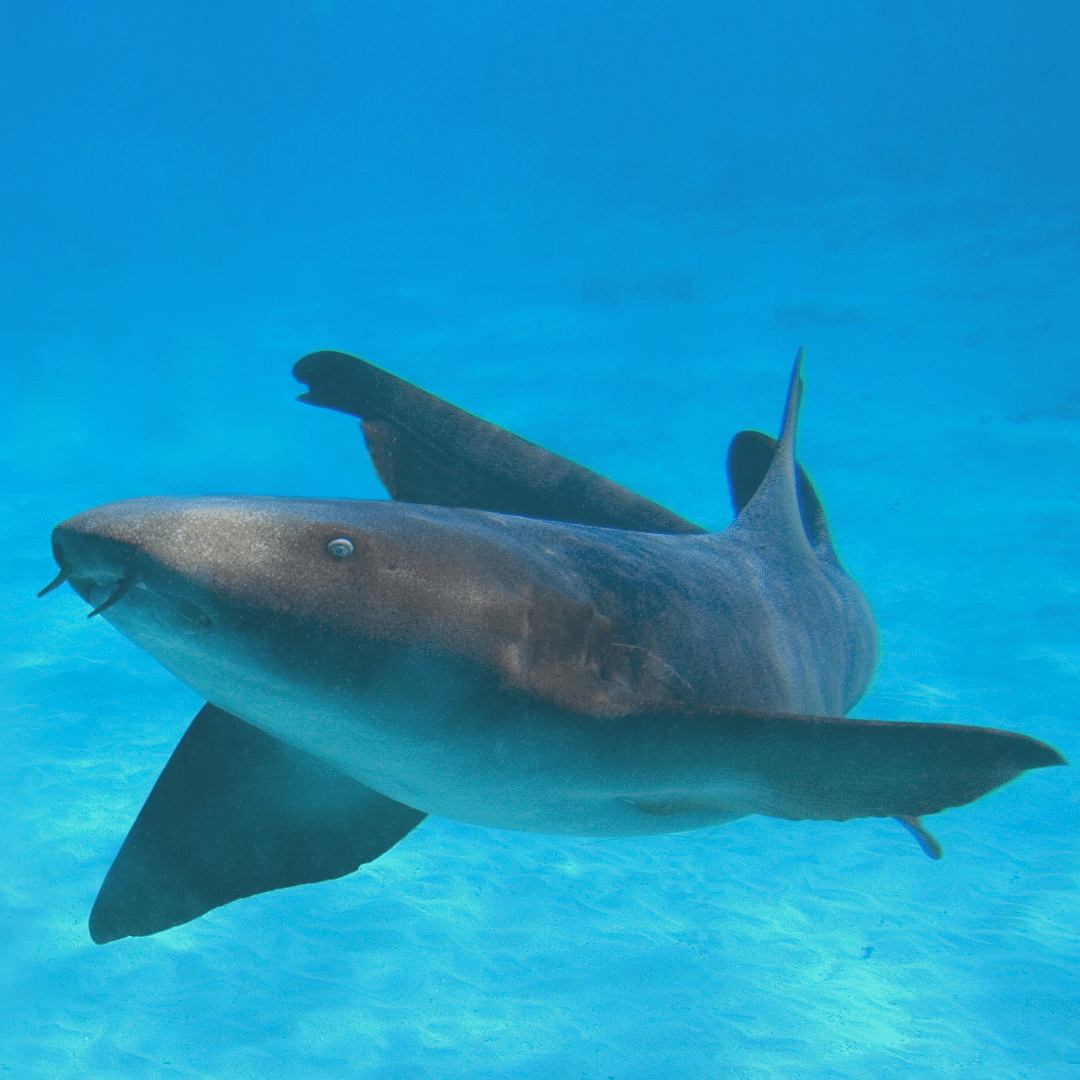
Nurse sharks are slow-moving bottom-dwellers. They get their name from their ability to suck prey out of crevices and shells with their mouth.
Read More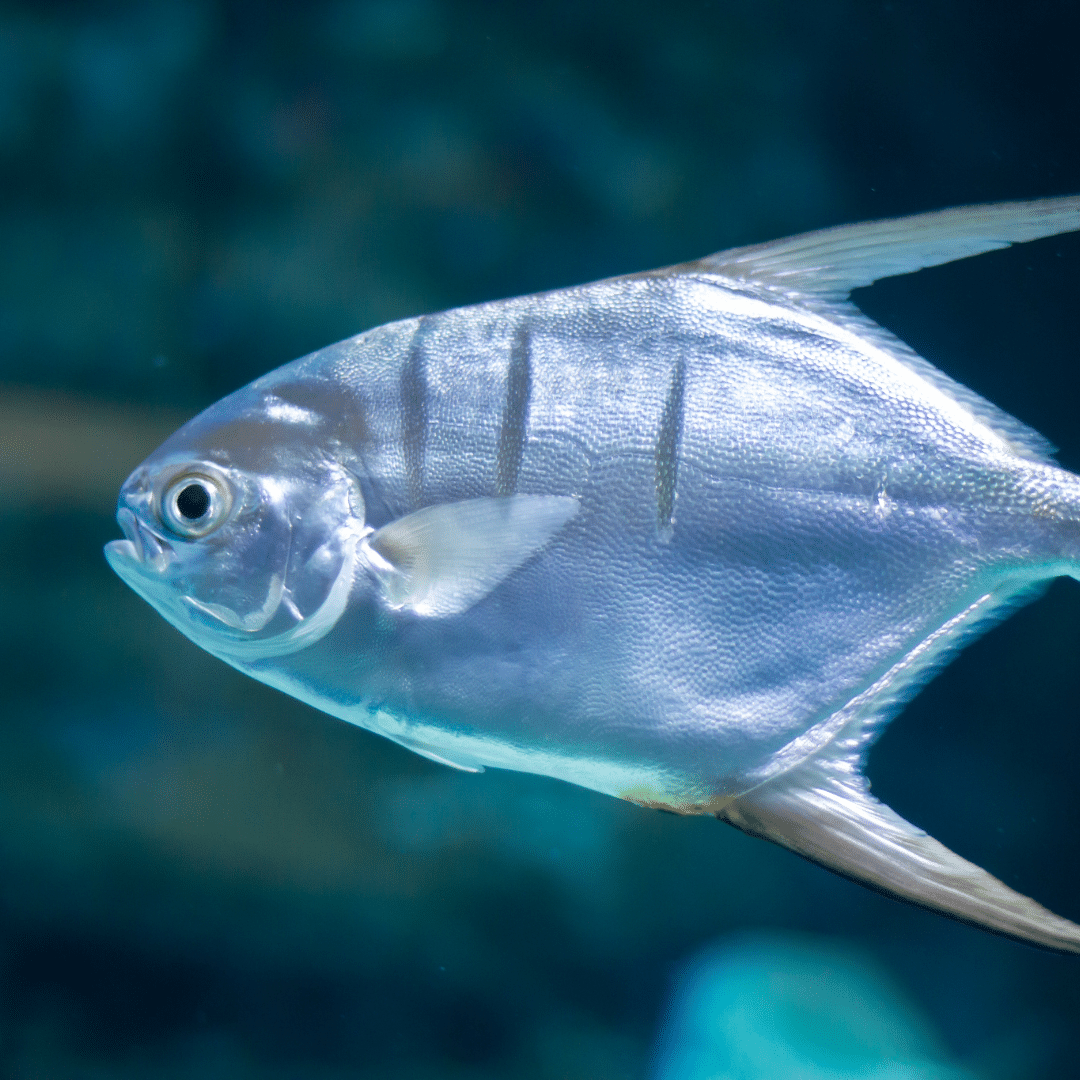
Palometas are recognizable by their deep bodies, marked with four narrow bars on the sides, along with traces of a fifth fin nearer the tail.
Read More
The bottlenose’s torpedo-like body and powerful tails allow them to speed through the water at more than 20 miles per hour.
Read MoreRecent Posts
- Oceans and Wildlife Institute Announces Promotion for Executive Vice President and Chief External Affairs OfficerSeptember 16, 2026
 Why the Texas State Aquarium Is Perfect for a Hot Summer DayJuly 20, 2026
 What’s New at the Texas State Aquarium This Summer: Events, Exhibits & Family FunJune 18, 2026


