
Also known as the Texas cichlid, this freshwater species is the only cichlid native to the United States. It can grow over 33 centimeters in length, and males can develop a nuchal hump on their head.
Read More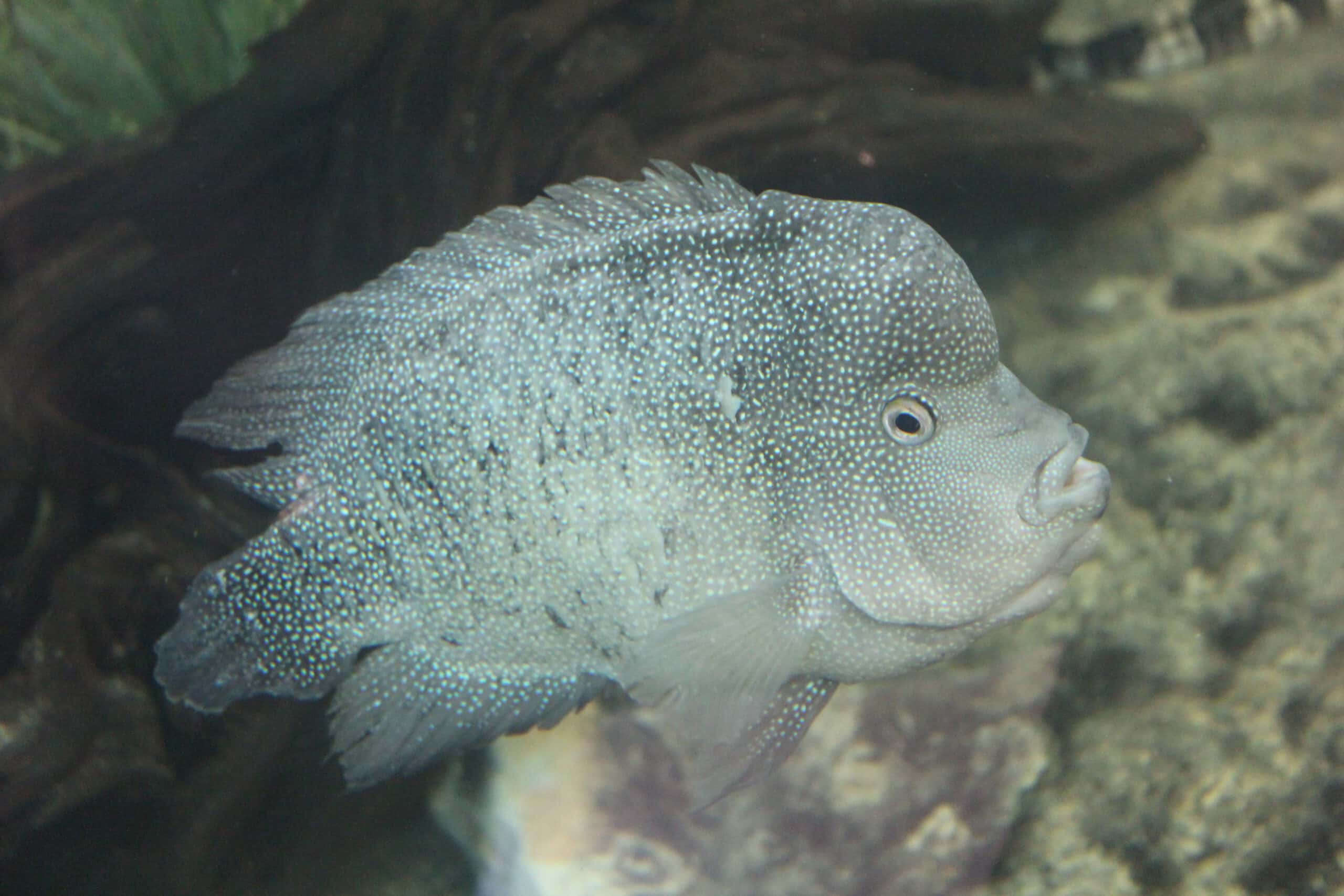
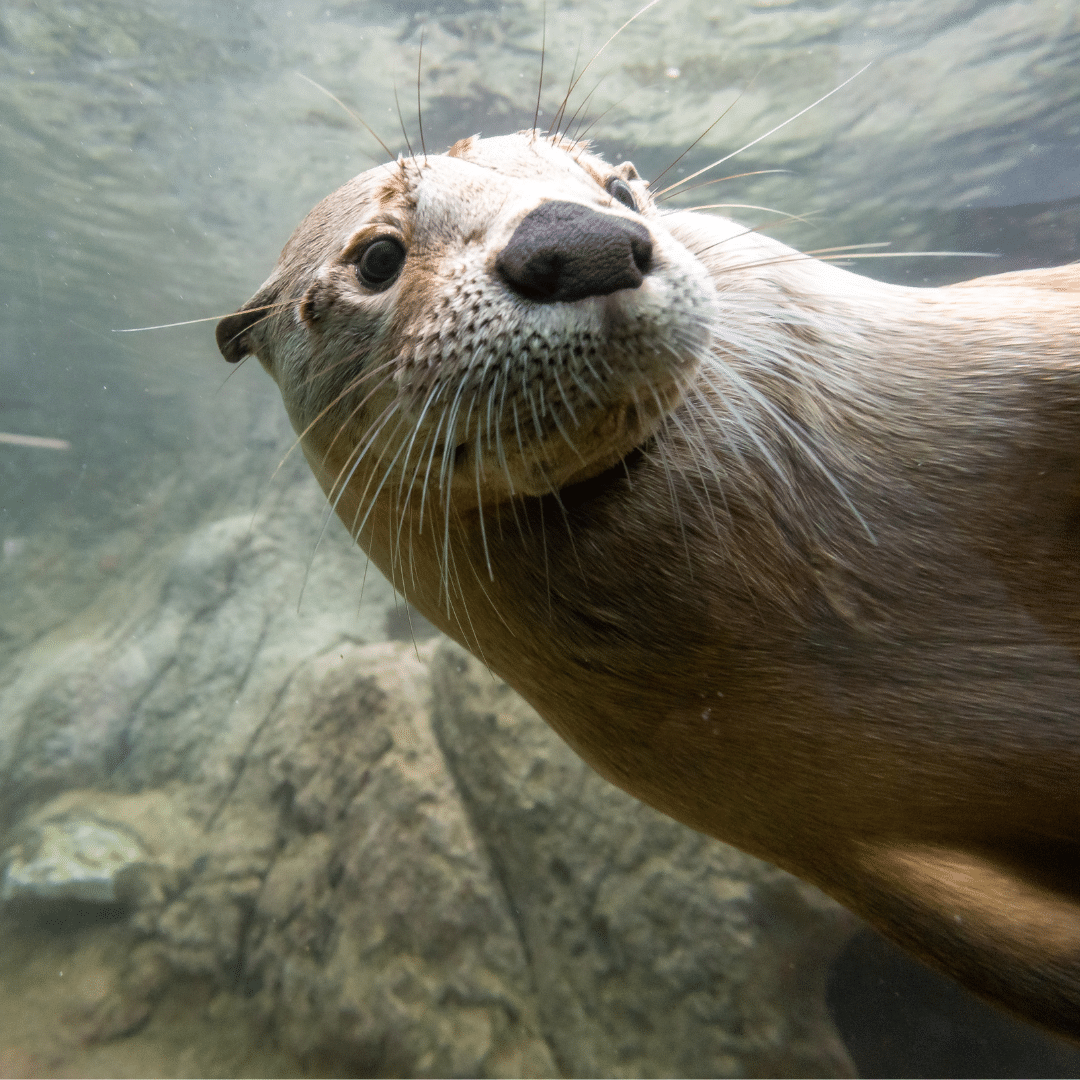
These highly-intelligent mammals live around rivers, canals, lakes, marshes, and bays, where they build their lives around water.
Read More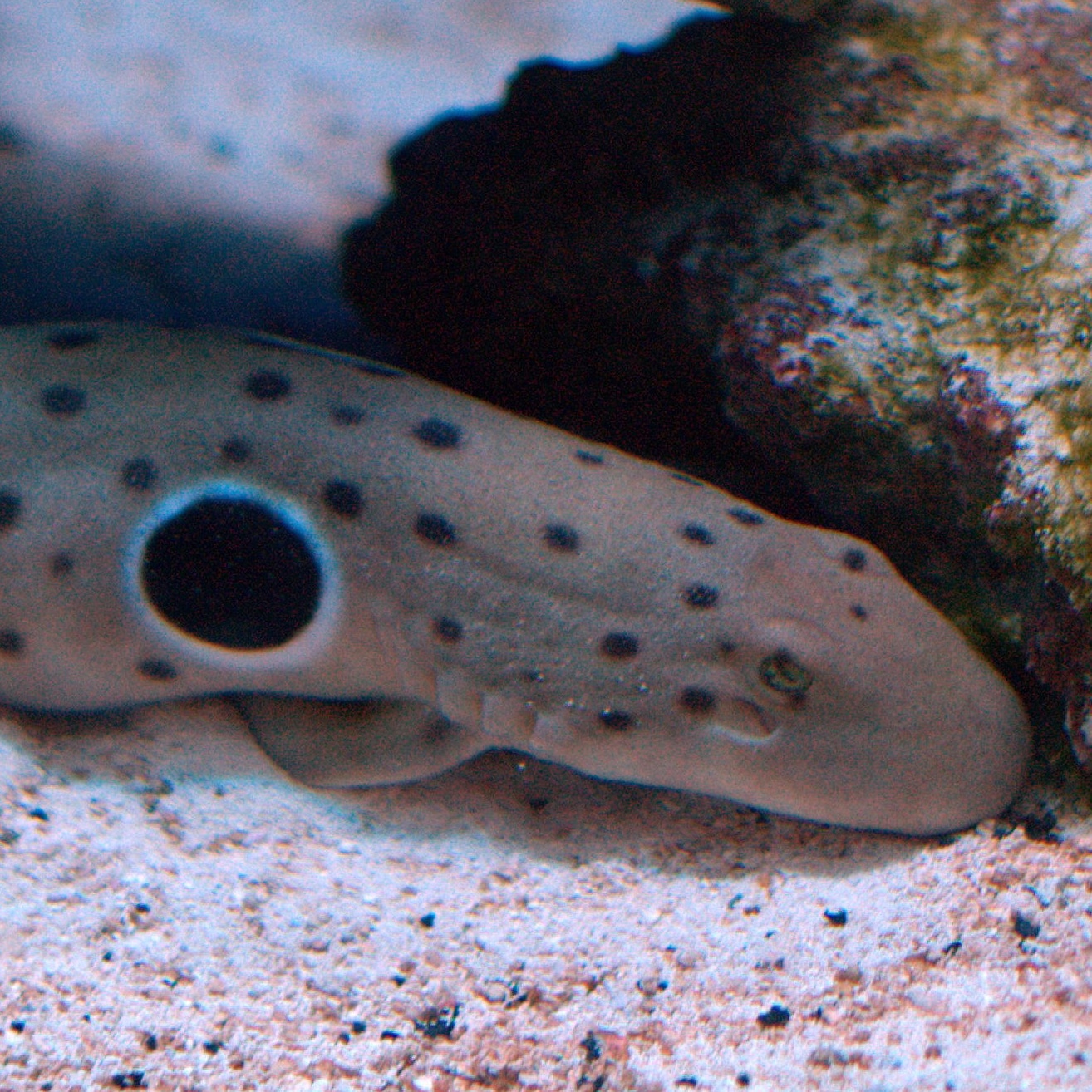
This shark gets its name from the white-lined black spots behind its pectoral fins, which resemble military epaulettes.
Read More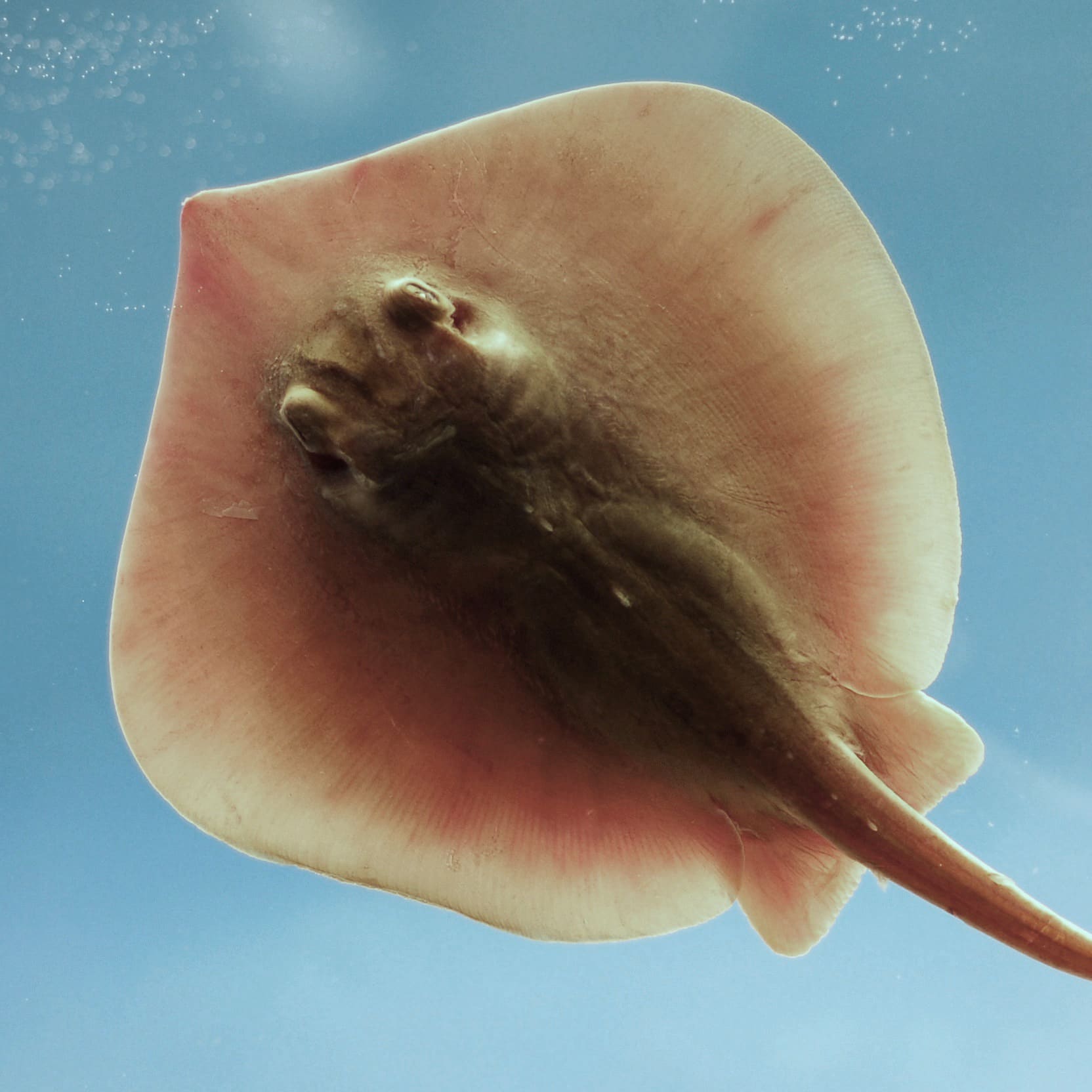
This species can be distinguished from the southern stingray by its elongated snout. True to its name, it is found in the western Atlantic Ocean.
Read More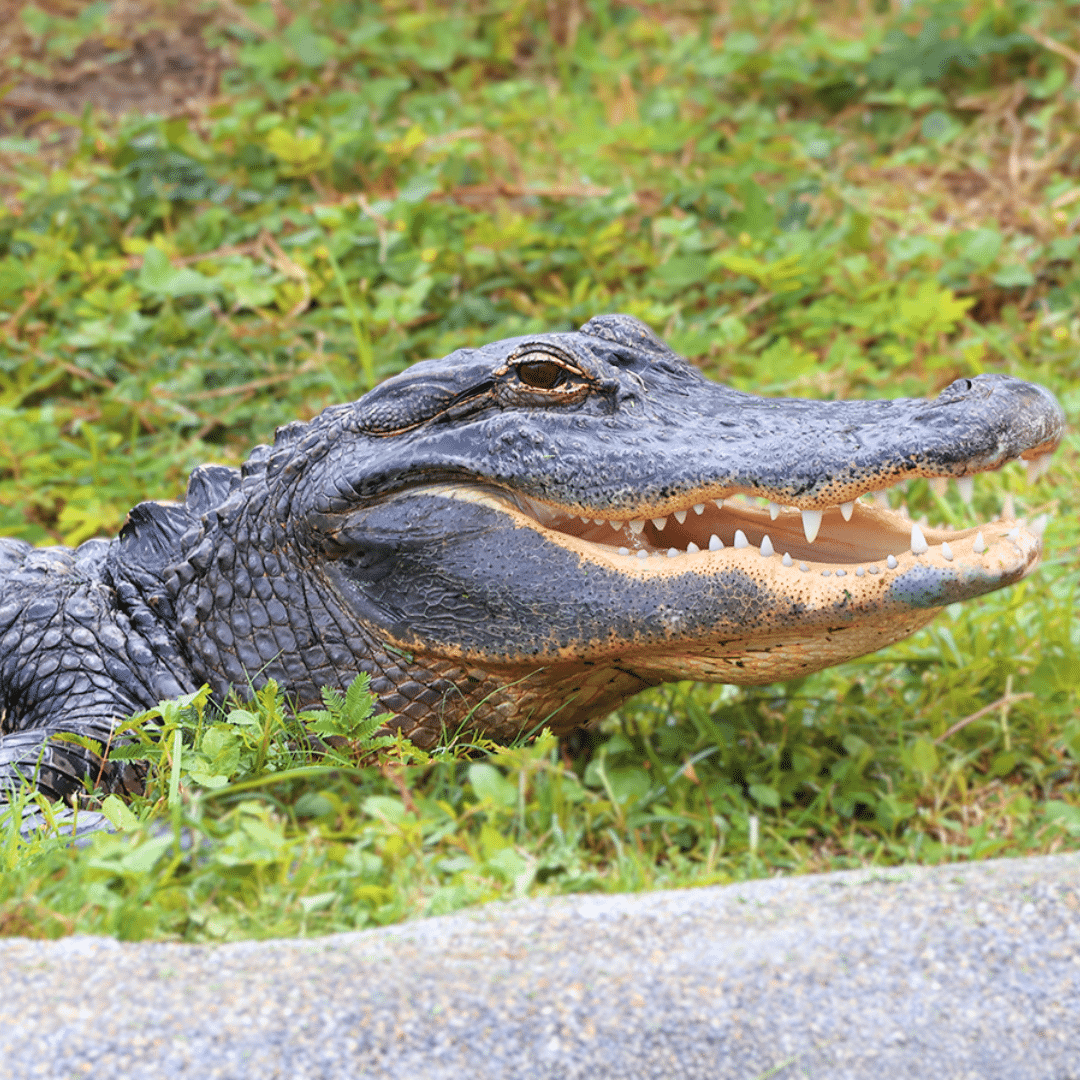
Alligators are apex predators in the swamp, feeding on fish, amphibians, reptiles, and just about anything else they can get their jaws around.
Read More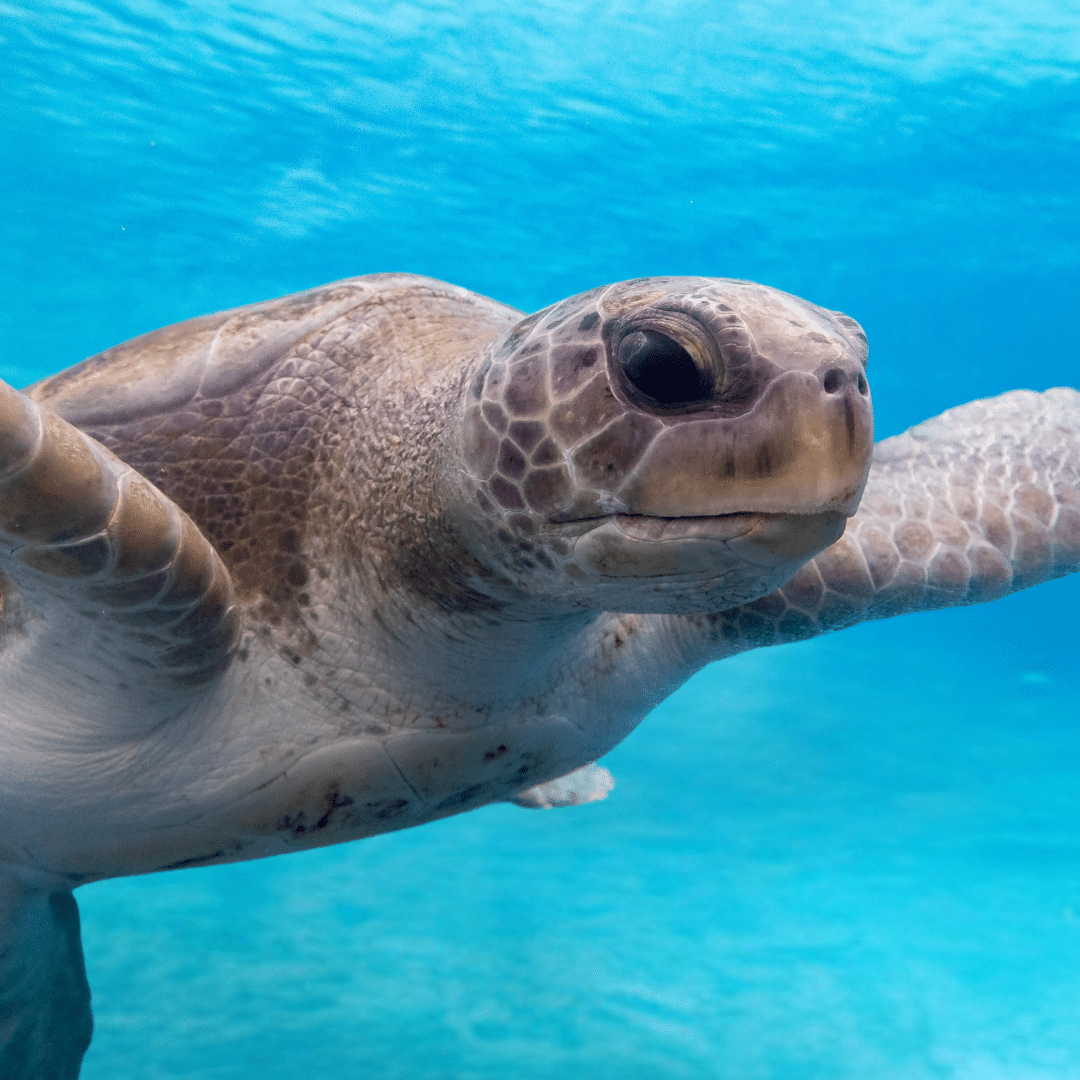
The green sea turtle gets its name from the greenish hue of its skin. The green sea turtles in Tortuga Cay are Squirt, Crush, and Pickles.
Read More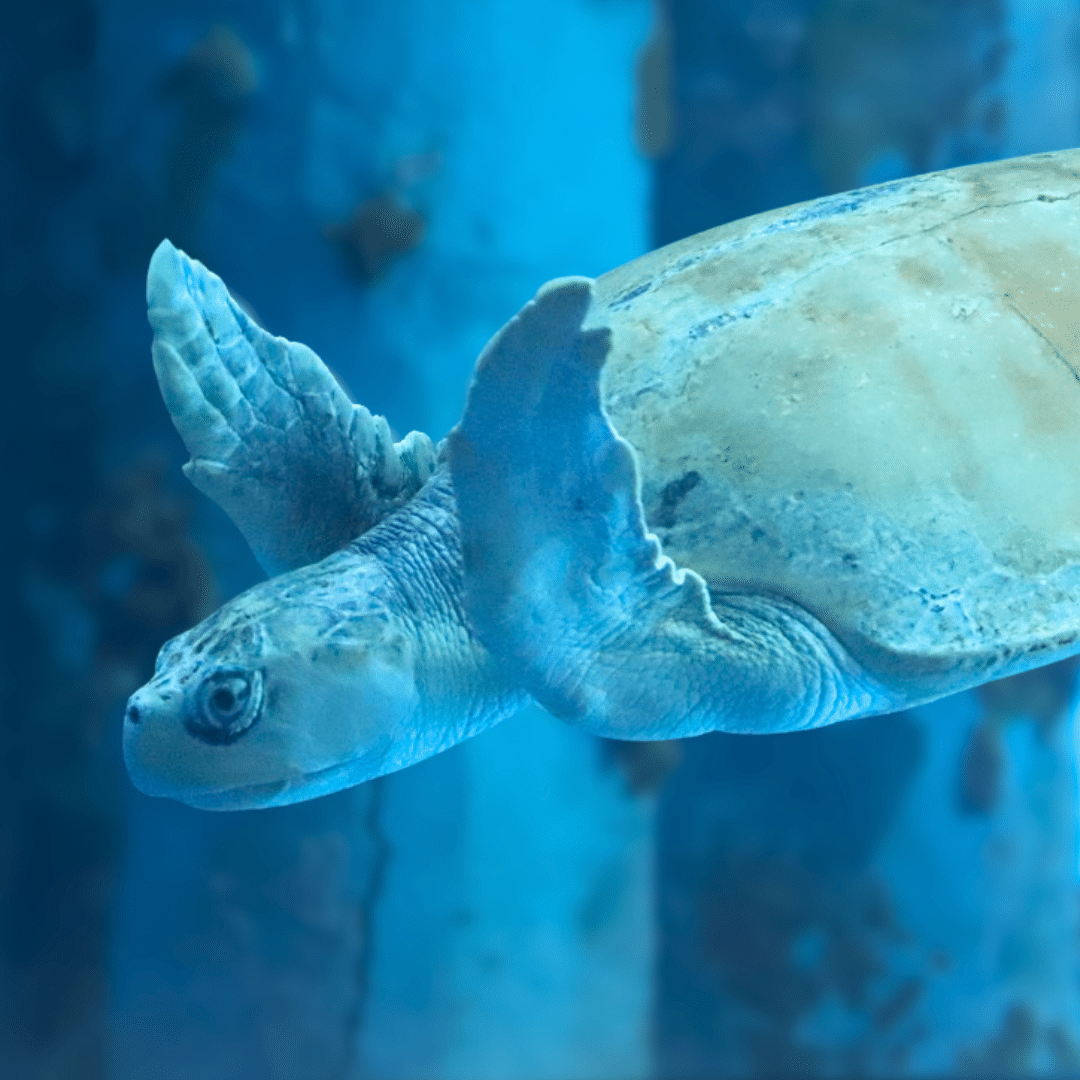
The Kemp’s Ridley is the smallest sea turtle species and the most endangered, with a female nesting population of around 1,000.
Read More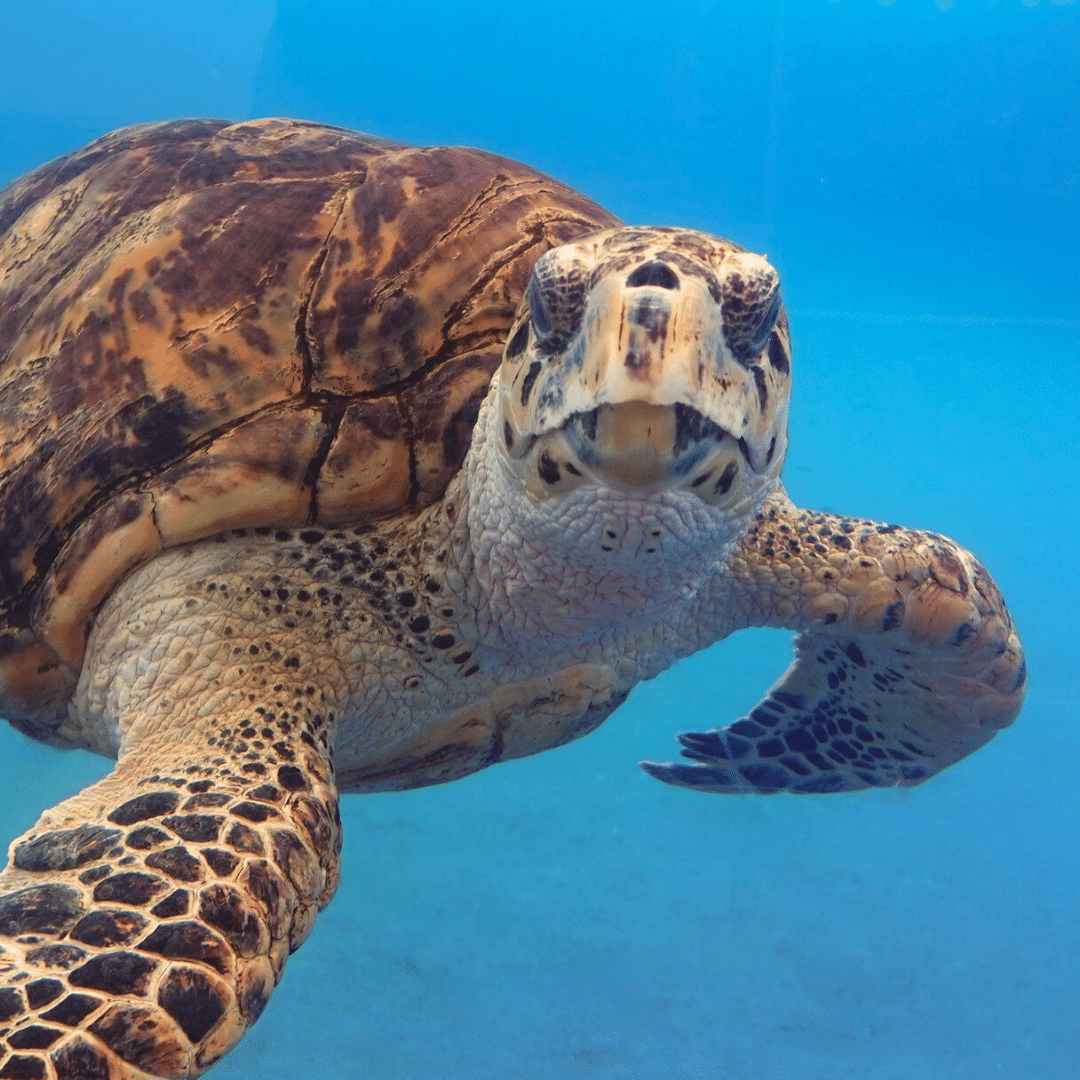
These turtles look similar to green sea turtles, but have a parrot-like beak and a rough saw-like lining around their shell.
Read More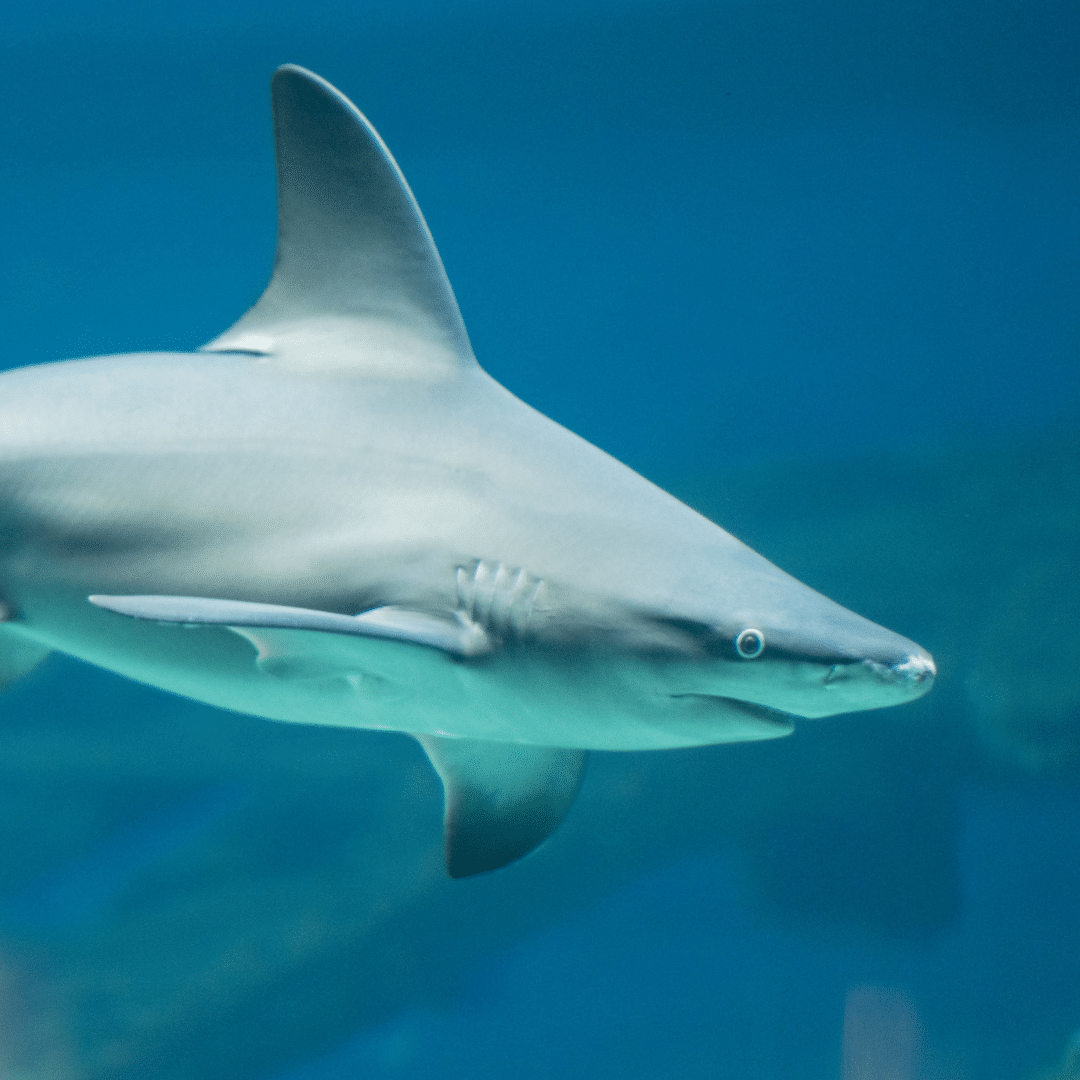
Also known as the brown shark, this shark gets its name from its preferred hunting ground of sandy shallow coastal waters.
Read More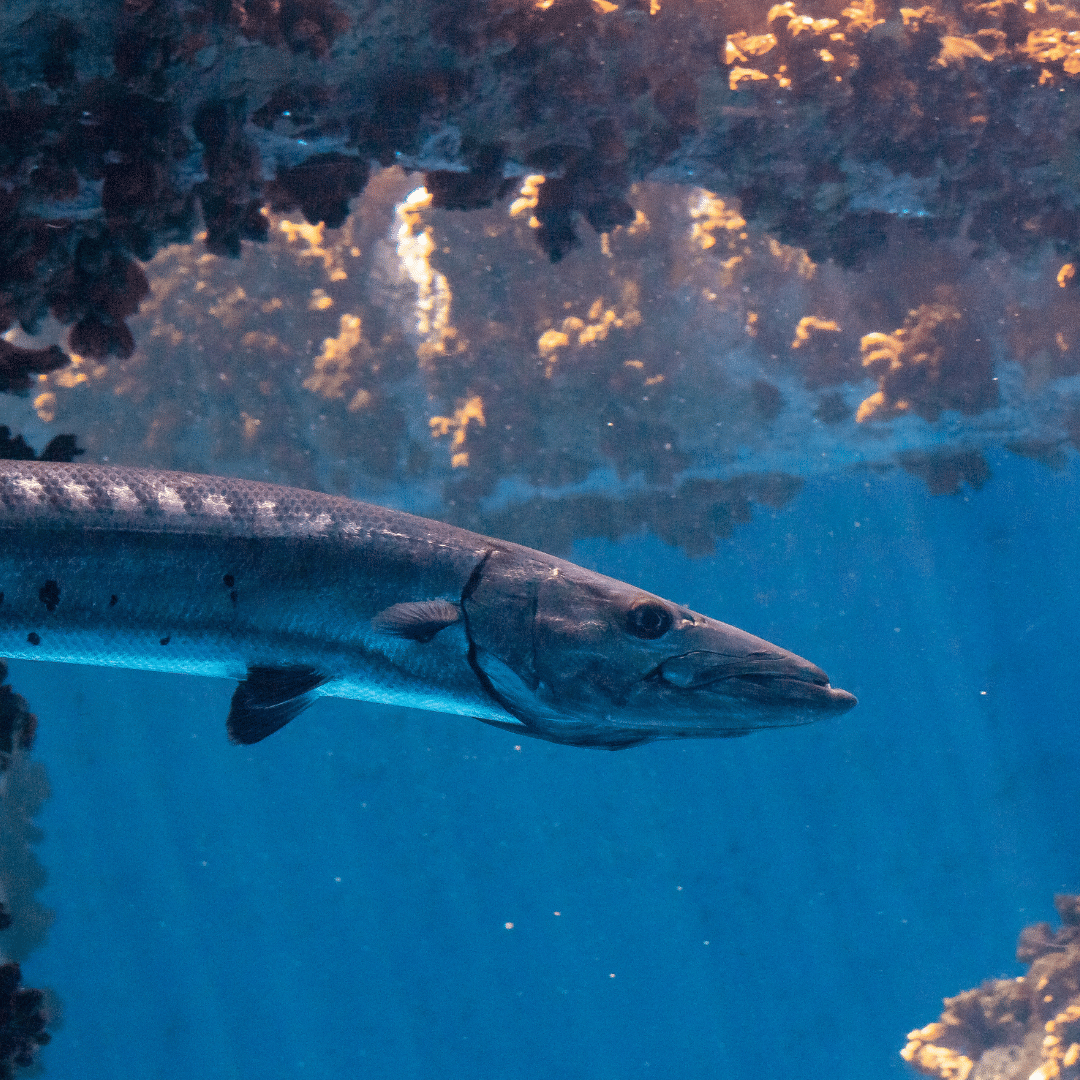
This blue-silvery fish is armed with powerful jaws and fang-like teeth, using surprise attacks to overrun its prey.
Read MoreRecent Posts
- Oceans and Wildlife Institute Announces Promotion for Executive Vice President and Chief External Affairs OfficerSeptember 16, 2026
 Why the Texas State Aquarium Is Perfect for a Hot Summer DayJuly 20, 2026
 What’s New at the Texas State Aquarium This Summer: Events, Exhibits & Family FunJune 18, 2026


