
Named for its red color and its sharp, needle-like teeth, the snapper prefers the bottom of the ocean and can inhabit waters as deep as 300 feet.
Read More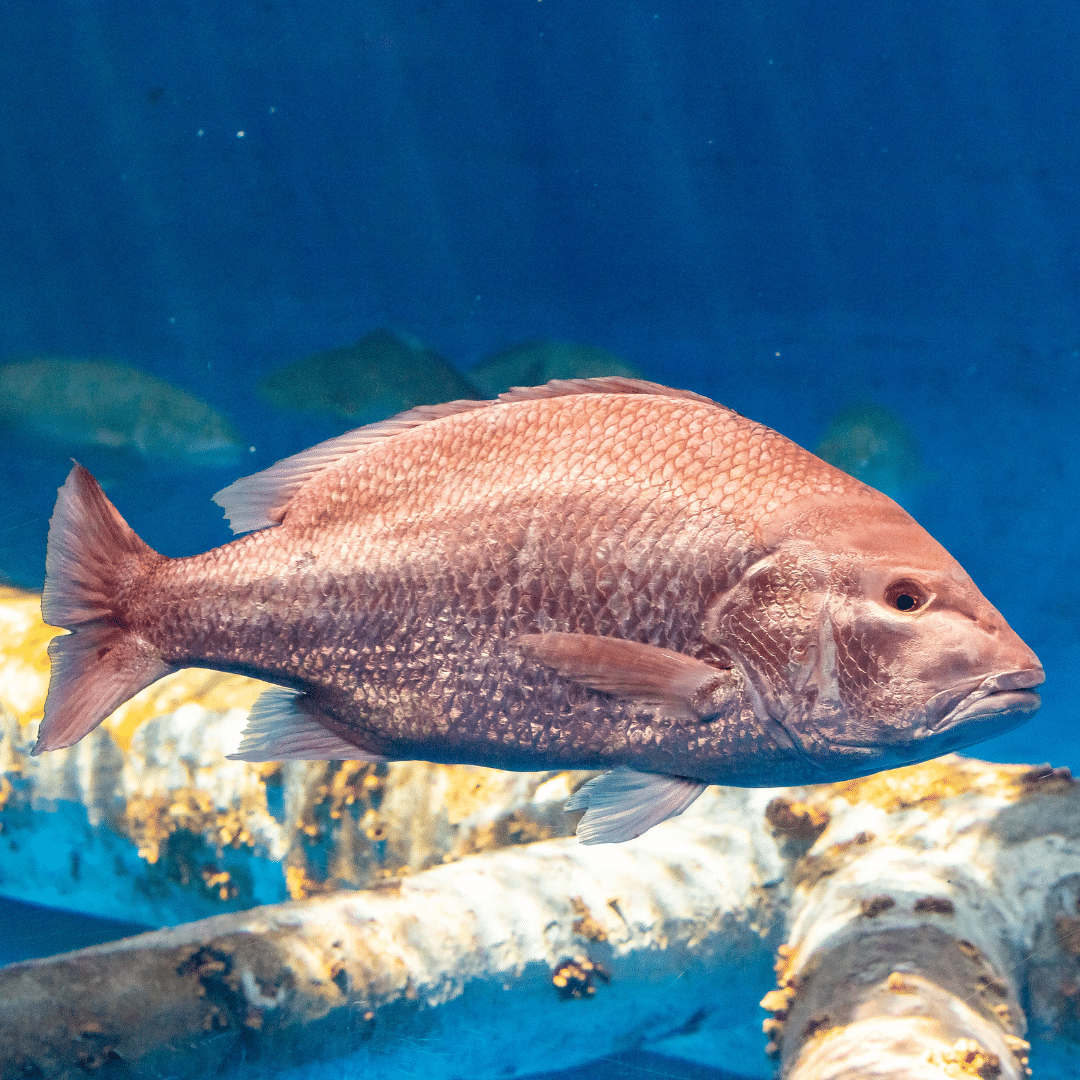
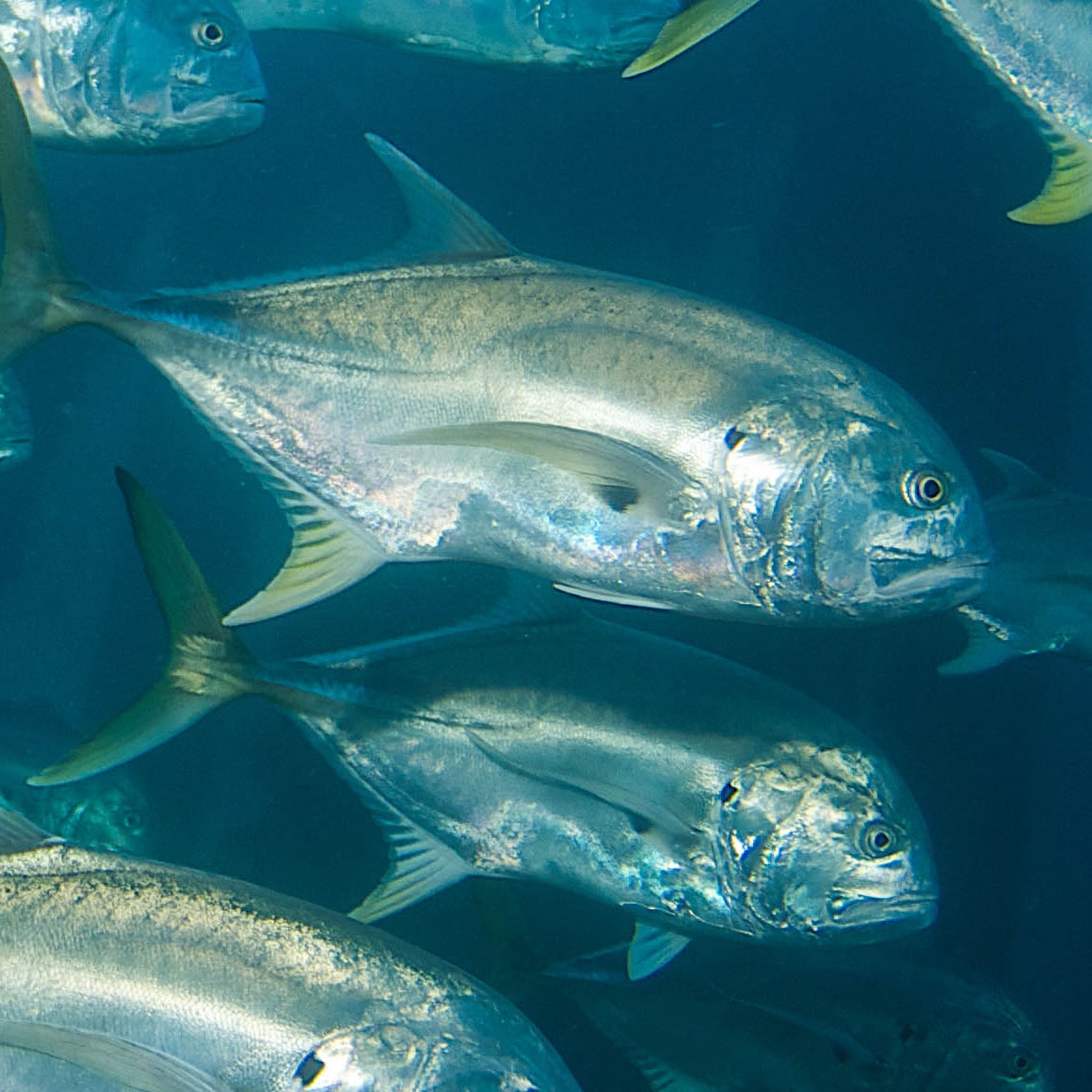
This large marine fish is distributed across most coastal waters of the Atlantic and can be found at depths of around 350 meters. A voracious predator of prawn, shrimps, and cephalopods.
Read More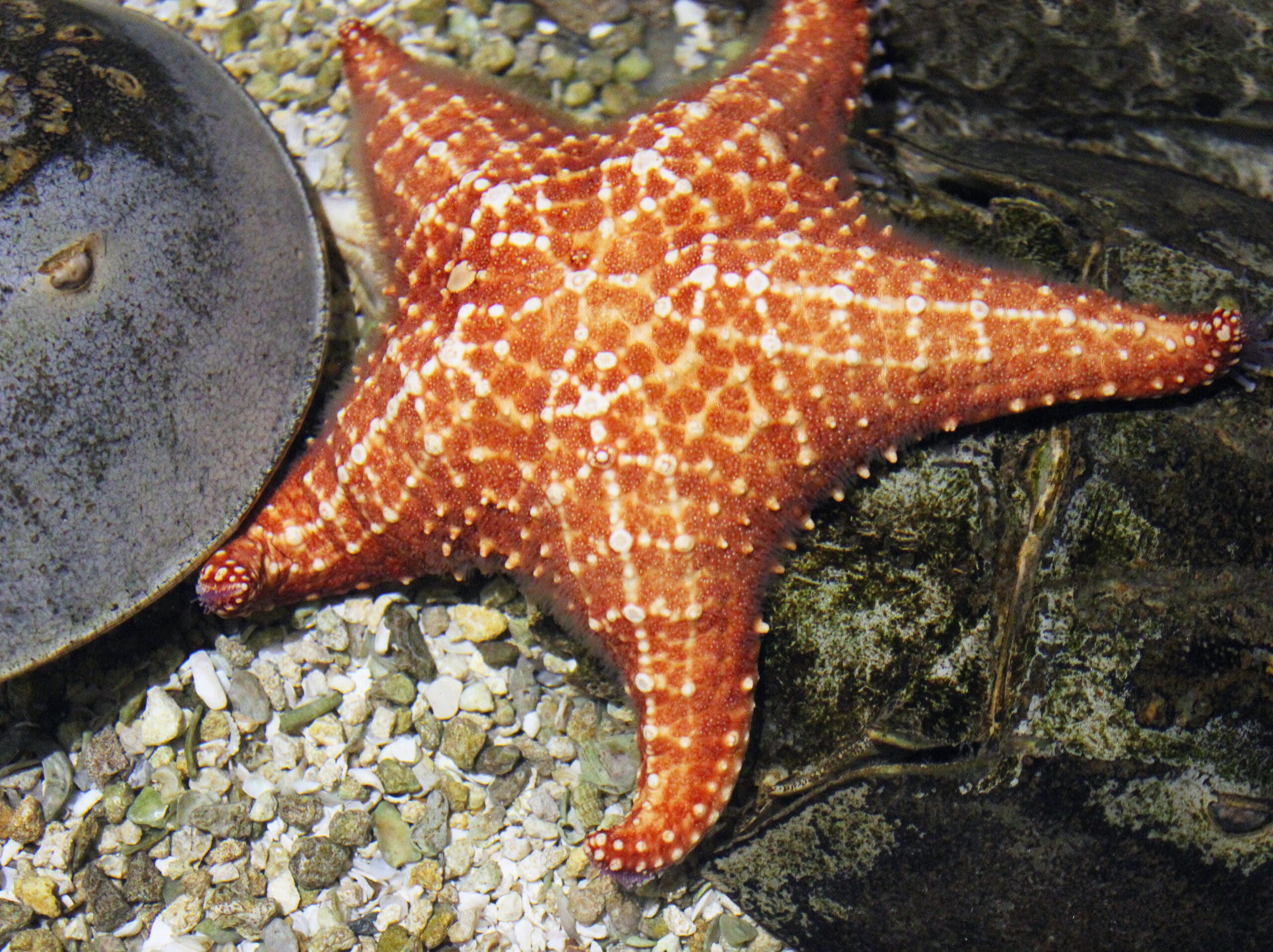
The most common starfish in the Atlantic, this starfish has five arms and can grow 30 cm across or larger. Usually found on rocky banks, where it feeds on mollusks and other invertebrates.
Read More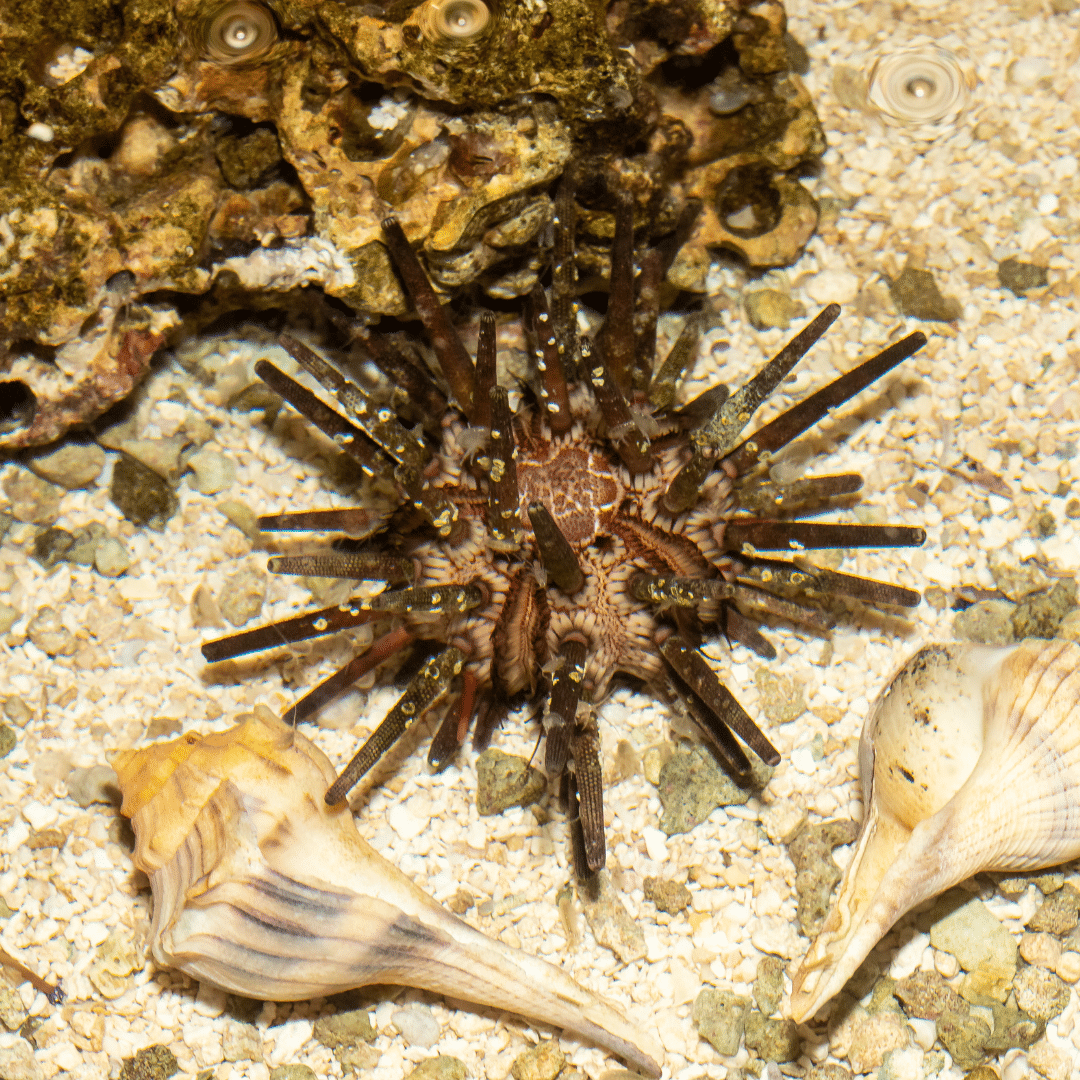
Also known as “sea hedgehogs” for their spines, these echinoids have more widely separated spines than other urchins. Their spines are also not as sharp, often feeling like a dull stick.
Read More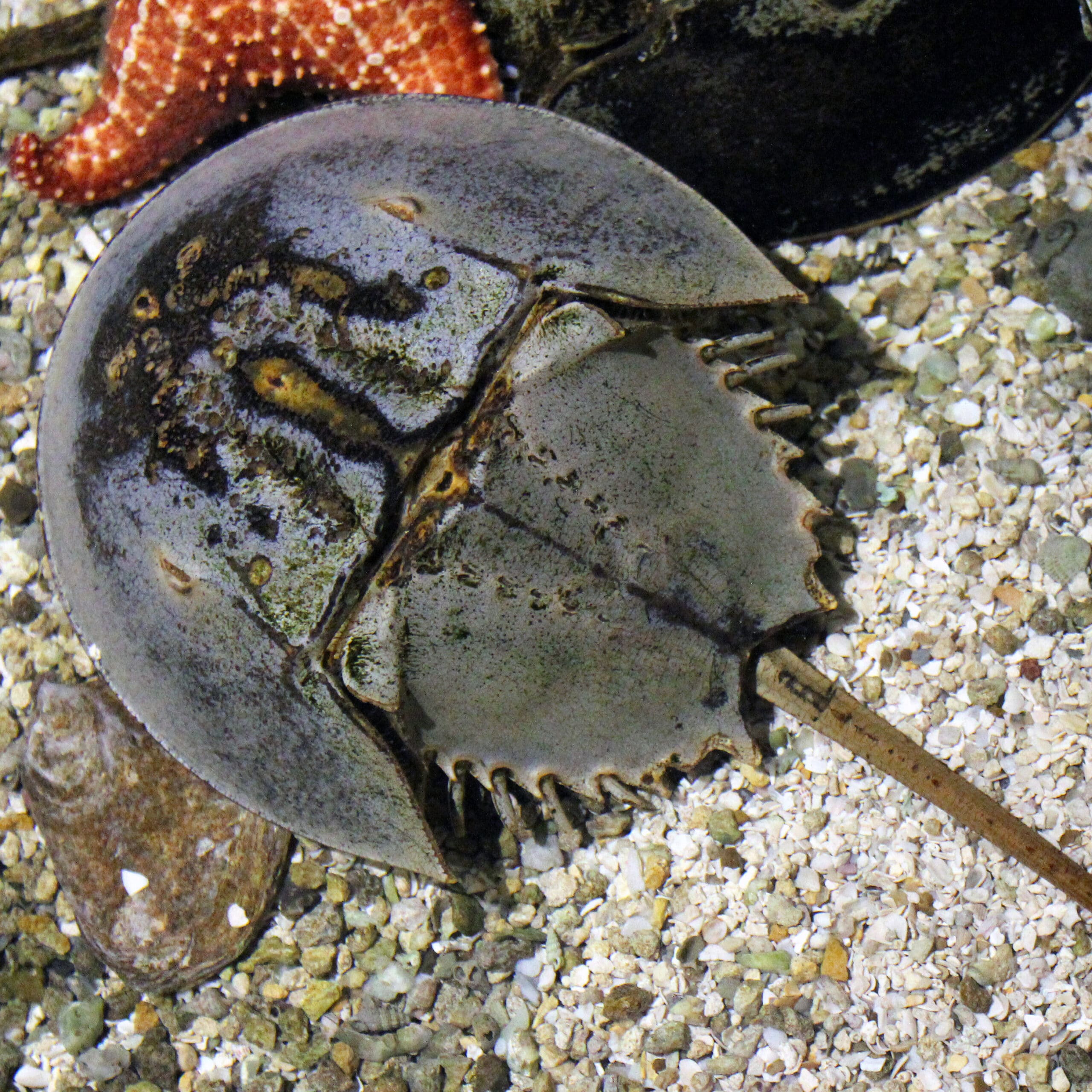
These invertebrates are considered living fossils, having first originated around 450 million years ago. They live in shallow ocean waters on soft and muddy bottoms, feeding on crustaceans and small fish.
Read More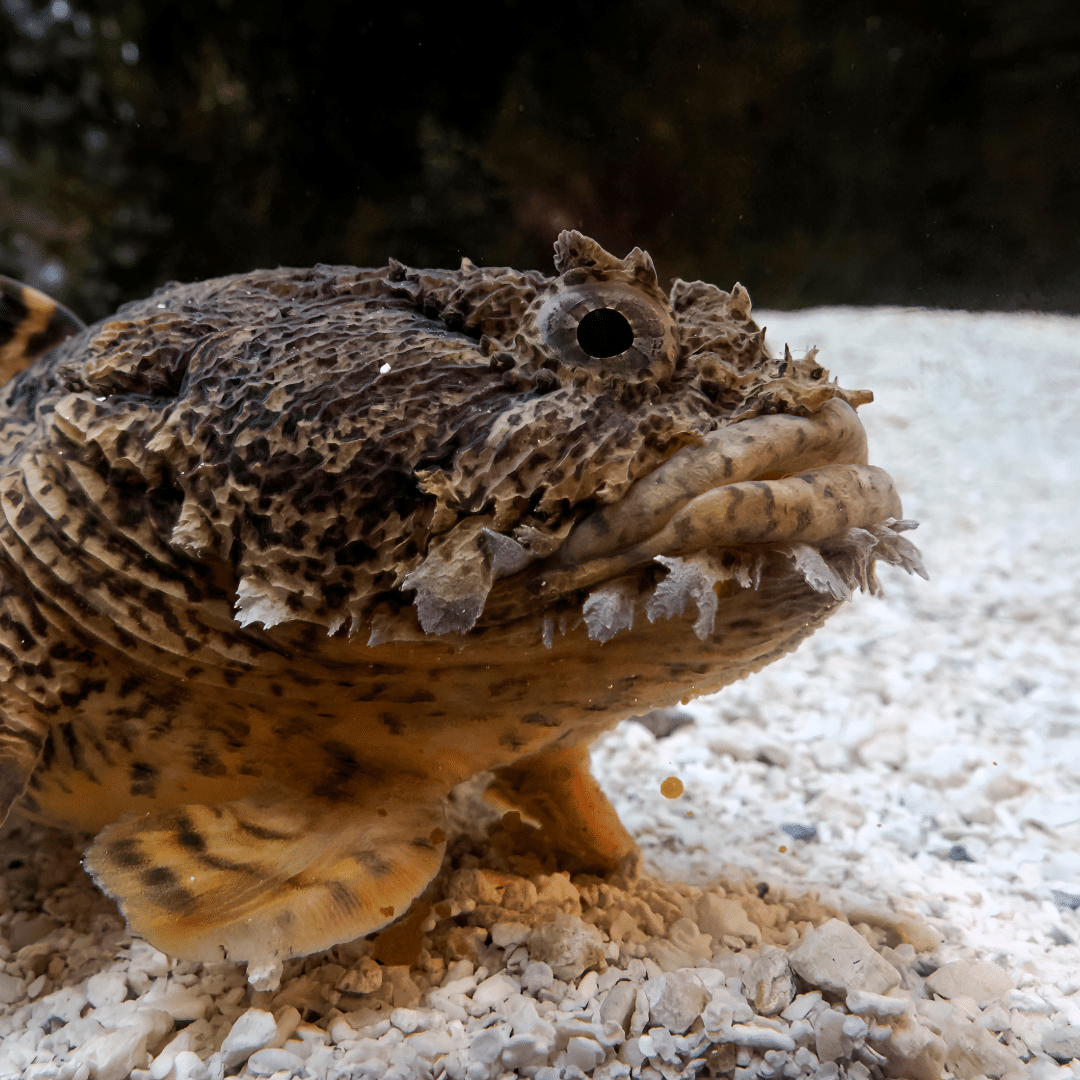
Getting their name from their toad-like appearance, these fish can produce sounds with their swim bladders, which they use as a mating call.
Read More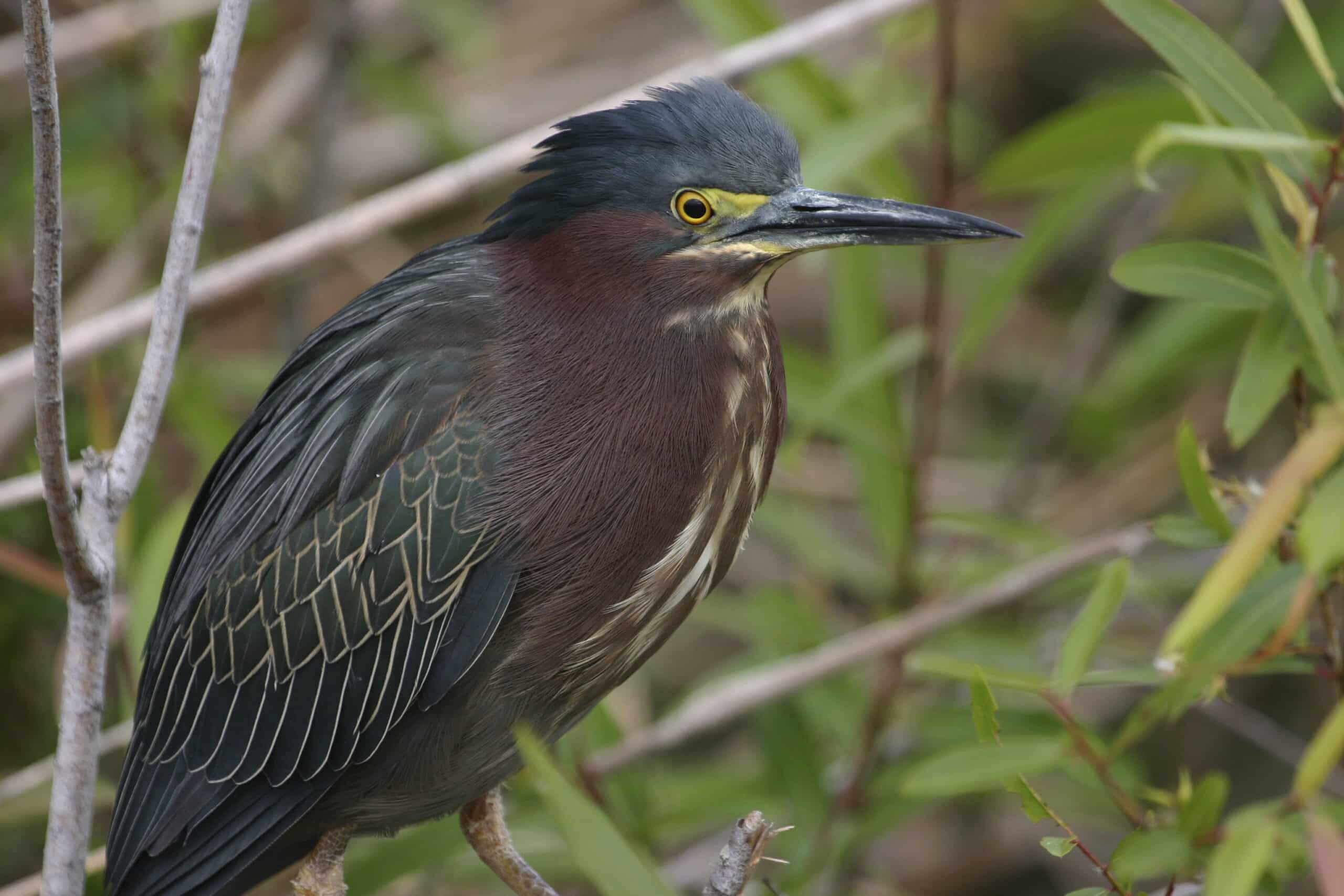
This small heron species is often seen with its long neck pulled in tight against its body. It inhabits small low-lying wetlands, where they feed actively on small fish, frogs, and invertebrates.
Read More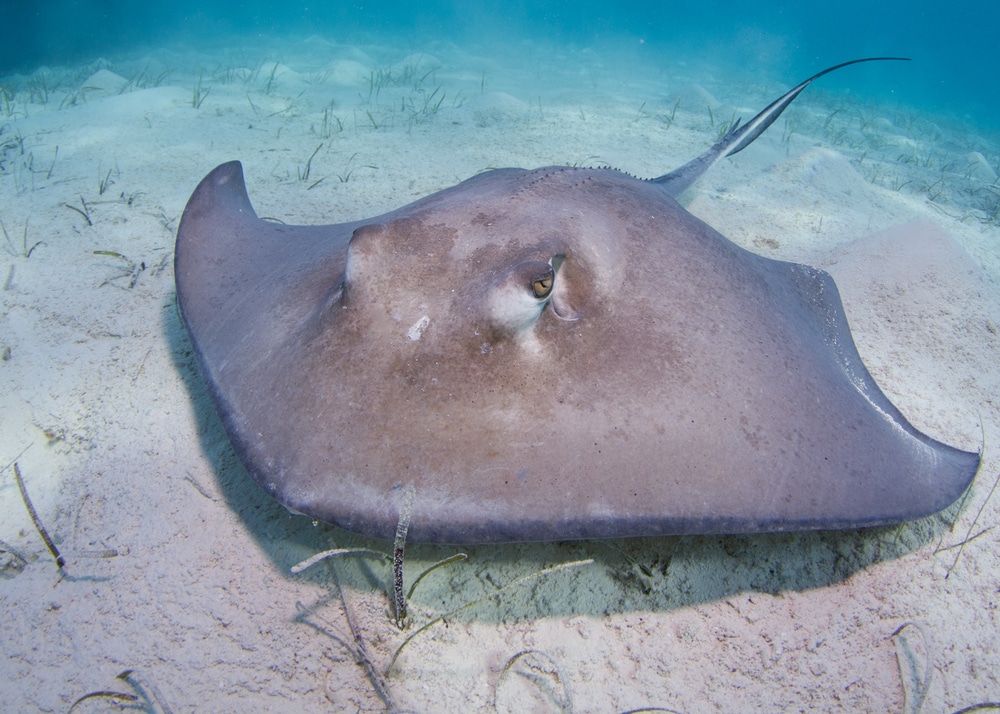
This stingray is common to the Atlantic ocean. Its flat body allows it to conceal itself on the seabed, and a serrated barb containing a mild toxin in its tail can be used for defense.
Read More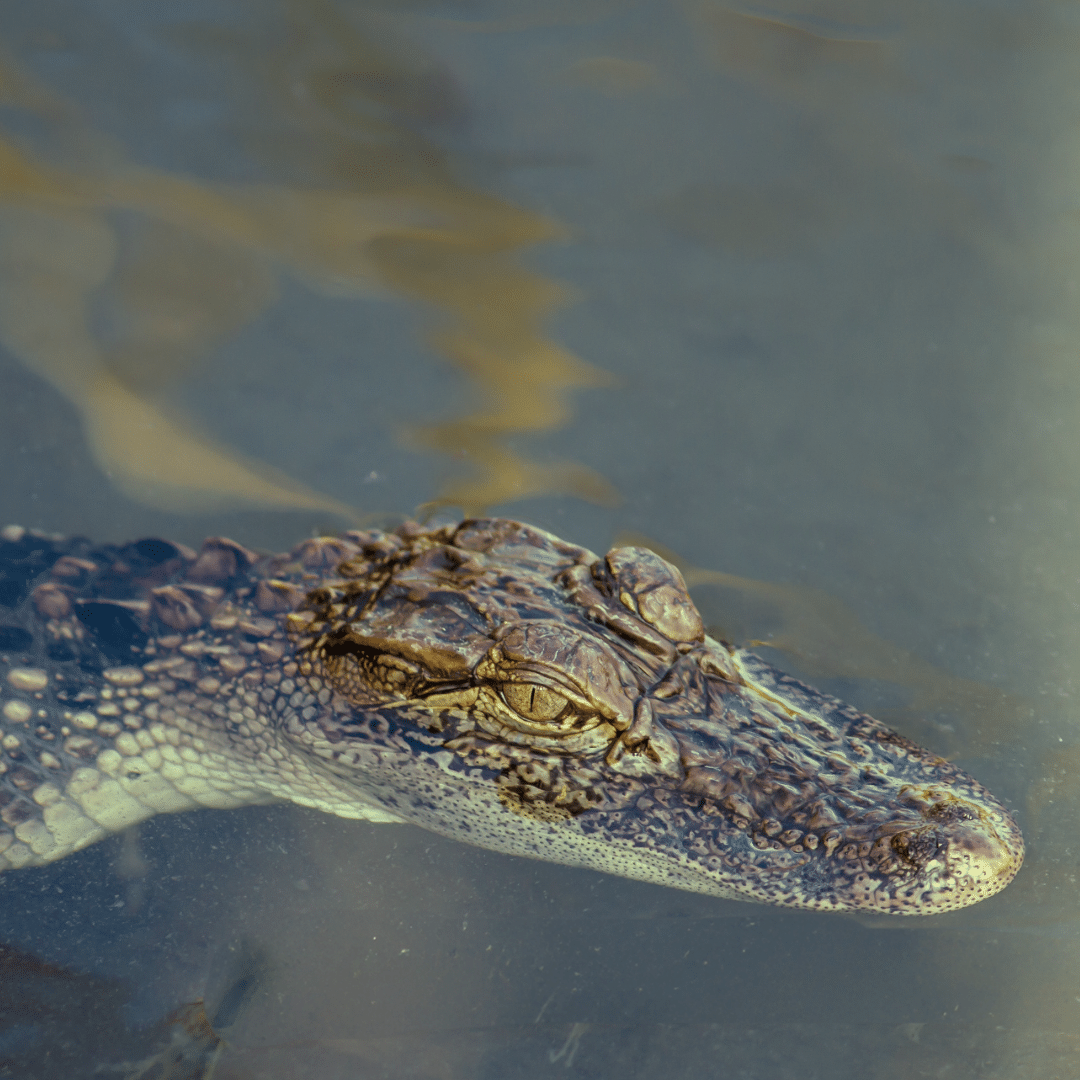
These alligators hatched about 6 inches long and weighing a few ounces, but can grow to be as much as 16 feet long and over 1000 pounds.
Read More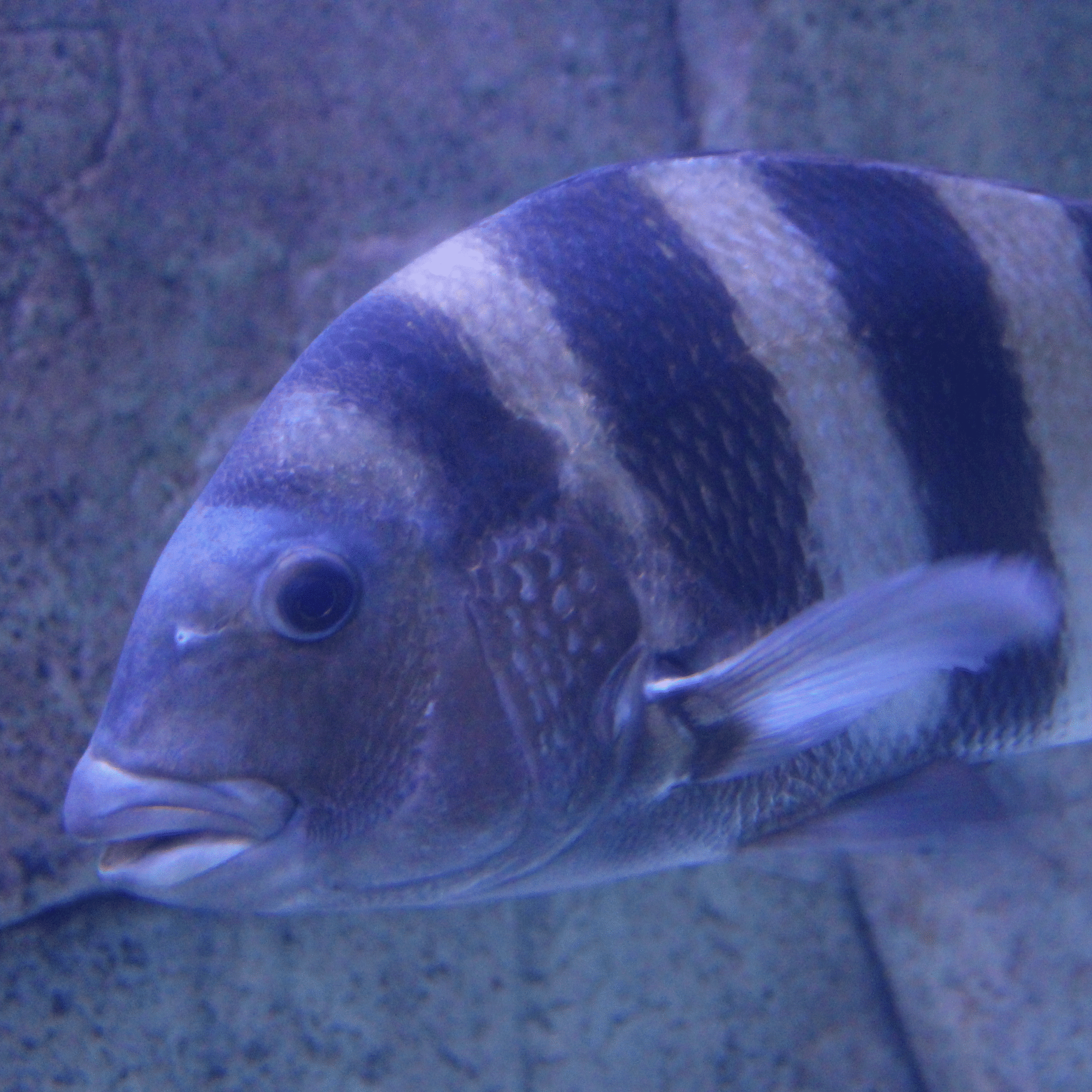
The sheepshead, recognizable by its broad vertical stripes, gets its name from their mouth shape, which resembles that of a sheep.
Read MoreRecent Posts
- Oceans and Wildlife Institute Announces Promotion for Executive Vice President and Chief External Affairs OfficerSeptember 16, 2026
 Why the Texas State Aquarium Is Perfect for a Hot Summer DayJuly 20, 2026
 What’s New at the Texas State Aquarium This Summer: Events, Exhibits & Family FunJune 18, 2026


