
This disk-shaped fish spends its juvenile years in estuaries, before moving out into shallow mangroves, beaches, and harbors as an adult.
Read More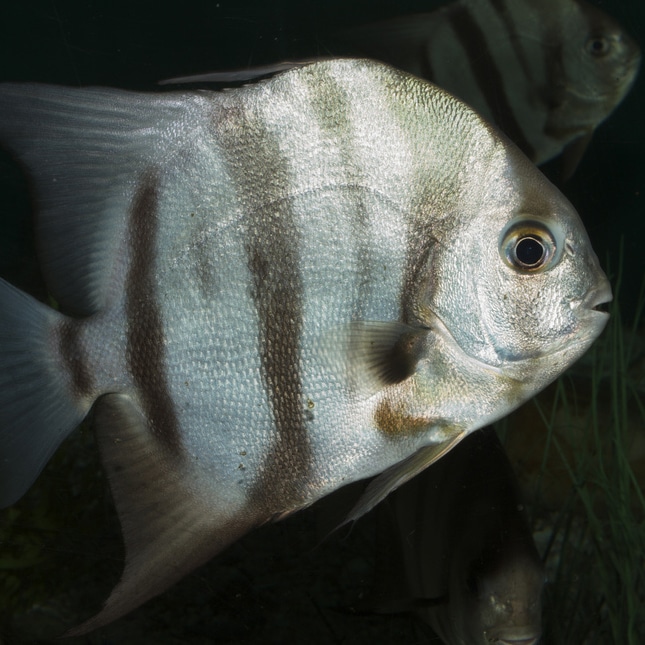
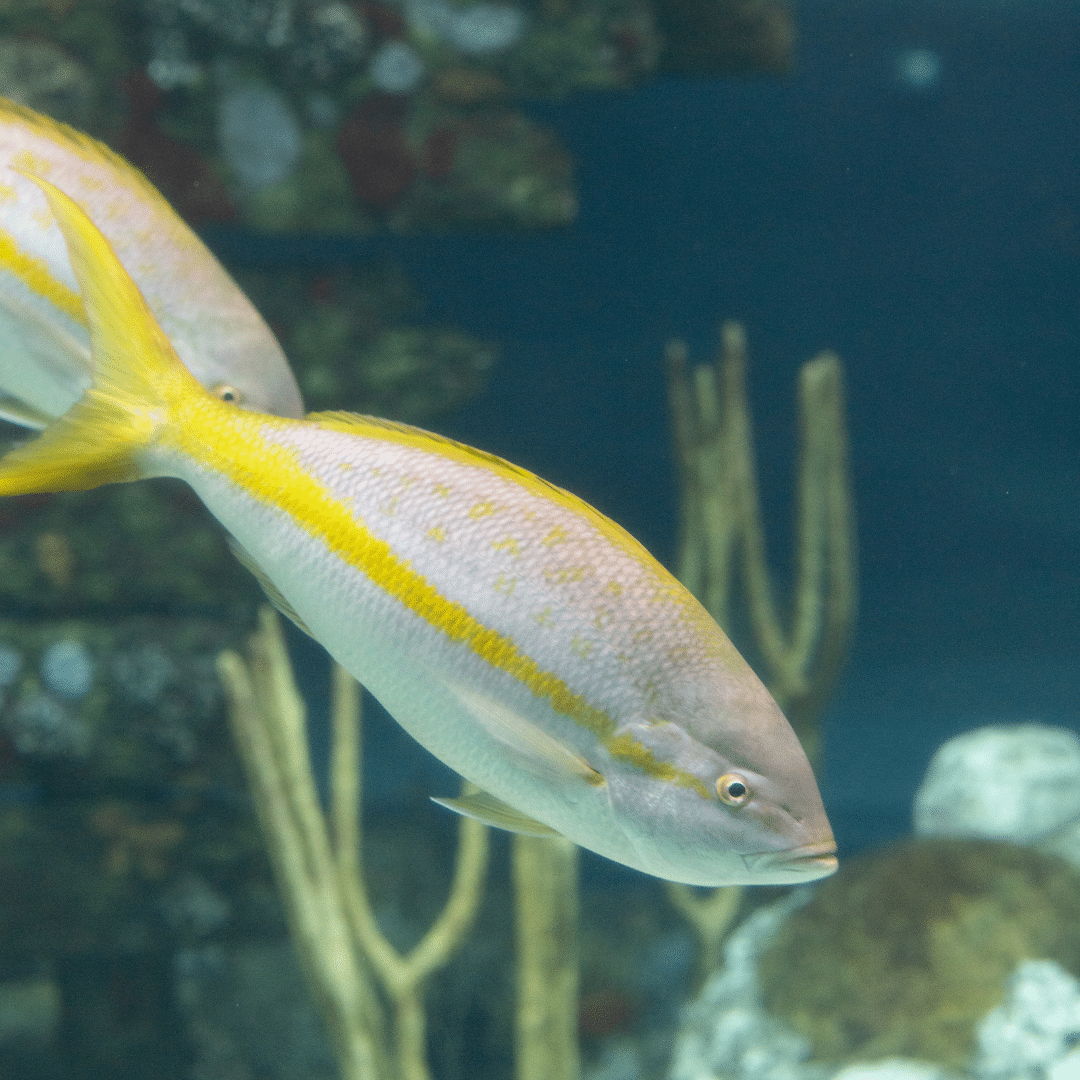
This snapper is the only known member of its genus. Because of its bright colors, it is popular with both recreational anglers and scuba divers.
Read More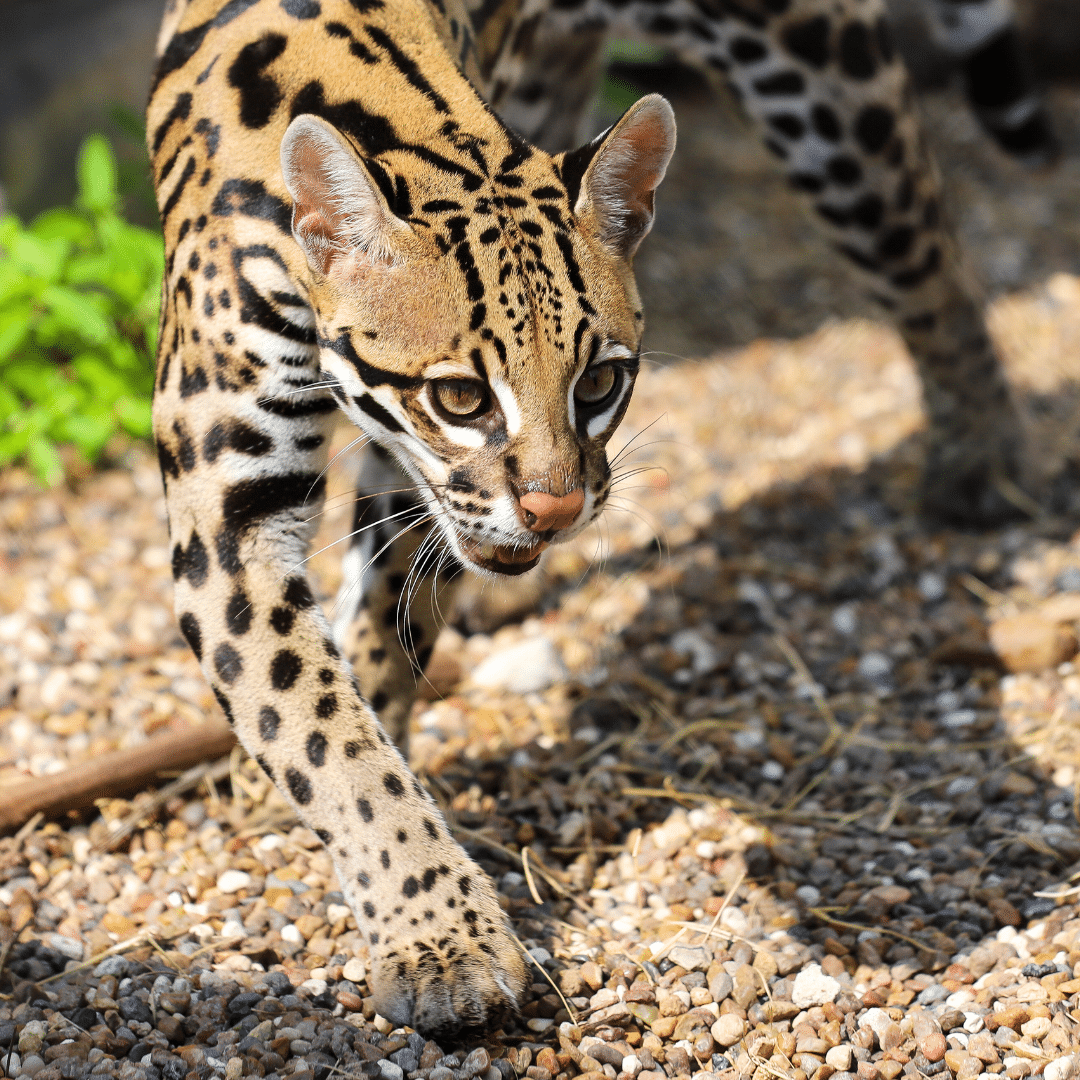
Our young ocelot Milla has unique color patterns that can distinguish her from other ocelots.
Read More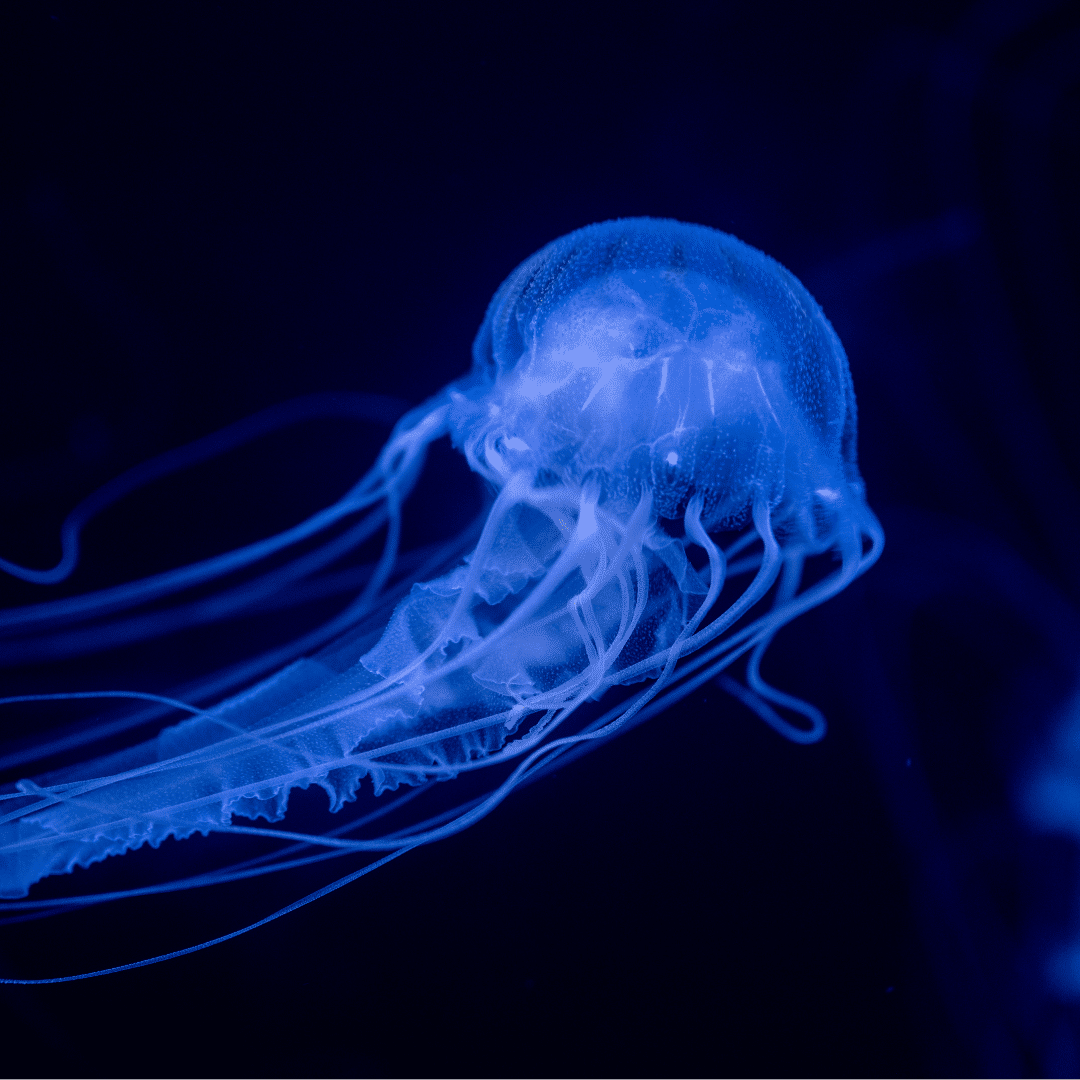
The Atlantic Sea Nettle is also known as the East Coast Sea Nettle because this jellyfish inhabits the Atlantic coast of the United States.
Read More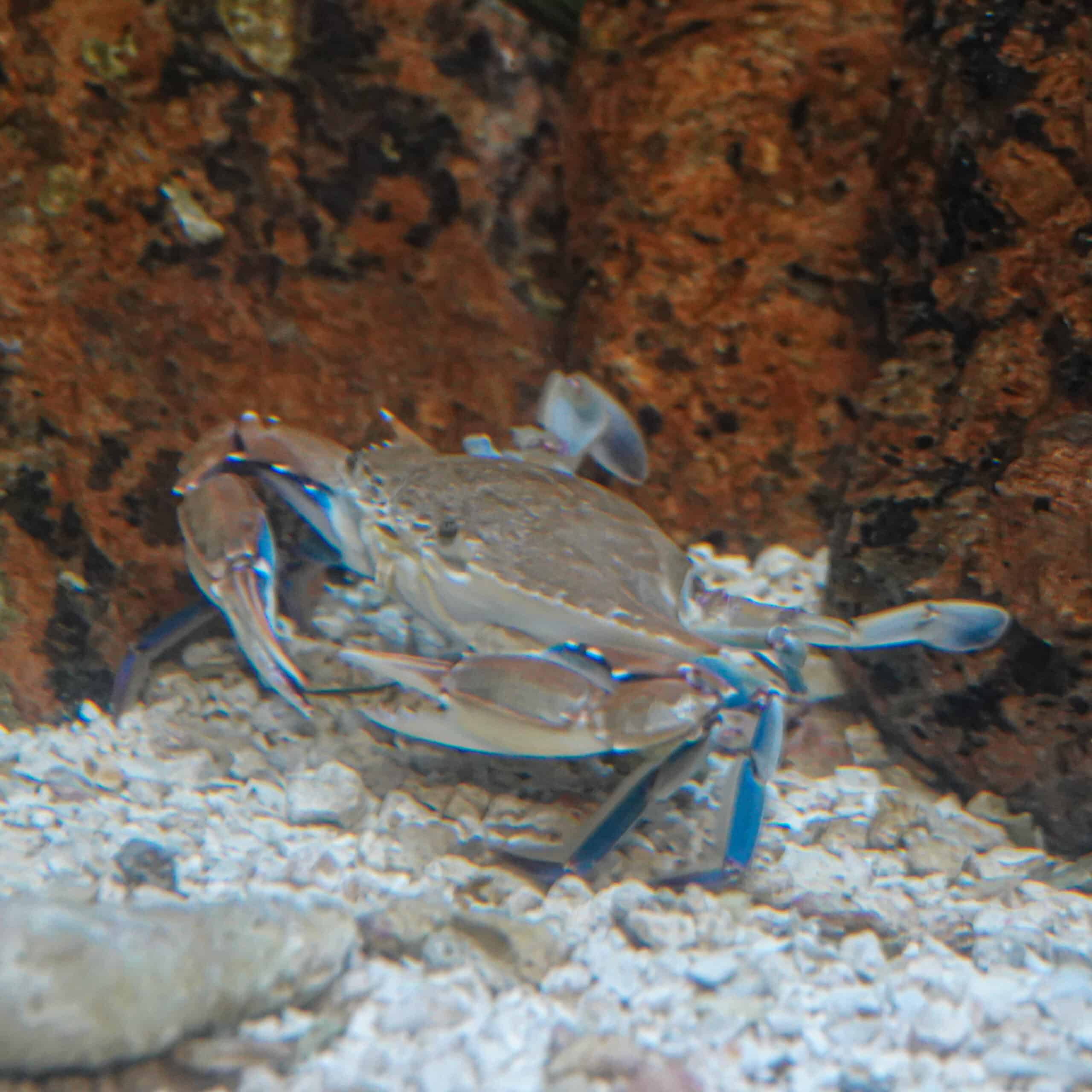
Native to the Gulf, the Blue Crab is easily distinguishable by the color of its bright blue walking legs.
Read More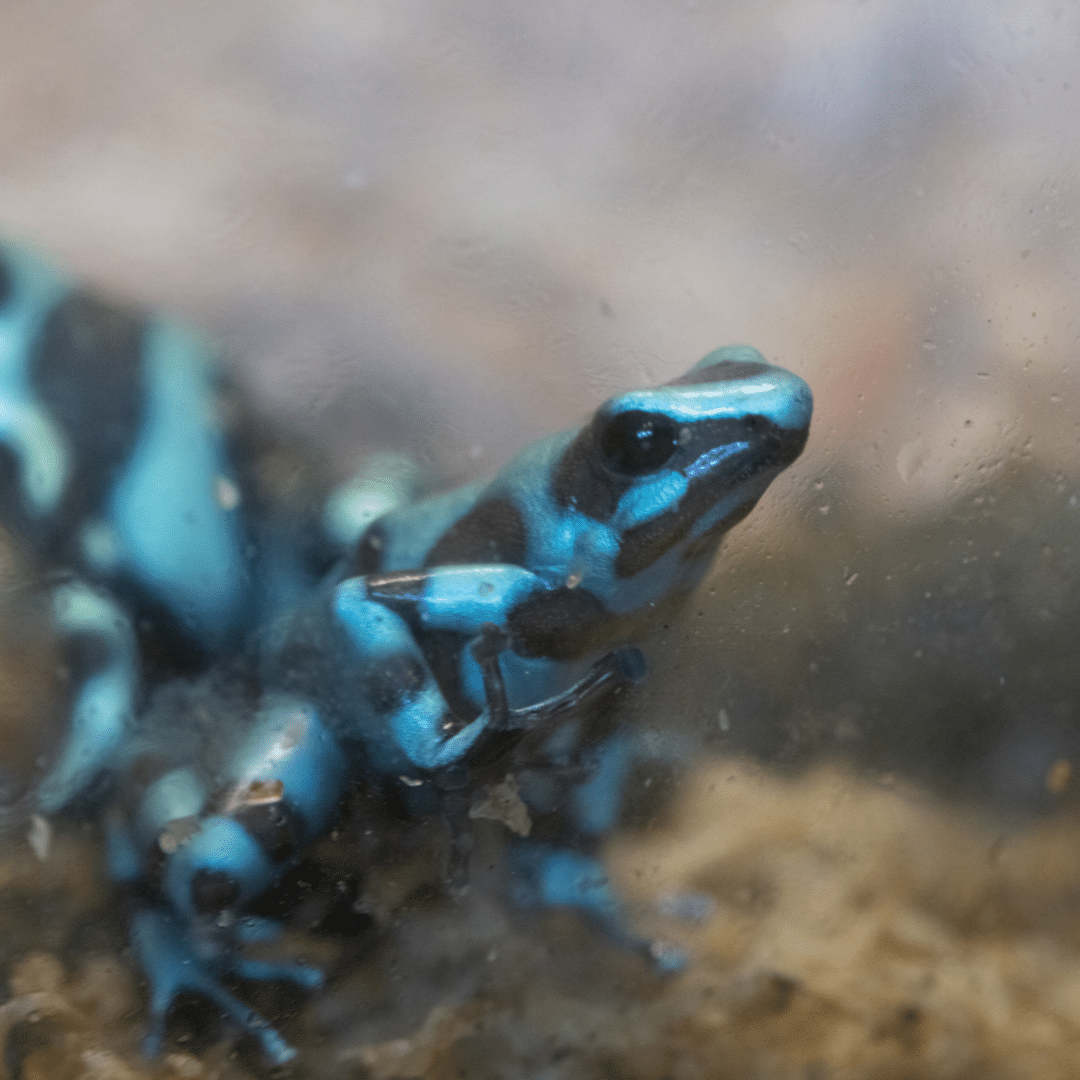
Poison dart frogs get their toxins from the prey they eat, so they are not poisonous in managed care.
Read More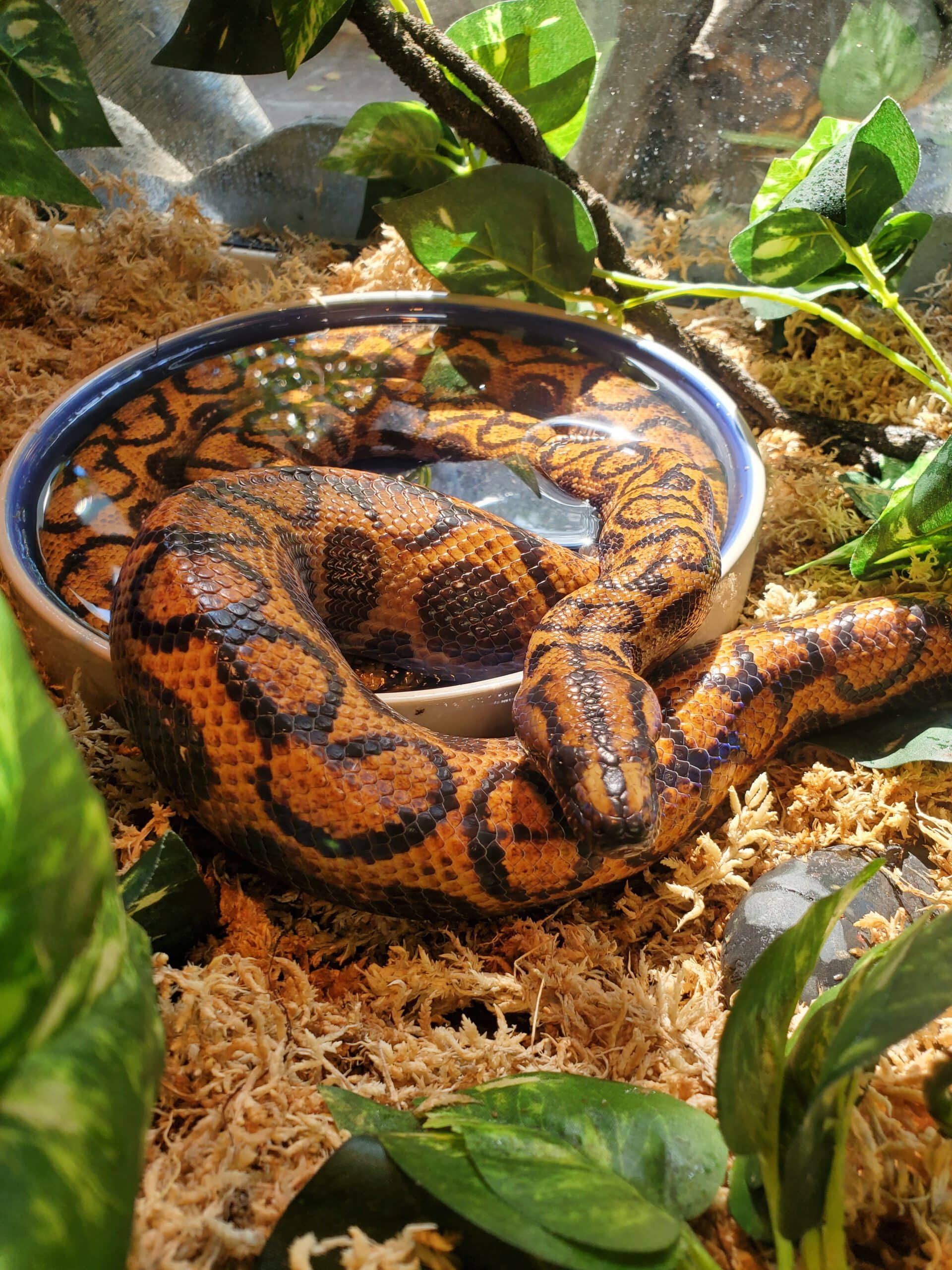
There’s a reason why these snakes are called “Rainbow Boas!” Their bodies are noticeably more vibrant than some other species out there.
Read More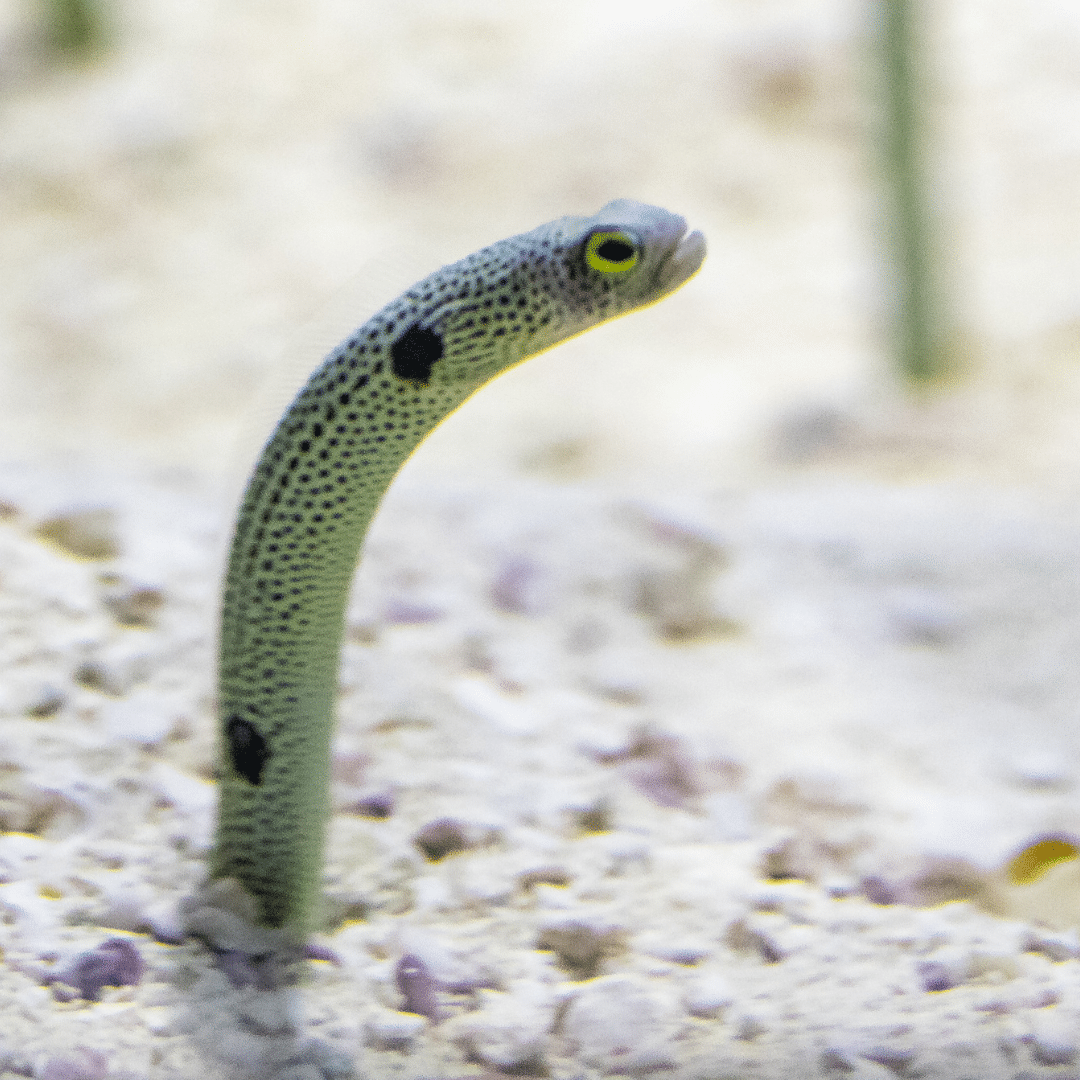
These small eels received their name because of how they “plant” themselves in the seabed, leaving only their top halves visible.
Read More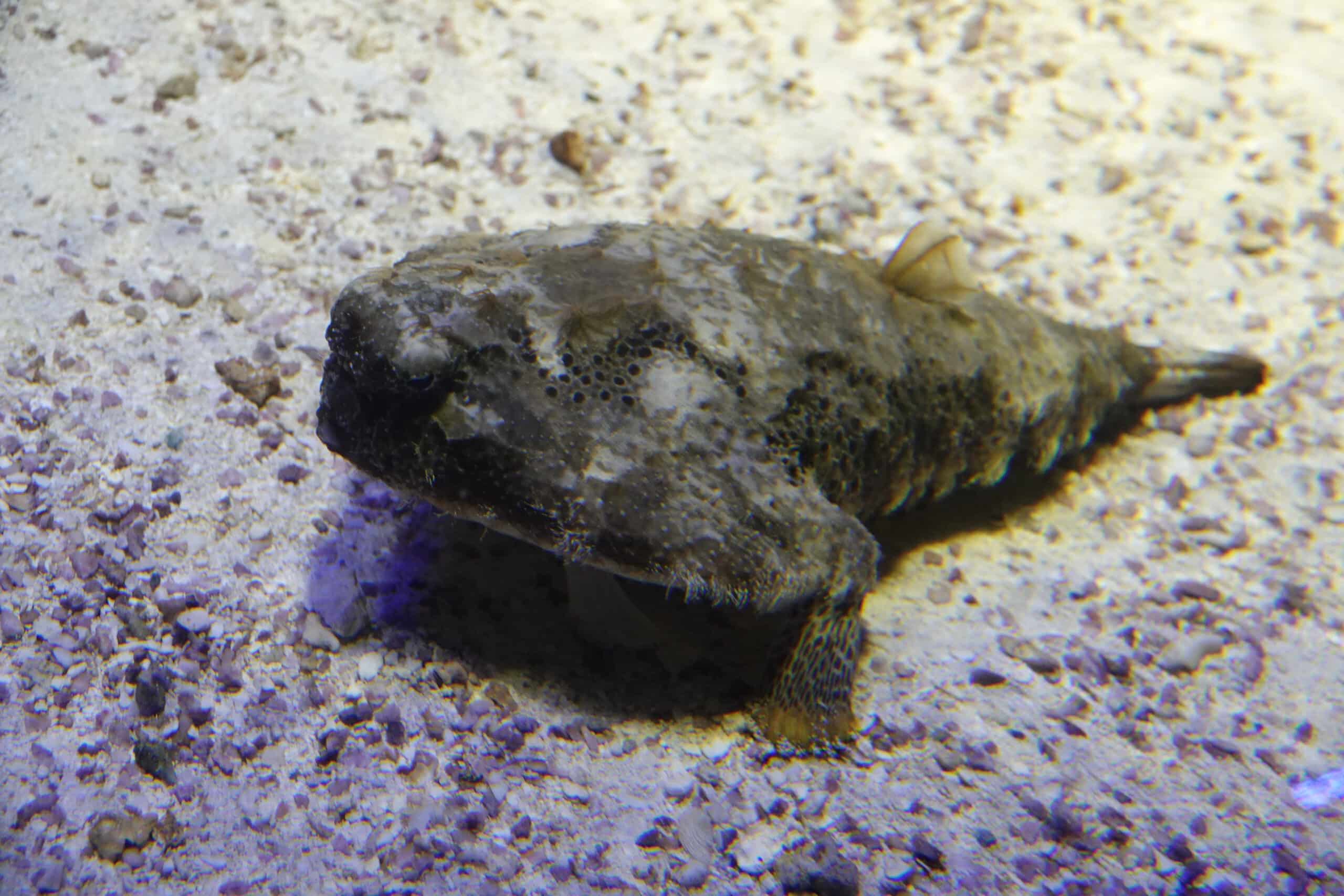
Batfish are an unusual species. Their fins are modified to allow them to “walk” on the ocean floor.
Read More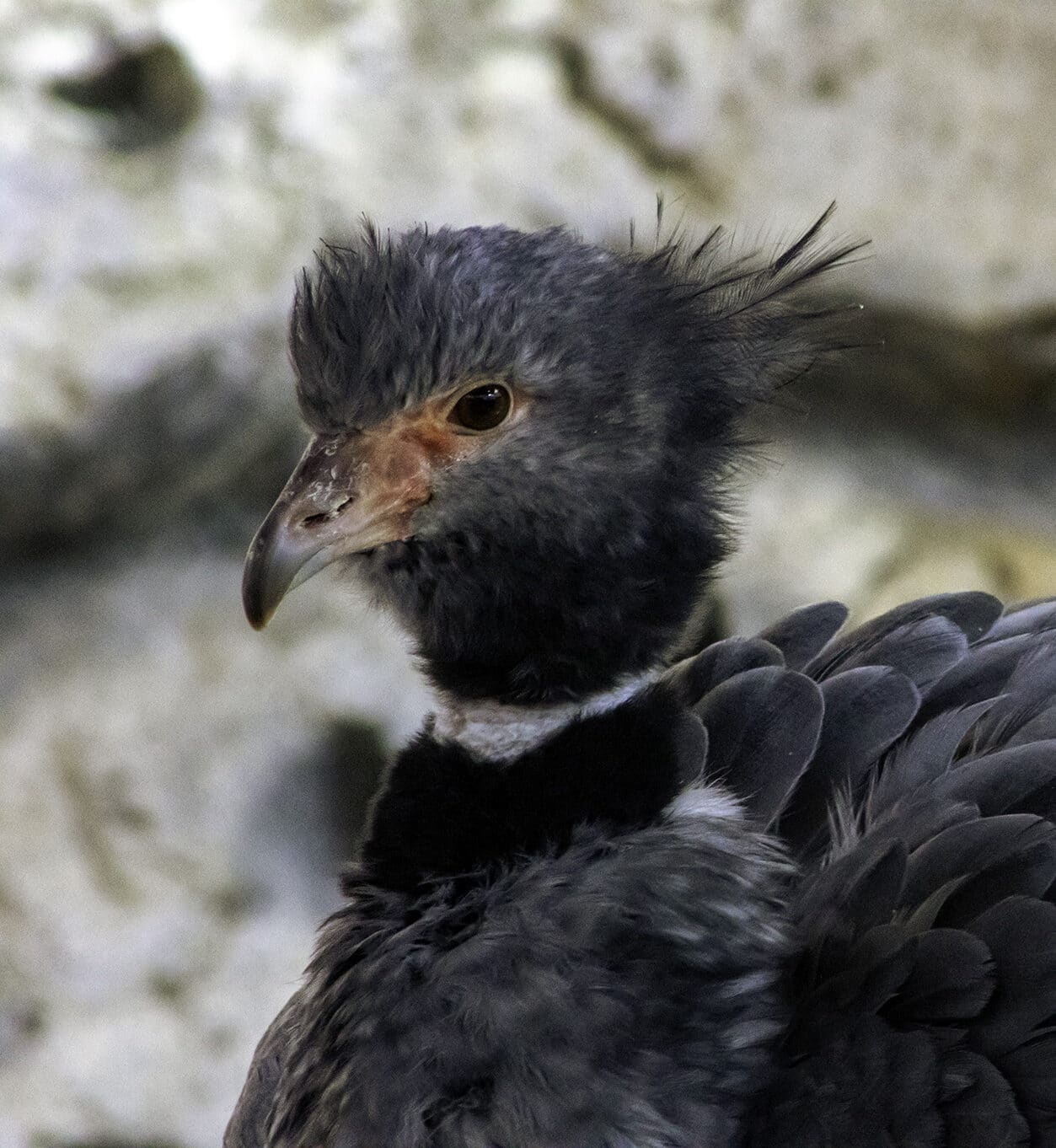
This unique-looking gooselike species has long red legs and has a very loud and far-carrying call.
Read MoreRecent Posts
- Oceans and Wildlife Institute Announces Promotion for Executive Vice President and Chief External Affairs OfficerSeptember 16, 2026
 Why the Texas State Aquarium Is Perfect for a Hot Summer DayJuly 20, 2026
 What’s New at the Texas State Aquarium This Summer: Events, Exhibits & Family FunJune 18, 2026


