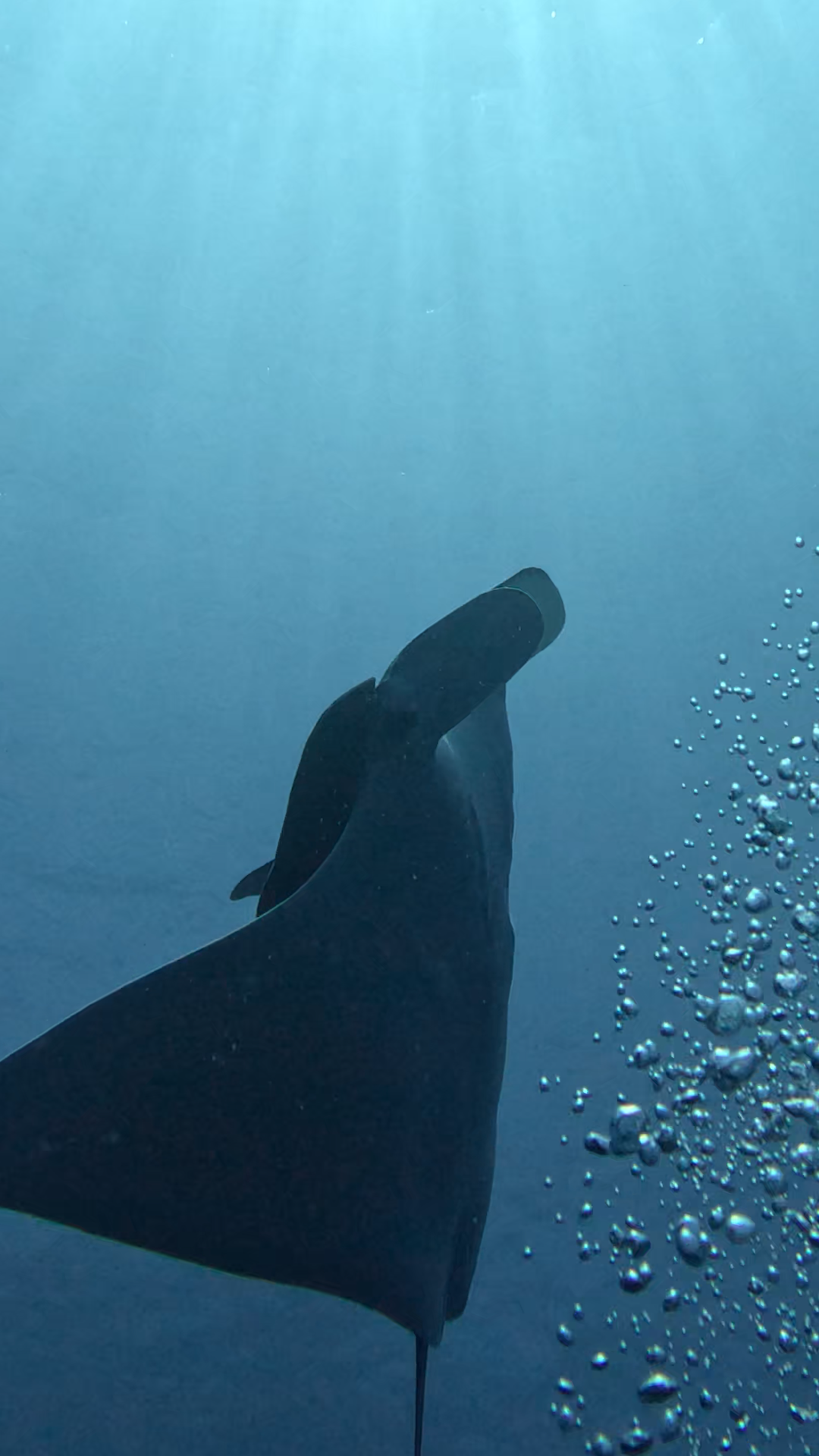
This summer, the Texas State Aquarium, NOAA, and the Marine Megafauna Foundation embarked on an expedition that took us far beyond our home state’s shores. We traveled to East and West Flower Garden Banks within FGBNMS to help shed light on the lesser-known aspects of manta ray distribution, especially among the juvenile population. The goal of this expedition was to learn more about manta rays, their movements and habitats. By gathering knowledge, we’re working towards effective conservation strategies that safeguard manta rays and their habitats.
You can help identify and add to Manta Ray data.
- If you encounter a giant manta ray, please email NOAA at: [email protected]. Report where you saw the manta, how big it was, what condition it was in, and most importantly, include photos or videos. This information will help us learn more about giant manta ray movements and habitat use and can inform recovery efforts for this threatened species.
- Photos and videos can be particularly helpful. Each manta ray has a unique spot pattern on their belly – much like a human fingerprint – and we can use photos of the belly to identify individuals. You can also contribute to the global manta ray photo-ID database by submitting images directly to mantamatcher.org.
You can help with manta ray conservation!
- Be responsible when viewing giant manta rays in the wild. Manta rays are curious animals, but please observe them from a safe distance. Do not chase, approach, or touch them.
- Reel in fishing lines if you see a manta ray nearby. Accidental hookings cause injuries and can lead to disfigurements and amputations.
- Reduce marine debris that might entangle or injure giant manta rays by participating in ocean/coastal cleanup efforts, reduce plastic waste, and properly stow trash and fishing gear while boating.
- Slow down and keep a lookout while boating. Manta rays are at risk of vessel strikes, especially when they are basking or feeding at the surface.