
About Wildlife Rescue
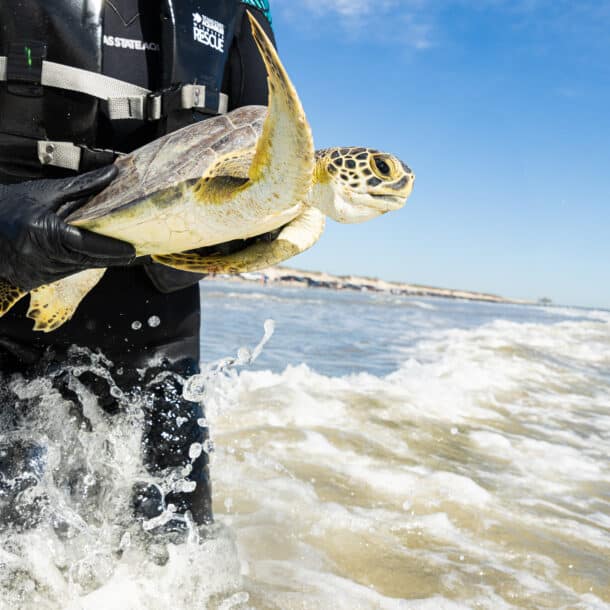
When wildlife along the Texas coast is injured, stranded, or in danger, the Texas State Aquarium Wildlife Rescue Center provides critical care. Our mission is to respond with expertise, compassion, and science, offering medical treatment and rehabilitation with the goal of returning animals to the wild whenever possible.
A Facility Built for Rescue
The Wildlife Rescue Center is one of the largest coastal wildlife rescue facilities in the nation, purpose-built to care for marine mammals, sea turtles, shorebirds, and other protected species. The facility includes specialized treatment areas, an emergency operations center, and advanced diagnostic tools that support precise medical decision-making.
Among these tools is the only CT scanner in Texas dedicated exclusively to wildlife. This technology allows veterinarians to identify internal injuries that may not be visible externally, guiding treatment plans and improving outcomes for animals in care.
Science-Guided Care
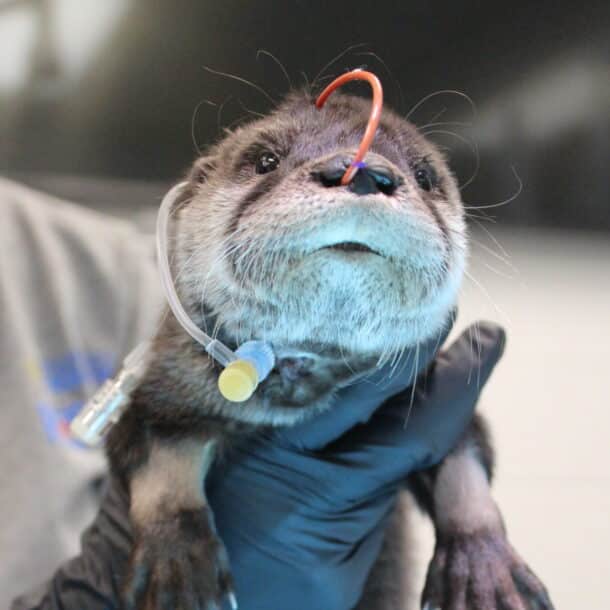
Each animal admitted receives an individualized evaluation based on species, condition, and prognosis. Care may range from short-term stabilization to intensive medical treatment and rehabilitation, guided by veterinary science, regulatory standards, and a commitment to animal welfare.
When an animal is healthy and deemed releasable, our team works to return it to its natural habitat. If release is not possible, we collaborate with accredited partners to identify appropriate long-term care options.
Rescue as Conservation
Wildlife rescue plays an important role in broader conservation efforts along the Texas coast. Many animals admitted to the Rescue Center are affected by human-related causes, including entanglement, habitat disruption, and pollution. Responding to these cases helps protect individual animals while contributing to a deeper understanding of the challenges facing coastal wildlife.


