
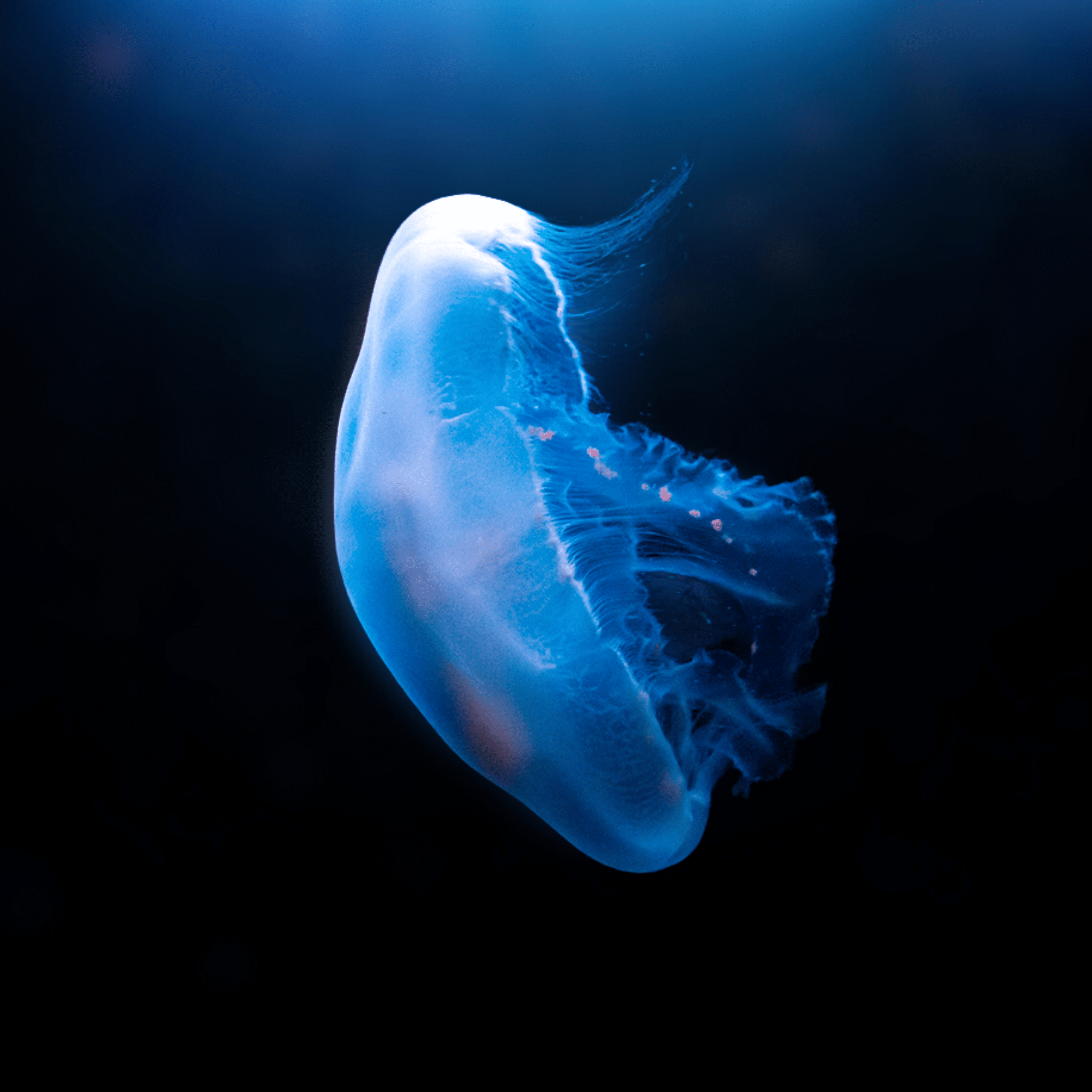
This common jellyfish species is translucent, revealing anatomy inside its bell. With limited swimming ability, moon jellies often drift with the current.
Nearshore
Nearshore portrays life at the shoreline, where sand dunes and mangroves meet shallow saltwater habitats.
Barrier islands lining the Texas coast allow river and Gulf water to mingle, creating a unique marine habitat where the majority of marine life spends at least part of its life. In these environments, many fish are born and grow before moving into the open ocean, while shorebirds set up a permanent base to forage for crustaceans, shellfish, and insects among the murky waters. In a swampy marsh, look for the tiny shapes of juvenile American alligators floating at the water’s surface or basking on shore. A clear acrylic display reveals even the diverse life swimming below the water, from freshwater species like largemouth bass and catfish to sea life such as southern stingrays and spotted seatrout.
With two-thirds of all marine animals spending their lives in marshes and estuaries, these nearshore environments are critical to local wildlife. These marsh plants also trap and filter pollutants that would otherwise damage the ocean. Learn here how important these ecosystems are, and how we can work can work together to preserve the Texas coast’s wetland habitat and the wildlife that depend on them.
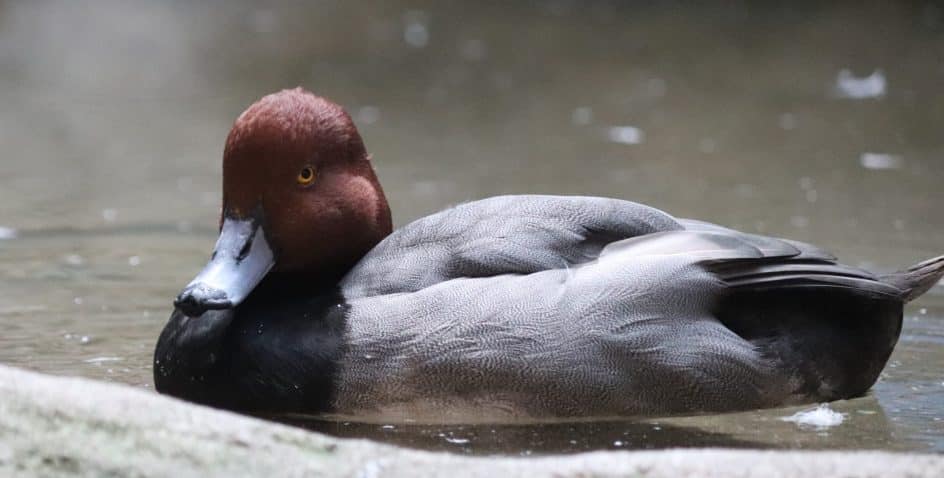
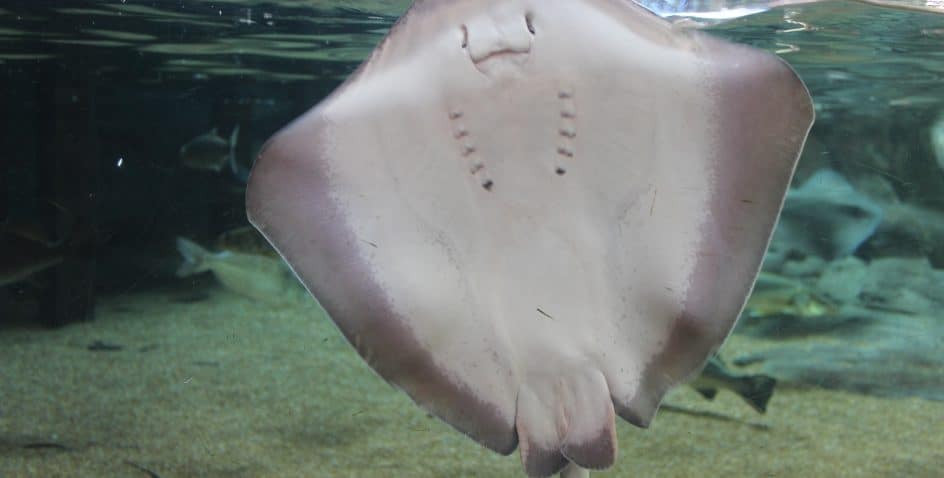
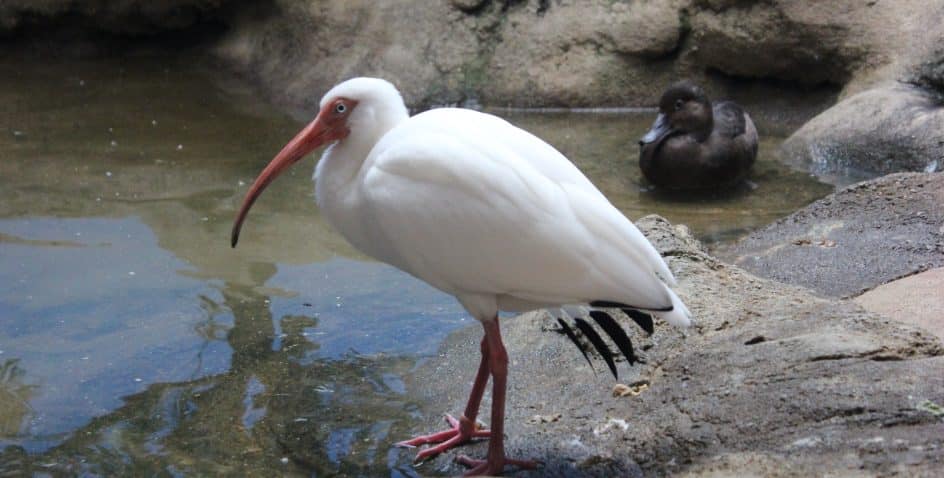
animals in this exhibit
Continue Reading
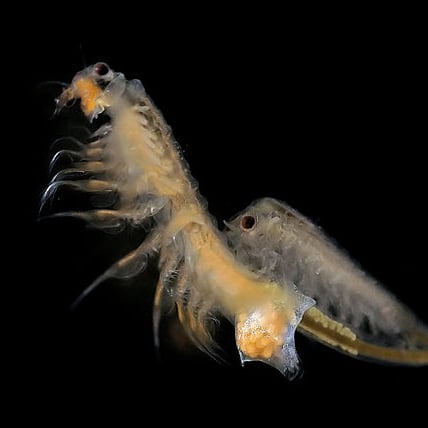
These tiny aquatic crustaceans help supplement the diets of many other species. Found worldwide, they can live in waters of very high salinity.
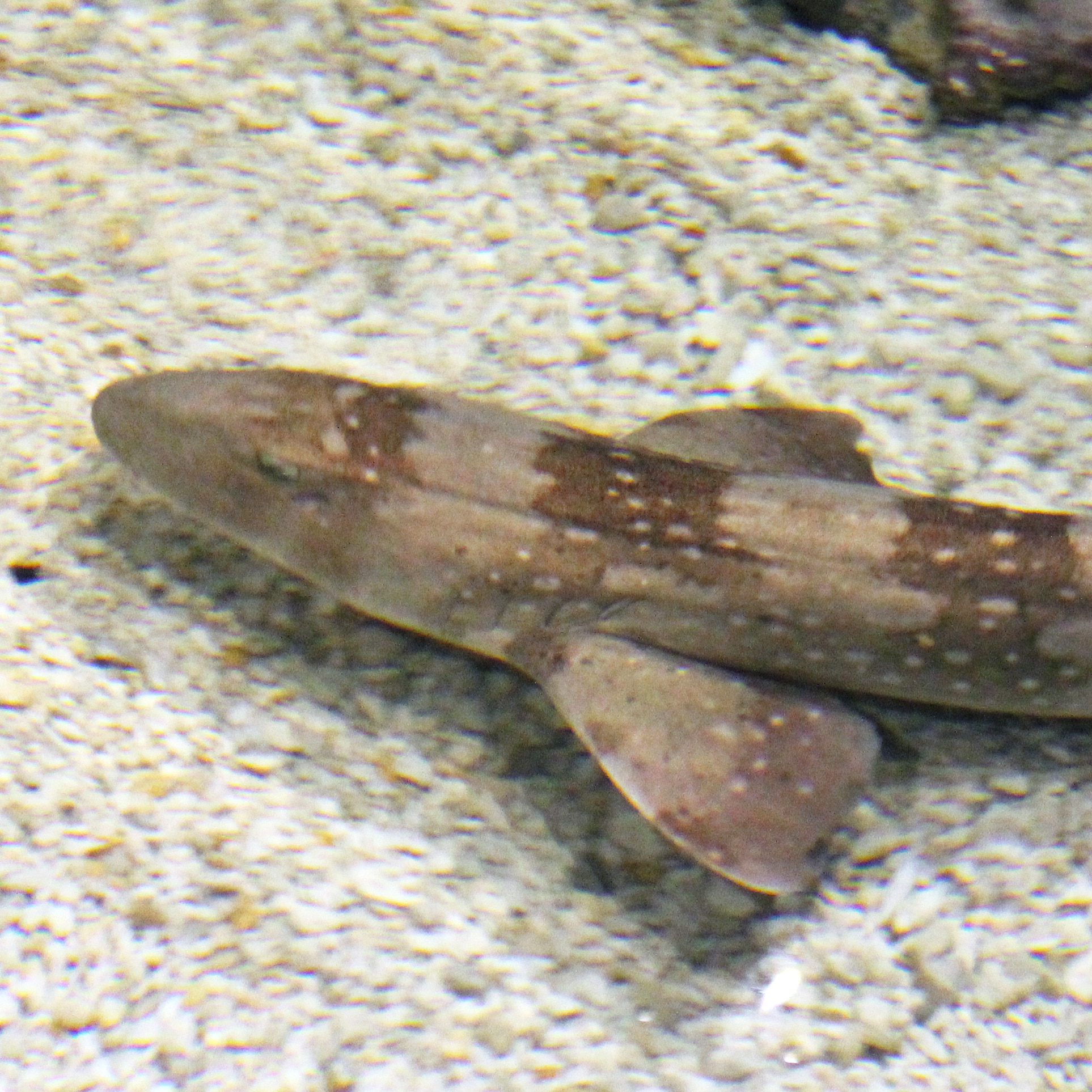
Bamboo sharks are oviparous (they lay eggs). Their egg casings are nicknamed “mermaid’s purses.”
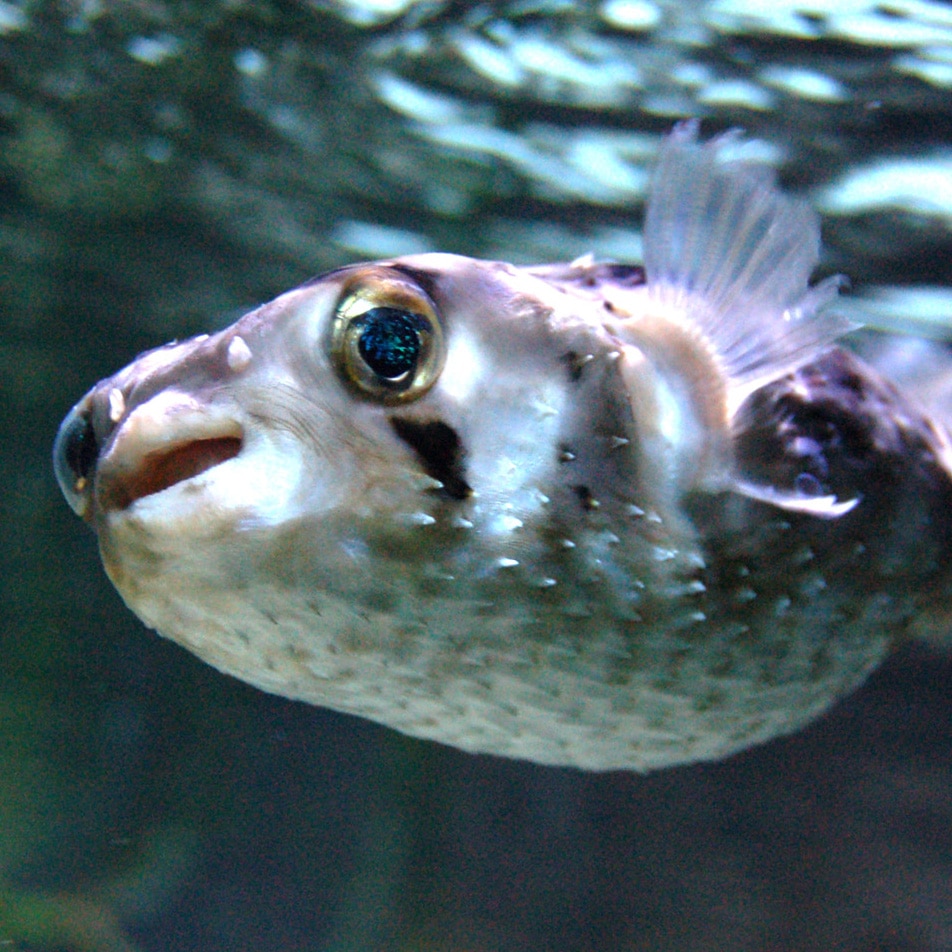
Commonly called a pufferfish, this species can inflate its body by swallowing air or water to deter predators. Sharp spines offer another line of defense.
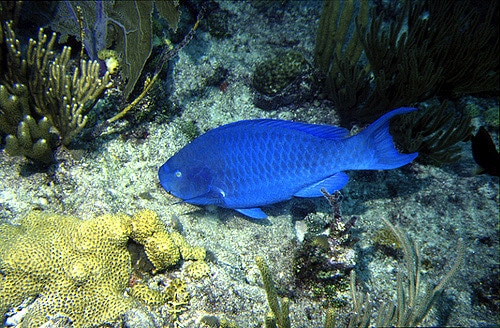
The parrotfish’s large beak is used to scrape algae and other organisms from rocks and hard coral.
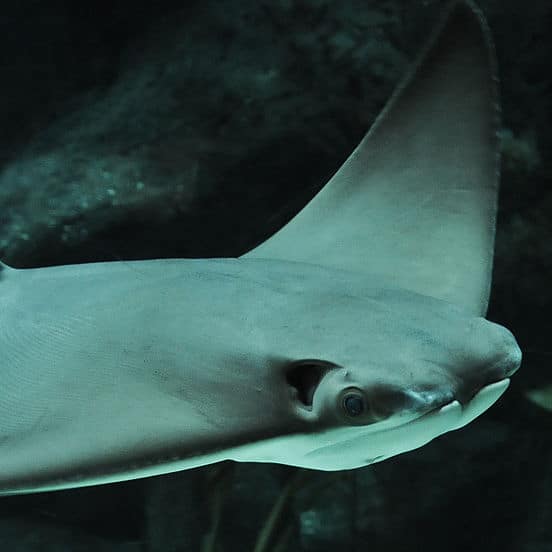
Found throughout the Atlantic and Caribbean, they can grow up to 45 inches in width and weigh 50 pounds or more. When threatened, they can use a barbed tail with toxin for defense.


