
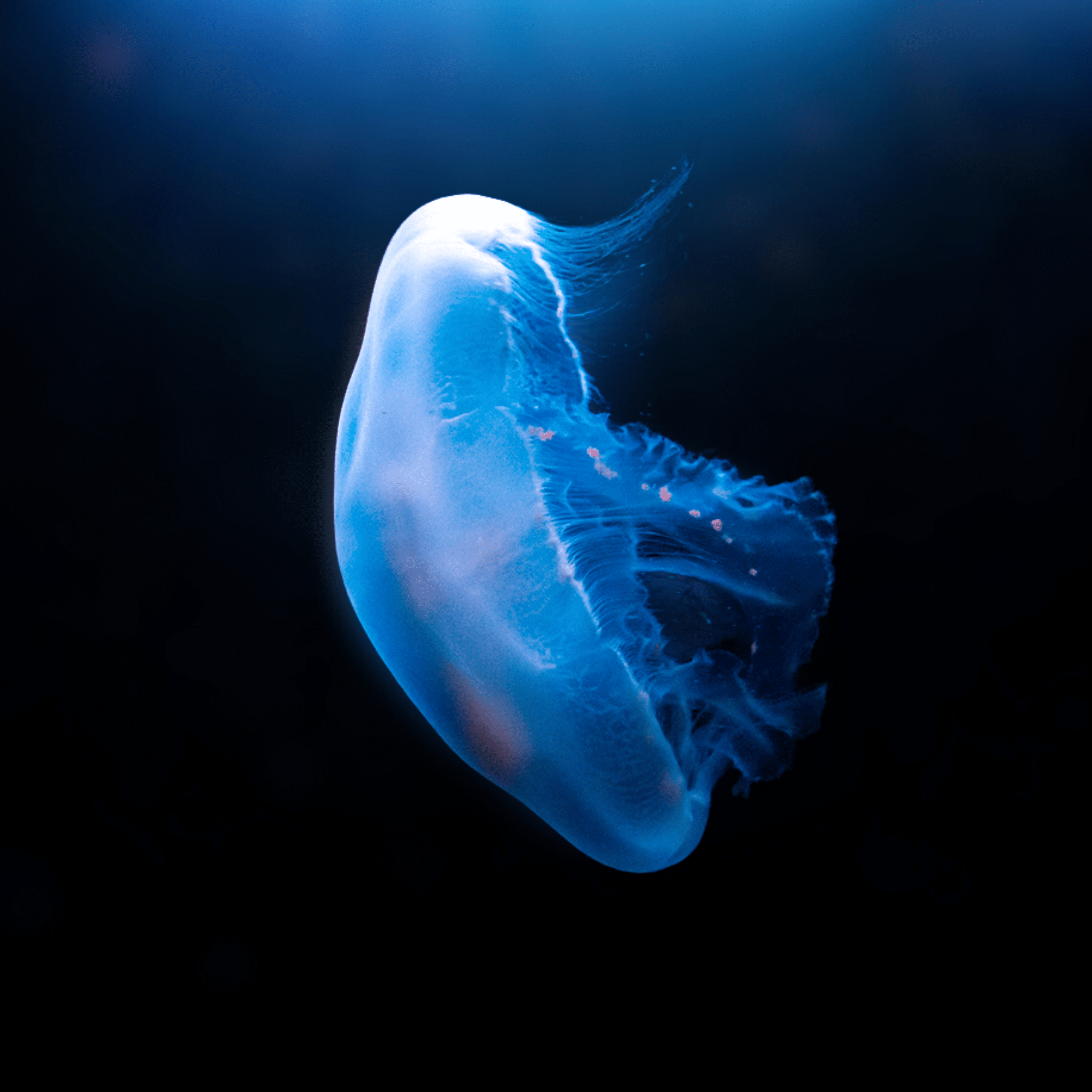
This common jellyfish species is translucent, revealing anatomy inside its bell. With limited swimming ability, moon jellies often drift with the current.
Living Shores
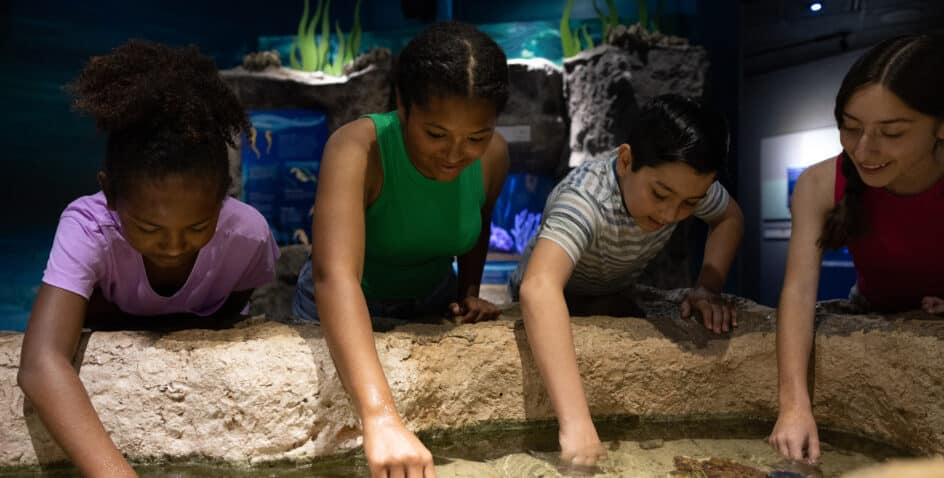
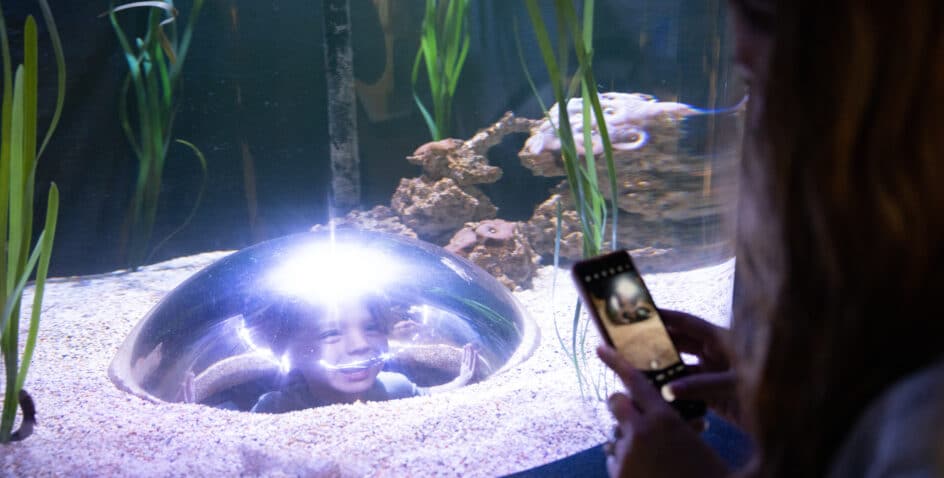
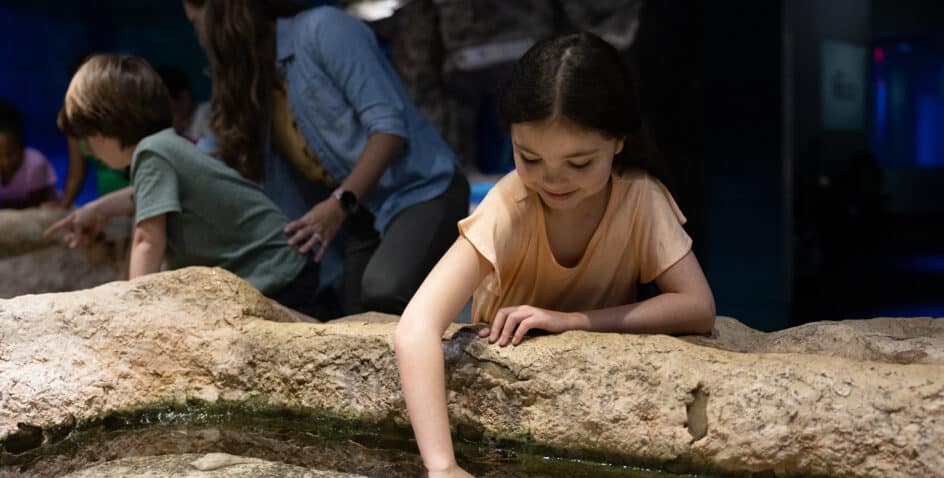
Several touch pools, aquariums, and interactive computer kiosks in Living Shores allow you to discover the small invertebrates found in the shallow waters of the Laguna Madre and Padre Island bays and estuaries.
See the strange and wonderful species that you might find hiding among rocks and tide pools during a day at the beach, including hermit crabs, horseshoe crabs, lightning whelks, and pencil urchins. This exhibit allows for hands-on interactions, giving you the opportunity to reach out and gently touch many of these fascinating species. Learn from our helpful and knowledgeable staff about how these amazing creatures’ characteristics help them survive along the Texas shore. The touch pool is surrounded by even more coastal creatures, including blue crabs, shrimp, and toadfish. You can also find seahorses here, clinging to grasses and corals with their prehensile tails. Anchored to these natural “hitching posts,” these seahorse’s eyes scan their environment for bits of passing food like brine shrimp. Living Shores shows that incredible ocean life doesn’t just exist hundreds of miles out to sea, and reminds us to look everywhere for these creatures and to safeguard their existence.
animals in this exhibit
Continue Reading
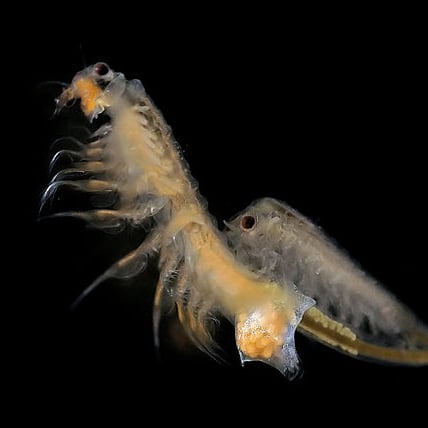
These tiny aquatic crustaceans help supplement the diets of many other species. Found worldwide, they can live in waters of very high salinity.
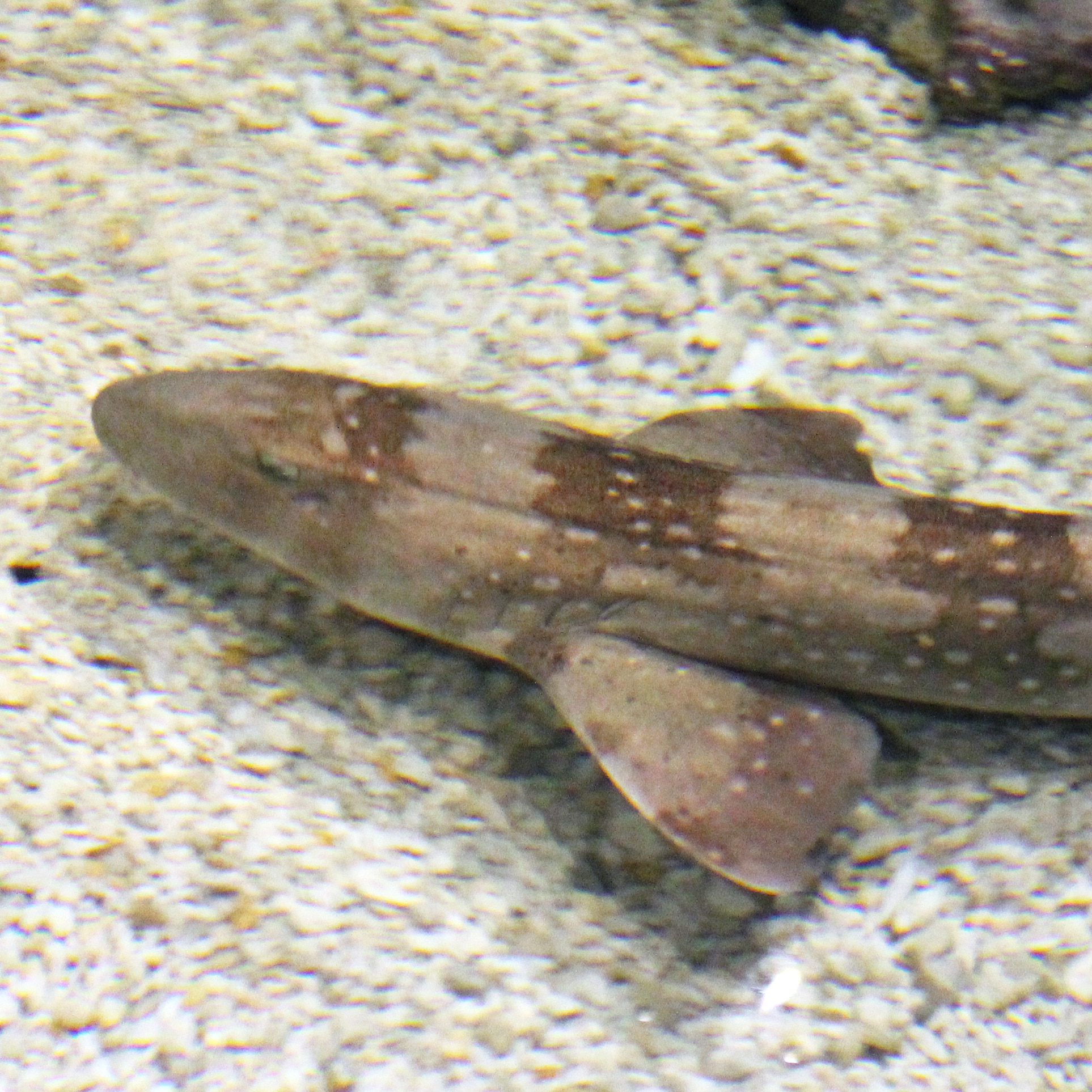
Bamboo sharks are oviparous (they lay eggs). Their egg casings are nicknamed “mermaid’s purses.”
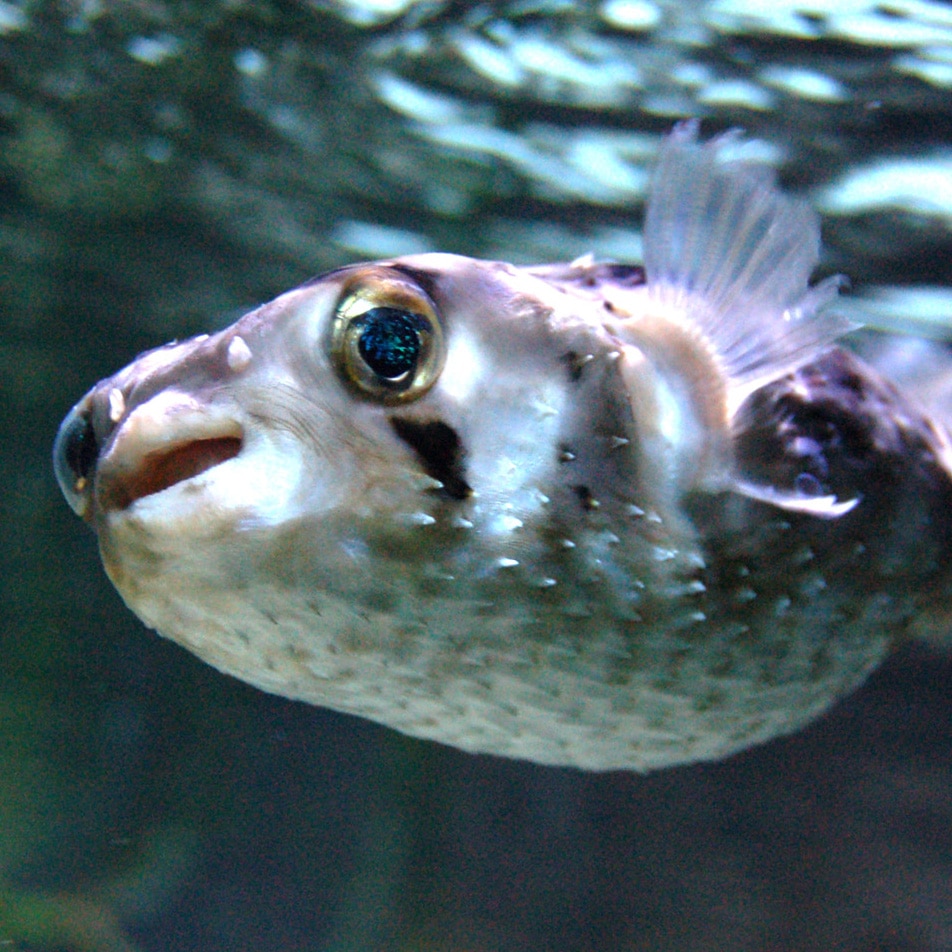
Commonly called a pufferfish, this species can inflate its body by swallowing air or water to deter predators. Sharp spines offer another line of defense.
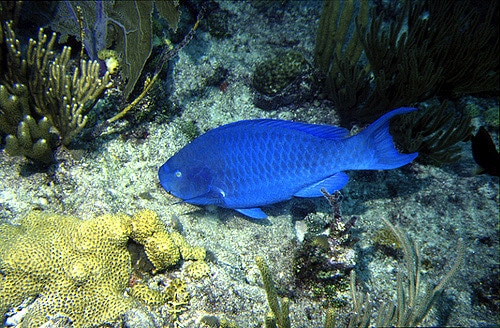
The parrotfish’s large beak is used to scrape algae and other organisms from rocks and hard coral.
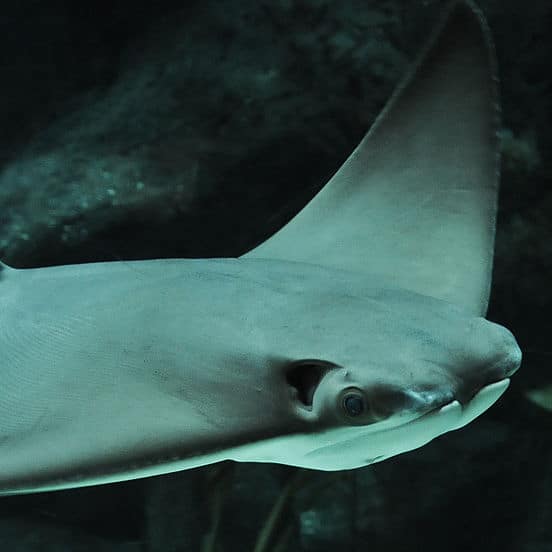
Found throughout the Atlantic and Caribbean, they can grow up to 45 inches in width and weigh 50 pounds or more. When threatened, they can use a barbed tail with toxin for defense.


