
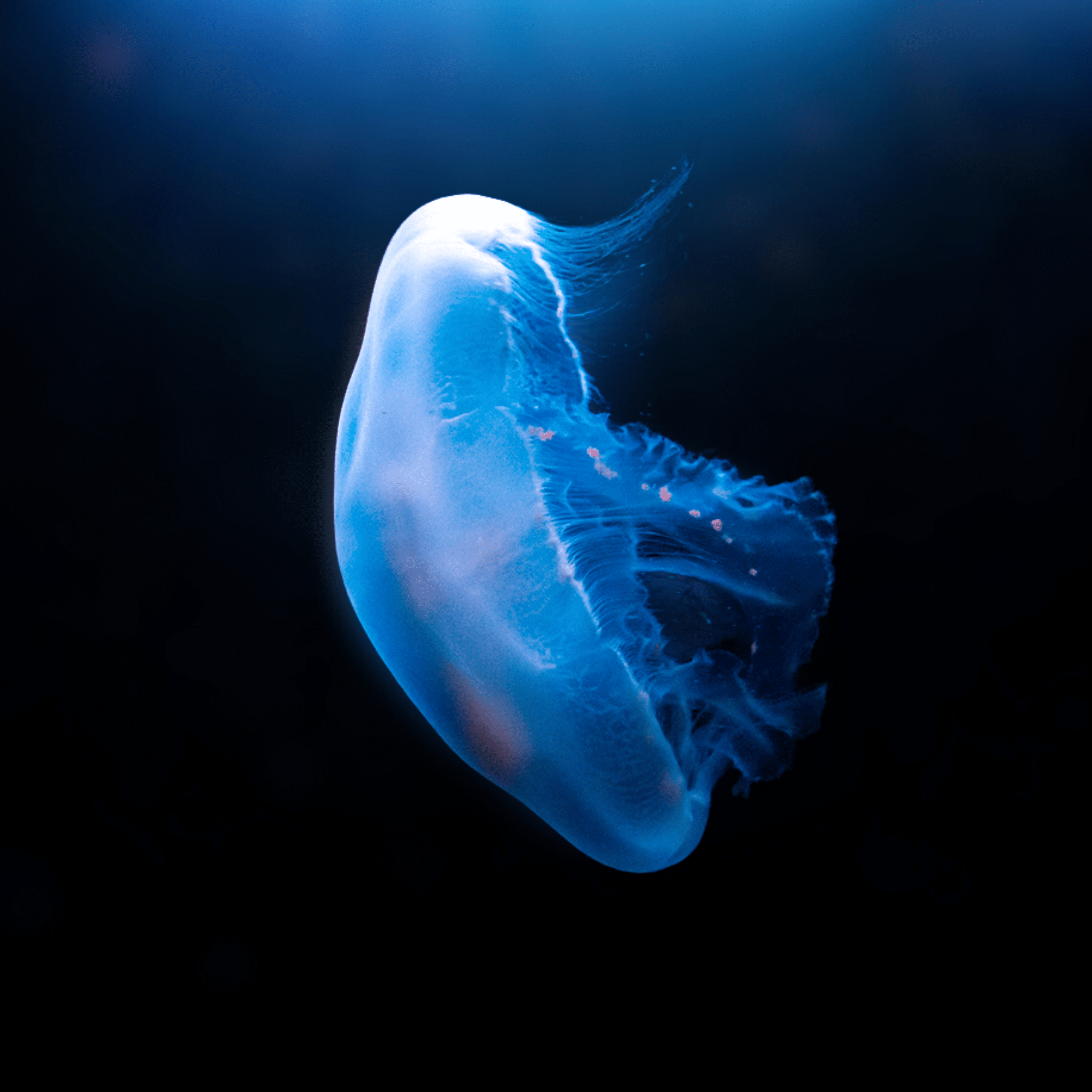
This common jellyfish species is translucent, revealing anatomy inside its bell. With limited swimming ability, moon jellies often drift with the current.
Islands of Steel
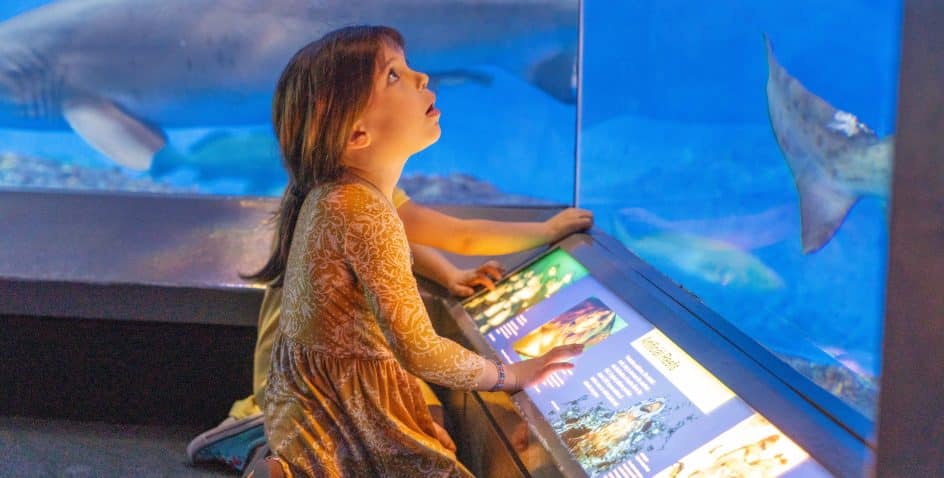
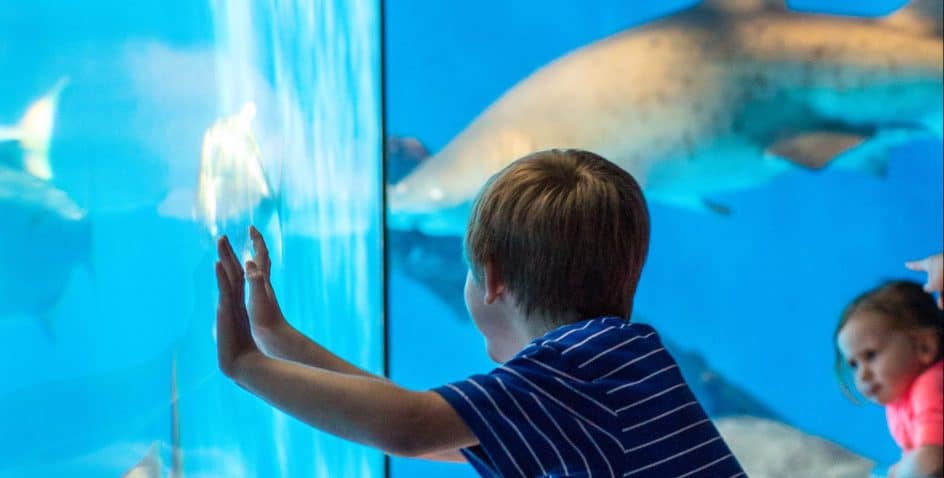
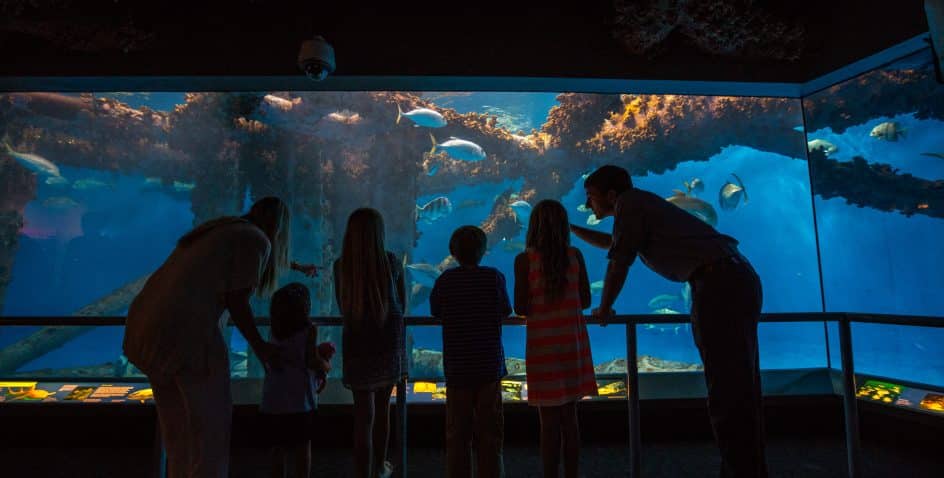
The Gulf’s largest indoor exhibit gives a breathtaking view of the underwater habitat formed around a decommissioned oil platform.
This 125,000-gallon exhibit contains a rich variety of marine species, including two nurse sharks and a collection of other fish. Tiki, a loggerhead sea turtle who lost most of her flippers after being entangled in a fishing line, also swims among these barnacle-covered steel pylons.
In the Gulf, the underwater legs of oil rig platforms provide a hard surface for barnacles, sponges, and oysters to settle on and grow. What starts as cold bare steel soon blossoms with marine life, attracting sea urchins, crabs, snails, and others seeking food and shelter from predators and the current. Sharks, barracudas, groupers, jackfish, and other large species also turn up, forming a small underwater ecosystem. These man-made reefs are also popular with fishermen and SCUBA divers for their diversity and quantity of life.
While these platforms were once dismantled after oil and gas companies were finished with them, they are now preserved under the Rigs to Reefs program, preserving the habitat that has formed underneath. It’s estimated these rigs can provide about 4,000 square feet for marine life to live on.
This exhibit is a reminder of not only how oil platforms can provide a valuable habitat, but why we need to harvest the ocean’s resources responsibly to protect marine life.
animals in this exhibit
Continue Reading
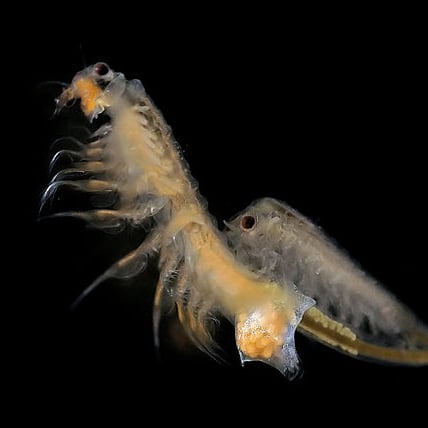
These tiny aquatic crustaceans help supplement the diets of many other species. Found worldwide, they can live in waters of very high salinity.
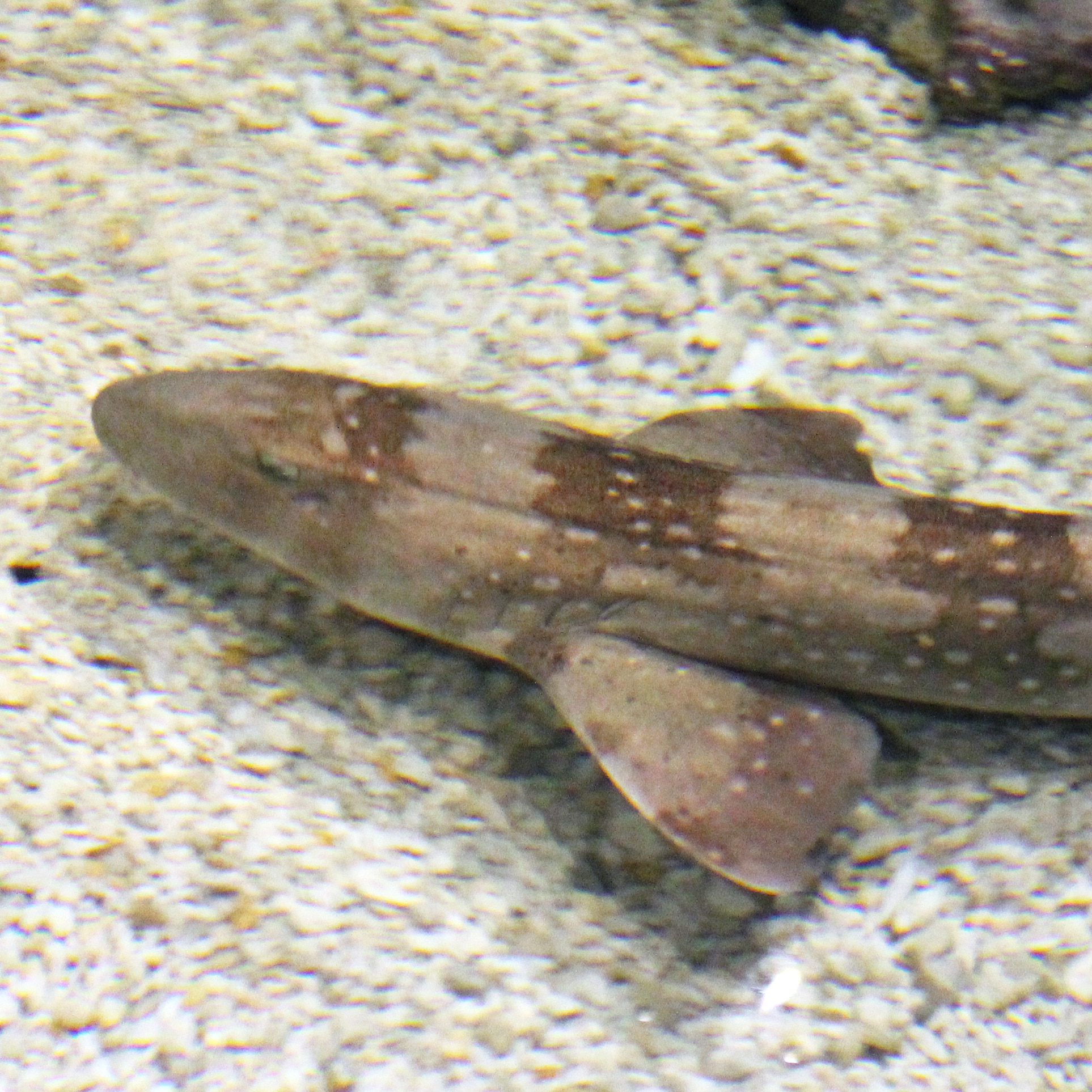
Bamboo sharks are oviparous (they lay eggs). Their egg casings are nicknamed “mermaid’s purses.”
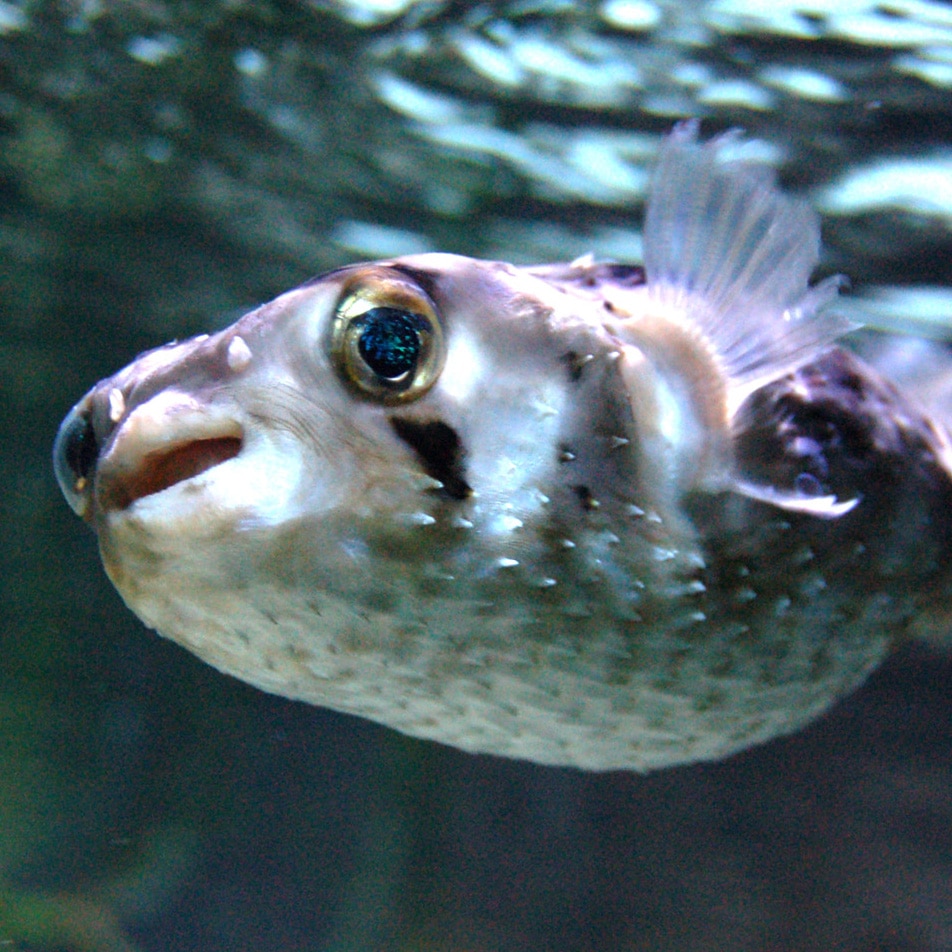
Commonly called a pufferfish, this species can inflate its body by swallowing air or water to deter predators. Sharp spines offer another line of defense.
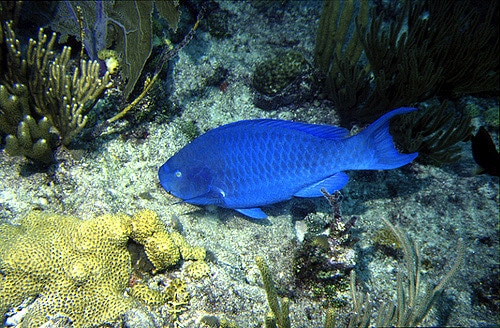
The parrotfish’s large beak is used to scrape algae and other organisms from rocks and hard coral.
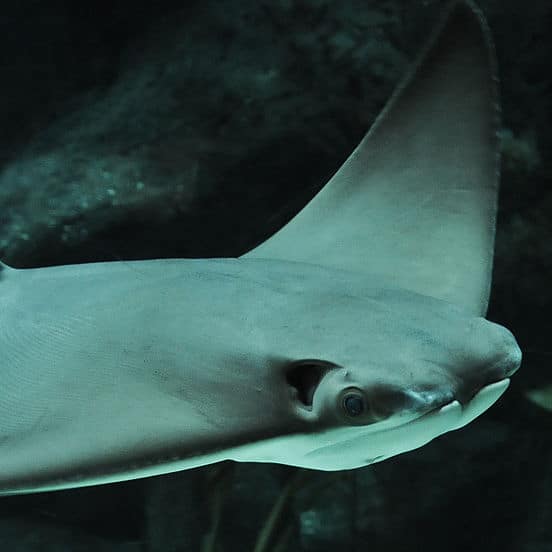
Found throughout the Atlantic and Caribbean, they can grow up to 45 inches in width and weigh 50 pounds or more. When threatened, they can use a barbed tail with toxin for defense.


