
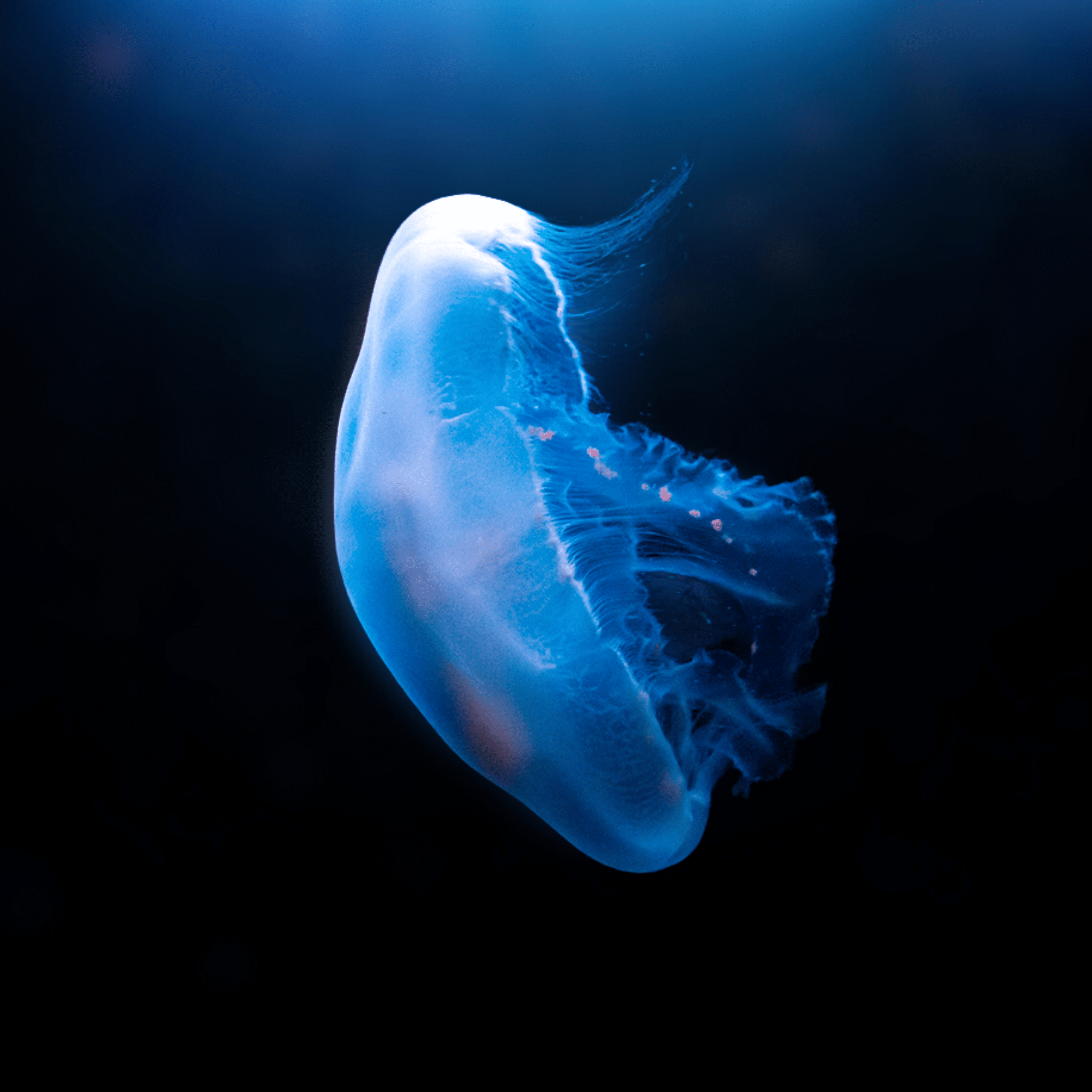
This common jellyfish species is translucent, revealing anatomy inside its bell. With limited swimming ability, moon jellies often drift with the current.
H-E-B Caribbean Sea
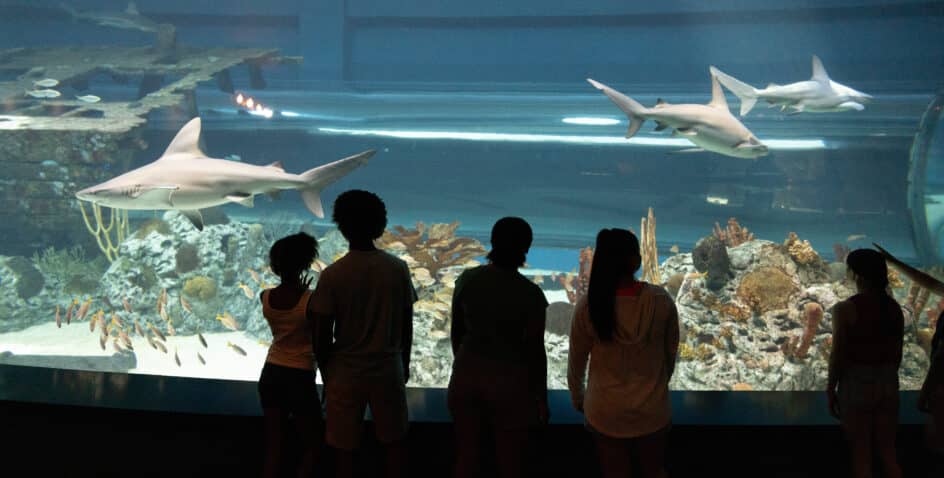
The H-E-B Caribbean Sea exhibit combines a thrilling look at the ocean’s most infamous predators with the experience of diving a real-life Caribbean shipwreck, all without having to actually get wet.
An overlook in the jungle level gives guests their first look at the reef sharks swimming below the surface, a sight that’s terrified and mystified ocean explorers for generations.
Gather your courage and dive below the waves to get a closer look, but keep your eyes open and your wits about you, for you’re now in the home territory of the reef shark. A 68 foot-long acrylic window- the longest in North America – provides a clear view of a massive Spanish galleon shipwreck, a remnant of the Caribbean’s history as a trade route. Now, reef sharks and other aquatic species make their home among the ship’s twisted wreckage. The ship’s broken stern frames the entrance to an acrylic tunnel crossing through the exhibit. Enter, if you dare, for a heart-pounding view of reef sharks from just inches away. Look in every direction to find barracudas lurking in the shadows, silver crevalle jacks darting by, and a variety of other creatures hiding among the sunken remains.


animals in this exhibit
Continue Reading
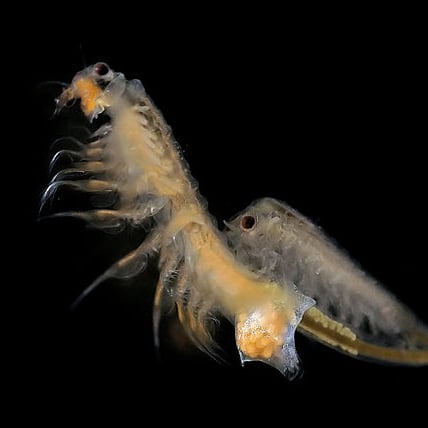
These tiny aquatic crustaceans help supplement the diets of many other species. Found worldwide, they can live in waters of very high salinity.
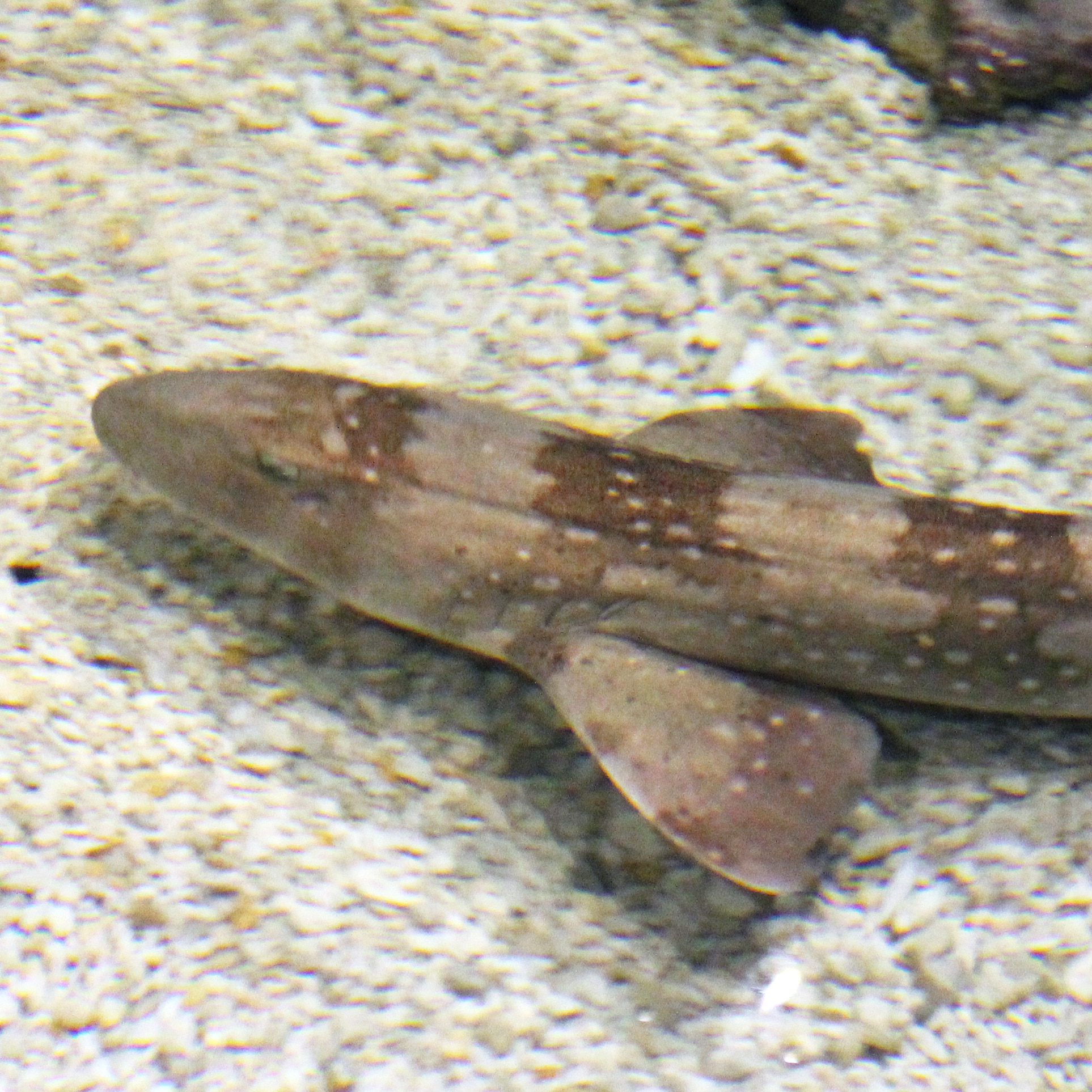
Bamboo sharks are oviparous (they lay eggs). Their egg casings are nicknamed “mermaid’s purses.”
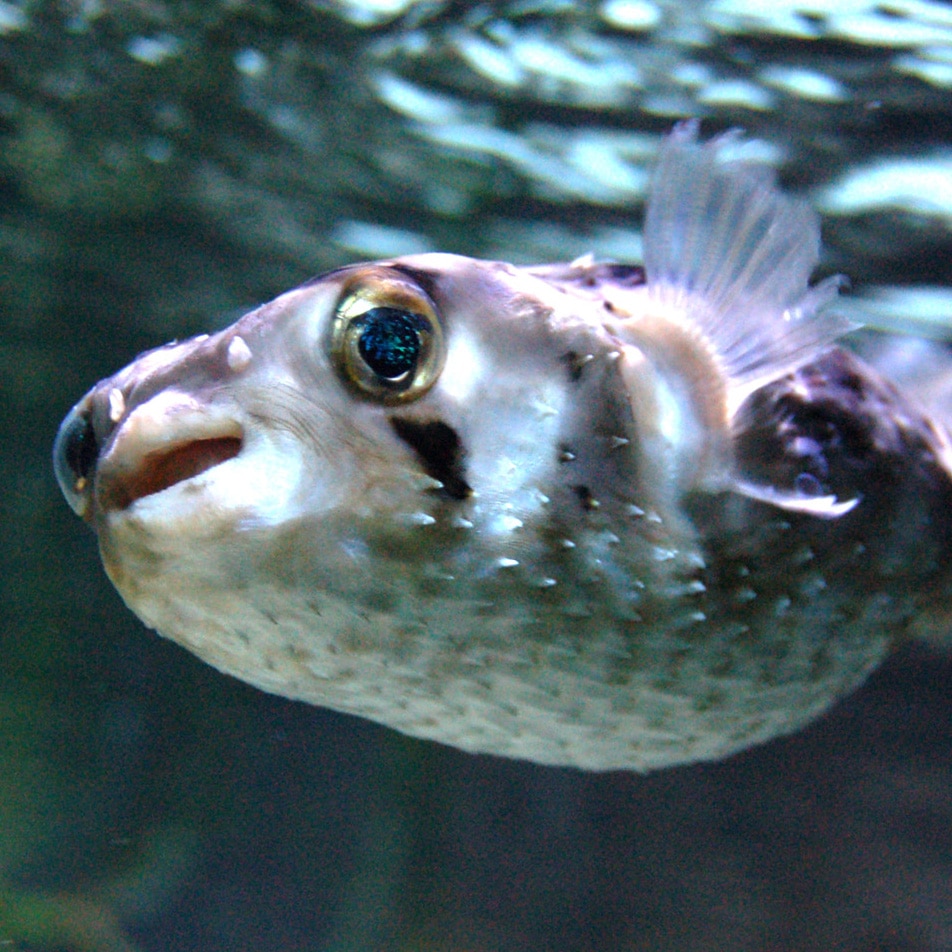
Commonly called a pufferfish, this species can inflate its body by swallowing air or water to deter predators. Sharp spines offer another line of defense.
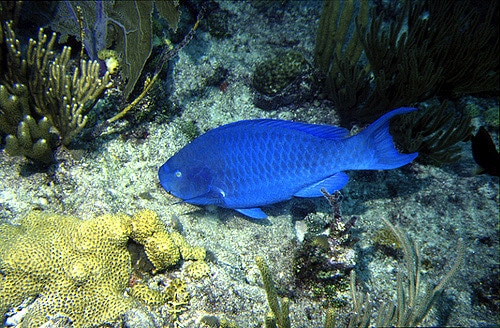
The parrotfish’s large beak is used to scrape algae and other organisms from rocks and hard coral.
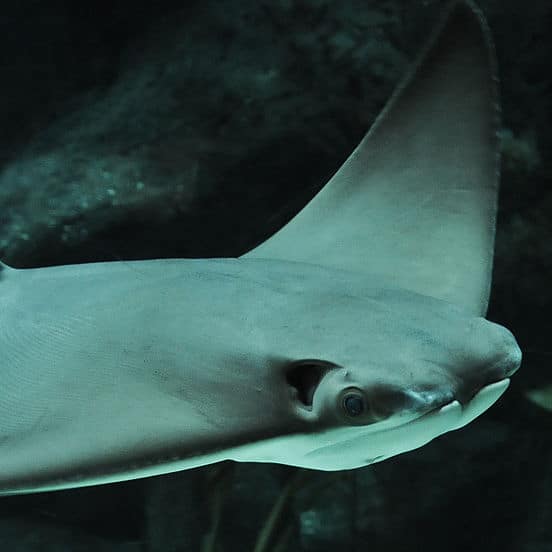
Found throughout the Atlantic and Caribbean, they can grow up to 45 inches in width and weigh 50 pounds or more. When threatened, they can use a barbed tail with toxin for defense.


