
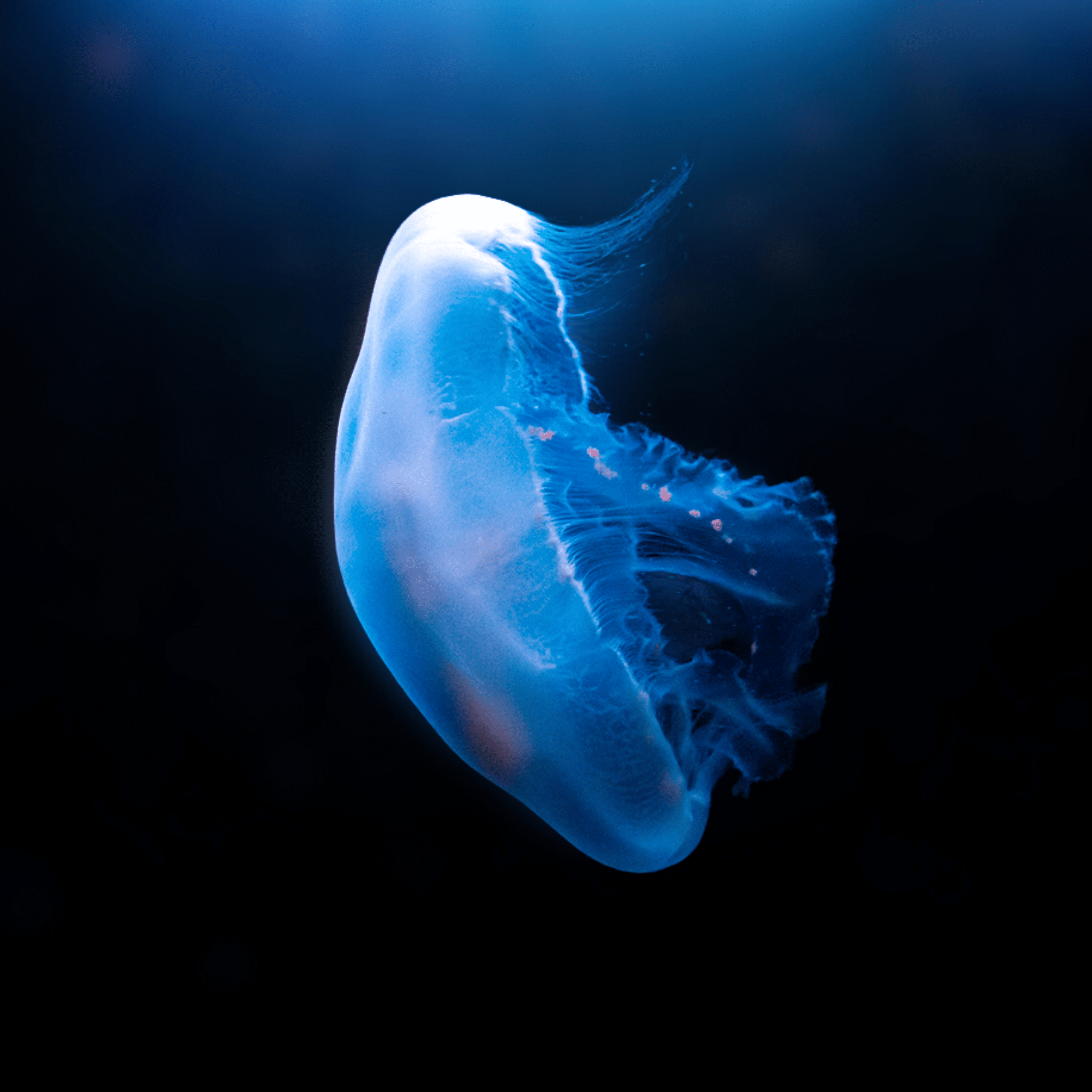
This common jellyfish species is translucent, revealing anatomy inside its bell. With limited swimming ability, moon jellies often drift with the current.
Dolphin Bay
Get an up-close and personal look at our Atlantic bottlenose dolphins from two different locations in this 400,000-gallon, 12 foot-deep saltwater pool.
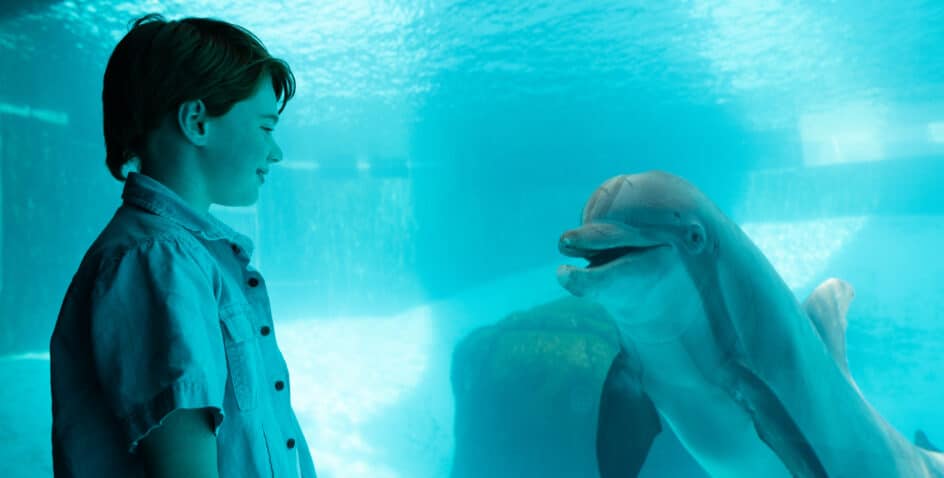
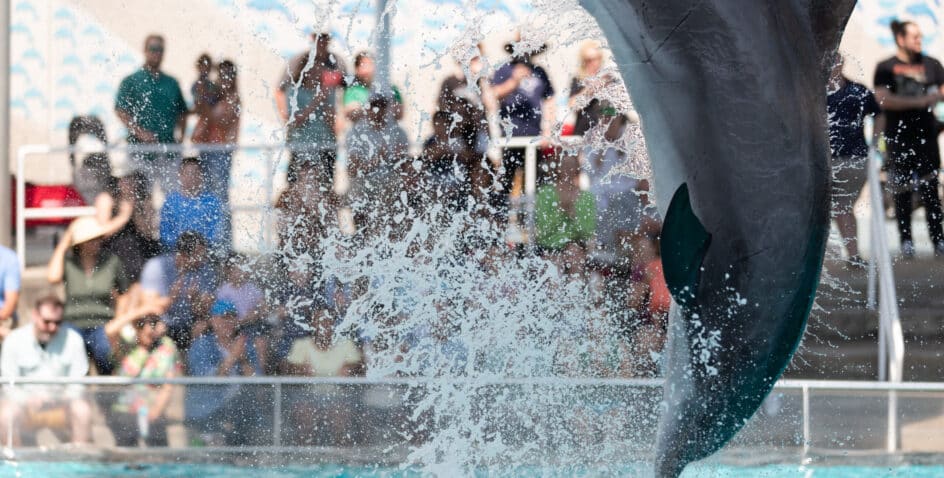
At our top-level, witness the airborne acrobatics from Shadow, Liko, Merlin, and Schooner during our DOLPHINS! presentation. Below, in the Underwater Observation Area, enjoy a tranquil view of these marine mammals from a 70-foot acrylic window.
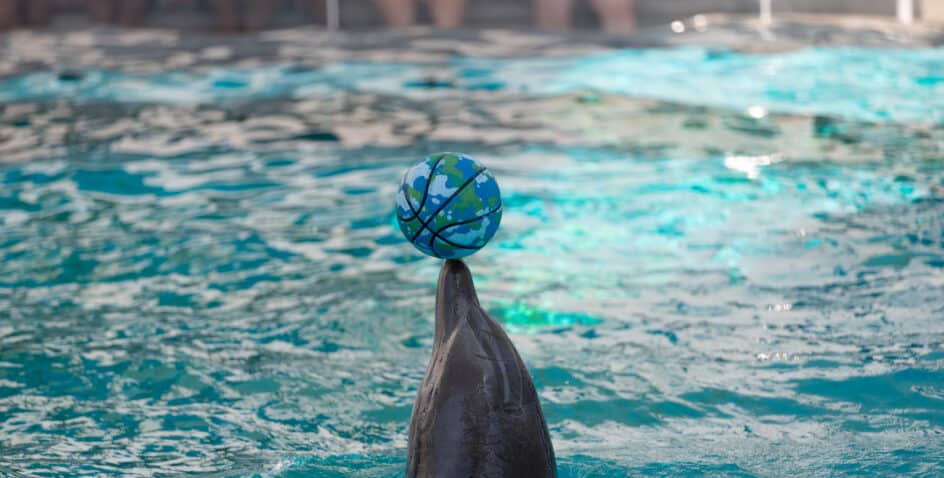
All of our dolphins were born in a protective environment and are unable to be released into the wild. Learn how we go the extra mile every day to give these dolphins the best possible care. Dive into the details of our enrichment program, where we use the environment and Environmental Enrichment Devices (EEDs), many custom-designed by our Dolphin Bay trainers, to encourage the dolphin’s natural behaviors and improve their social, cognitive, and psychological well-being.
These dolphins are amazing ambassadors to their cousins in the wild, helping us raise awareness of the threats faced by marine mammals in the Gulf and beyond. In Dolphin Bay, you can learn how fishing line entanglement, pollution, disease, and other harmful human activity endangers dolphins, and what we all can do to help them survive.
Meet Our Dolphins
Shadow
Shadow was born July 23, 1992, and is the oldest dolphin in Dolphin Bay. He is easily recognizable by the small hole in his dorsal fin, a feature he was born with.
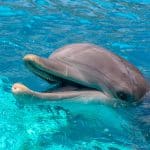
Liko
Liko is our second youngest dolphin, born on June 26, 2007. He is recognizable from his distinct countershading, which means he is dark on the dorsal side; light on the ventral side.
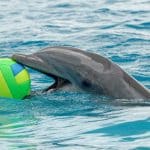
Schooner
Schooner was born on March 7, 2007. He can be recognized by his light coloring, and his trainers consider him perhaps the smartest dolphin in Dolphin Bay.
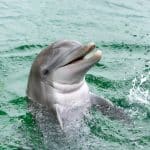
Merlin
Merlin is our youngest dolphin, born on October 16, 2013, and he can be recognized by his pink-colored belly.
animals in this exhibit
Continue Reading
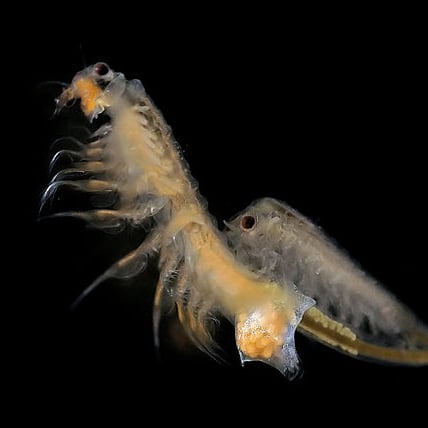
These tiny aquatic crustaceans help supplement the diets of many other species. Found worldwide, they can live in waters of very high salinity.
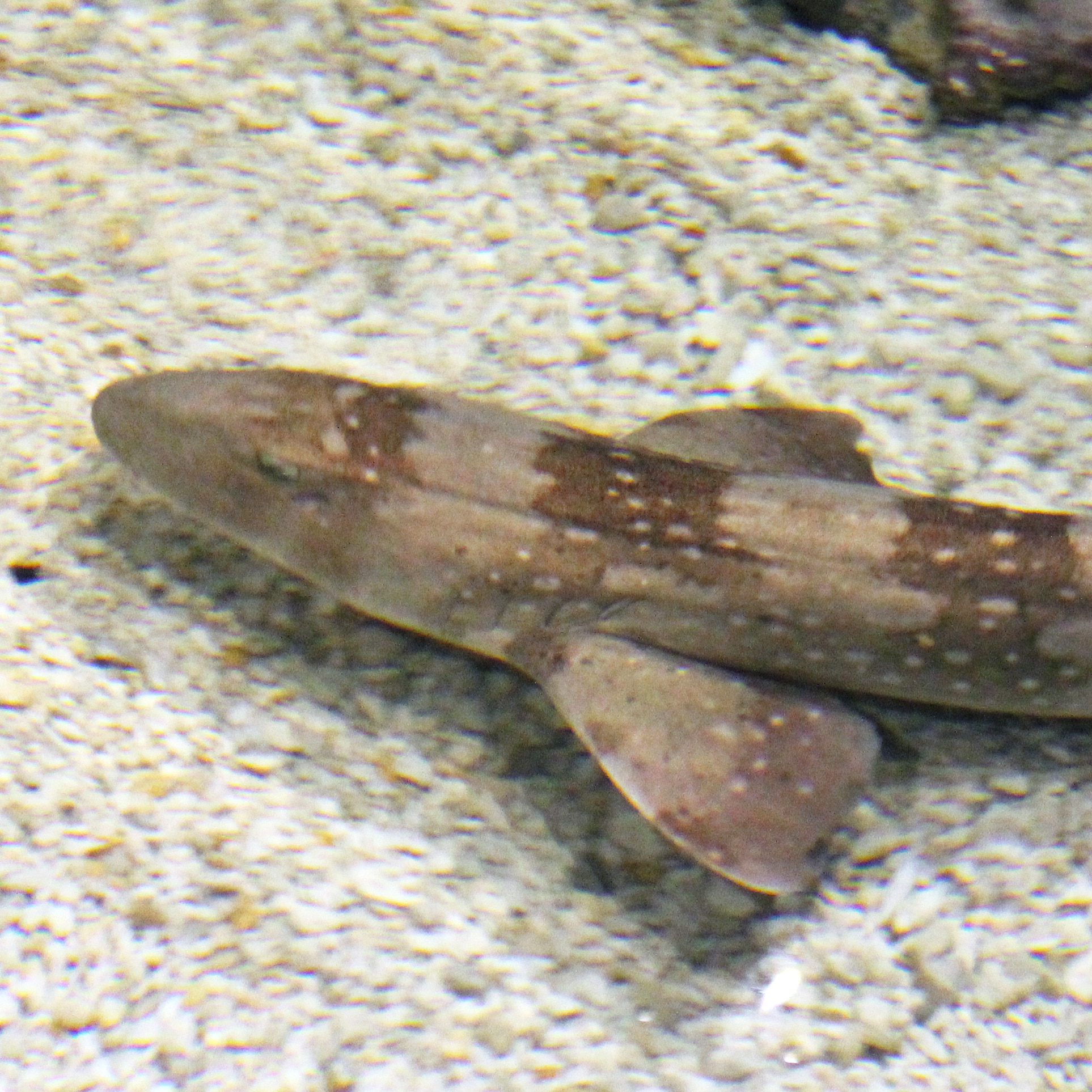
Bamboo sharks are oviparous (they lay eggs). Their egg casings are nicknamed “mermaid’s purses.”
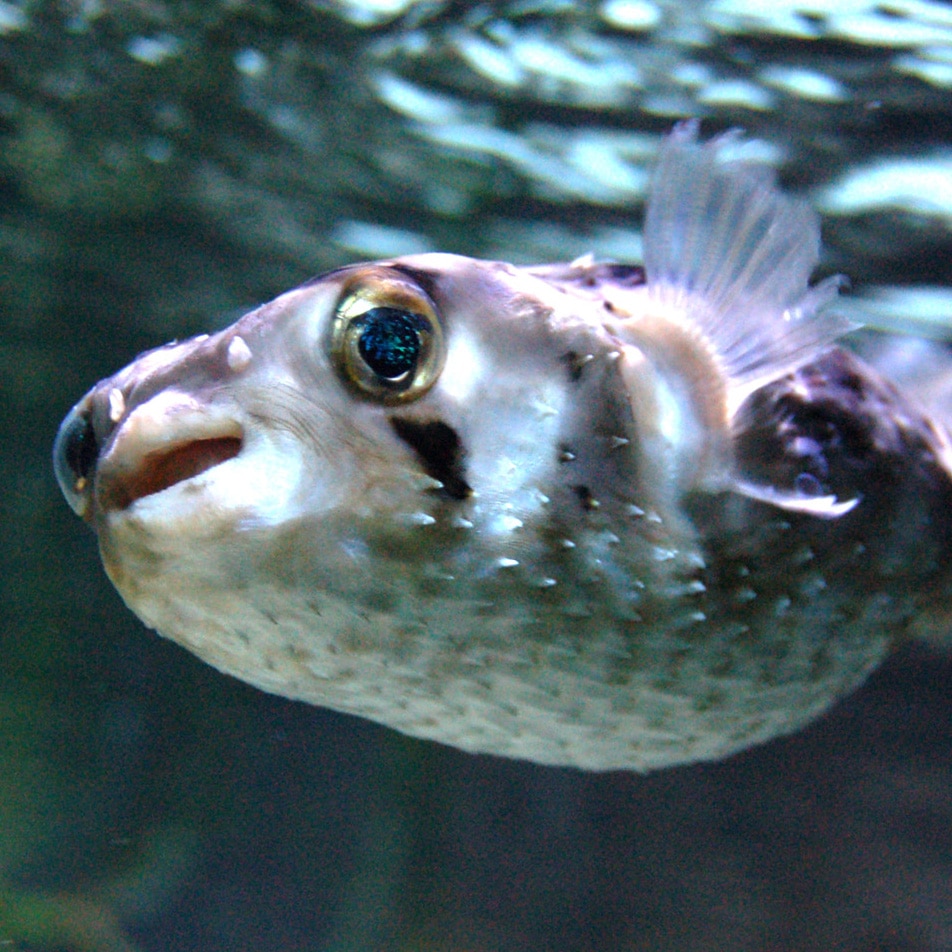
Commonly called a pufferfish, this species can inflate its body by swallowing air or water to deter predators. Sharp spines offer another line of defense.
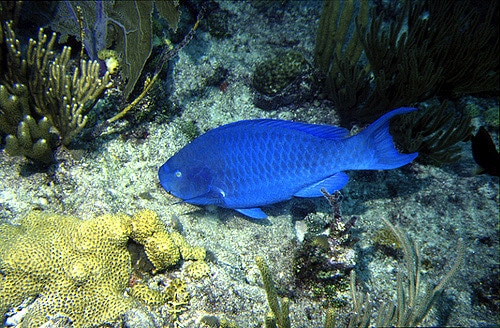
The parrotfish’s large beak is used to scrape algae and other organisms from rocks and hard coral.
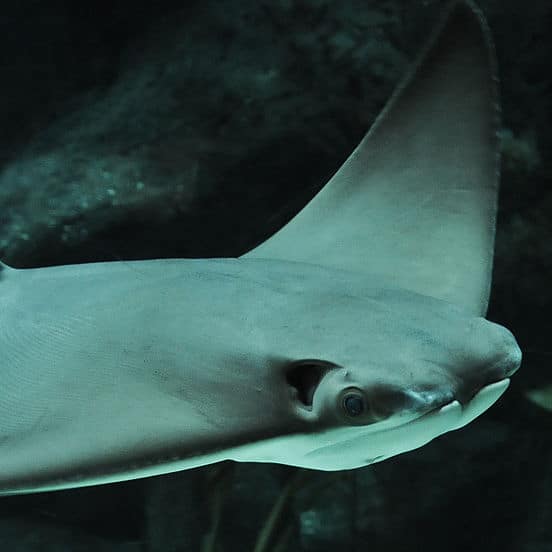
Found throughout the Atlantic and Caribbean, they can grow up to 45 inches in width and weigh 50 pounds or more. When threatened, they can use a barbed tail with toxin for defense.


