
We’re KultureCity Certified Sensory Inclusive!
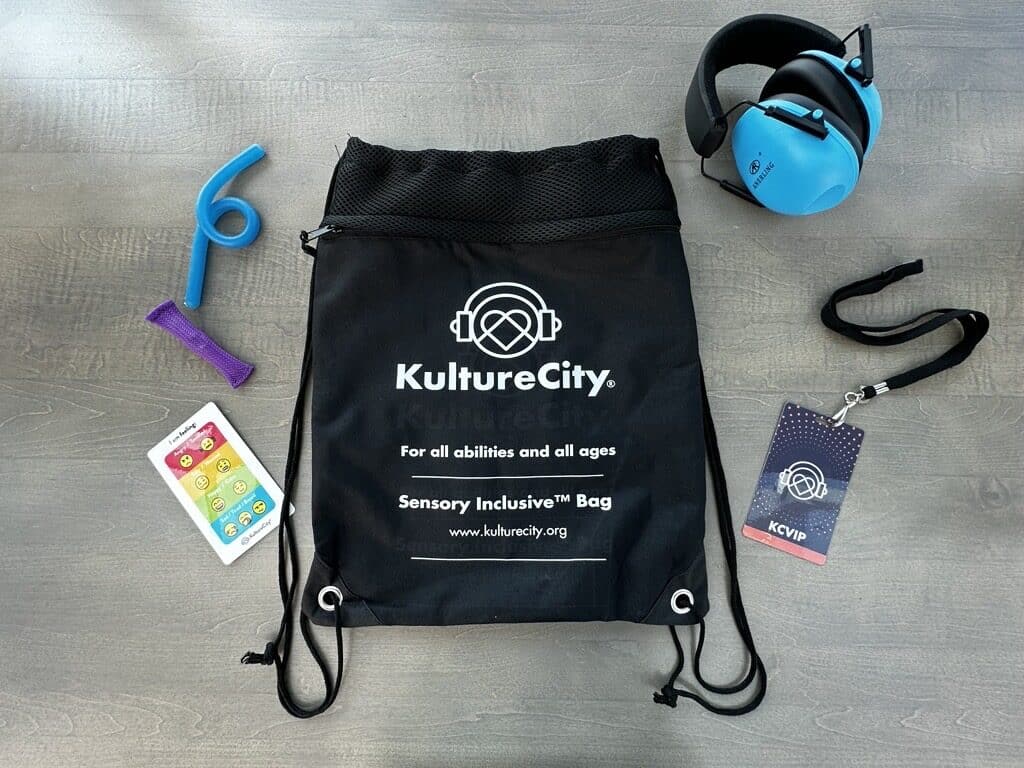
Sensory issues can make new experiences challenging. That’s why we are proud to be Kulture City Certified. Our Team Members are trained to help guests with sensory issues by offering resources including sensory bags. Sensory bags include special KCVIP badges, fidget tools, noise-canceling headphones and other free resources at our Guest Services Booth.
KultureCity Certification
Texas State Aquarium has partnered with KultureCity to improve our ability to assist and accommodate guests with sensory needs. Our objective is to provide an inclusive and seamless experience for all guests, for all events, including those with sensory needs. We strive to raise awareness of the needs and challenges faced by individuals with sensory processing disorders by supplying our Team Members with continuous training and by offering the resources and accommodations below to our guests.
Sensory Bags
Sensory bags containing special KCVIP badges, fidget tools, noise-canceling headphones and other resources are available for checkout (at no cost by leaving an ID) at our Guest Services Booth located at the front Ticket Booth.
Social Story and KultureCity All-Inclusive App
Download the KultureCity All-Inclusive App at the links below to help you further with your visit to the Texas State Aquarium.
Wheel the World Accessibility Verified
The Texas State Aquarium has been reviewed by Wheel the World, a global platform dedicated to helping travelers with disabilities explore destinations with confidence. This review highlights our accessibility features, including step-free access, accessible restrooms and family facilities, visual and hearing-friendly accommodations, and easy-to-navigate parking and pathways. By providing accurate, detailed information, this verification ensures every guest can enjoy the Aquarium without barriers, creating a welcoming and inclusive experience for all visitors.

What is the sensory inclusion initiative?
The sensory inclusion initiative is designed to help arenas, zoos, aquariums, museums, restaurants and other places of public attraction better entertain their guests that might have sensory needs/ sensory processing issues.
A sensory need/sensory processing issues is one where the guest affected by this finds noises, smells, lights and even crowds not only overwhelming from the sensory perspective but also sometimes physically painful. Because of this, these guests often find themselves isolated from the community.
Sensory-friendly is one where the location has had all the potentially noxious stimuli removed. Because this is sometimes a difficult task, accessibility is therefore limited to the day and location of the sensory-friendly event. Sensory inclusion liberates that. It creates daily accessibility with training, tools and other modifications that although do not remove the noxious stimuli, help the guest cope with this potential sensory overstimulation better thus ensuring an accepting and inclusive experience for all.
These could be guests with PTSD, autism, early onset dementia, anxiety, stroke patients just to name a few.
KultureCity helps by providing the necessary training to better entertain guests with these needs. They also provide signage, weighted lap pads, sensory bags that contain noise cancelling headphones, fidgets tools and much more in order to truly create a welcoming experience for these guests.
It helps all guests feel welcome and included in our locations. It also helps us reach a huge portion of our community that has long been isolated.
1 in 5. With 16% having visible disabilities and the remanding 84% with invisible disabilities like PTSD, autism, dementia, strokes etc. The common denominator for these groups are sensory issues.


